
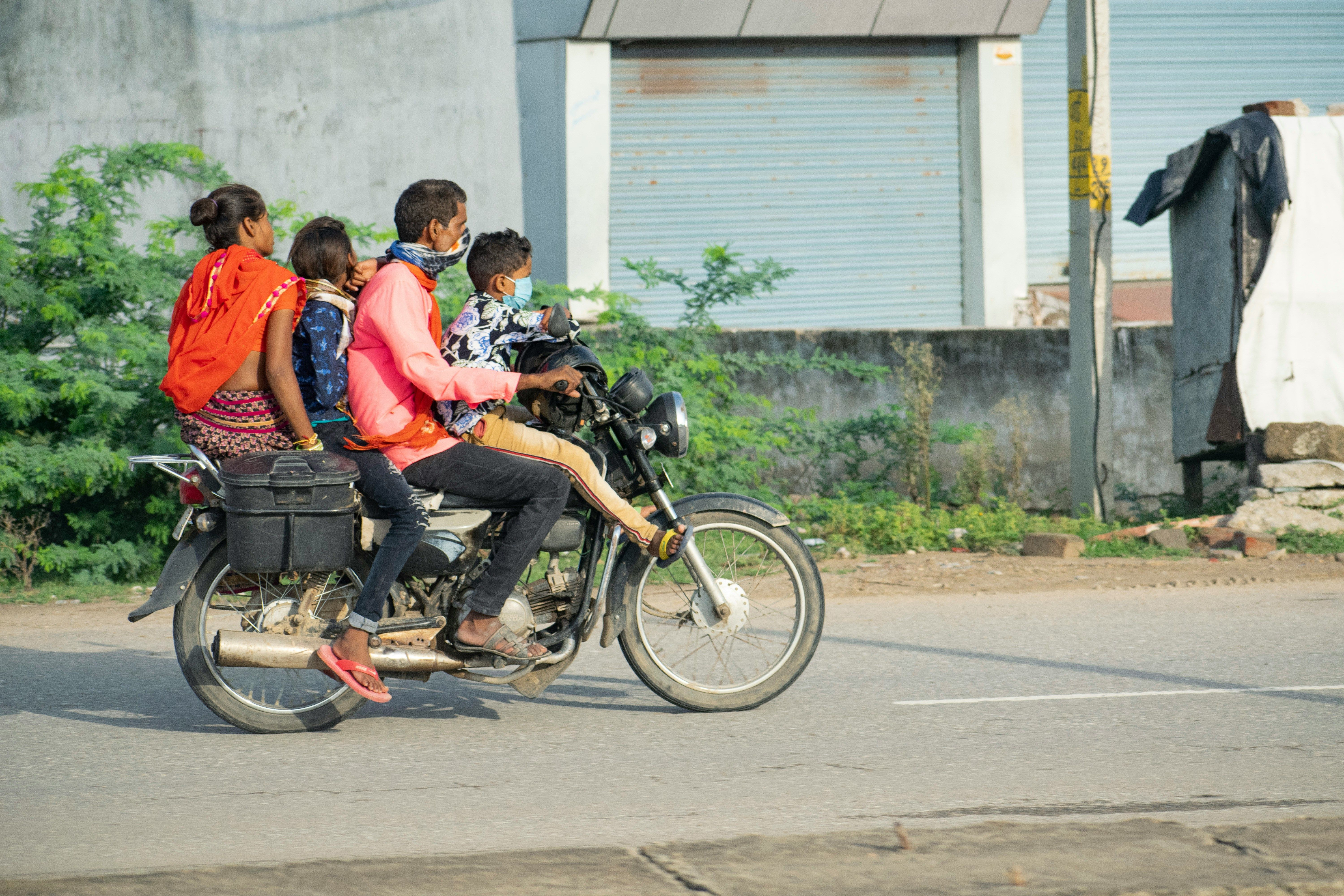

New Delhi: India may be the world’s fastest-growing major economy, but a growing body of data suggests that many urban households are not feeling the full force of that expansion in their personal finances.
Real GDP growth accelerated to 8.2% in the second quarter of FY2025-26, up from 7.8% in the previous quarter, reinforcing India’s position as the standout performer among large economies. Corporate earnings are strong, tax collections are buoyant, and capital expenditure remains elevated. Yet multiple surveys and central bank data show a parallel trend unfolding more quietly: urban household savings are thinning, debt is rising, and consumption is becoming increasingly polarized.
The most telling signal comes from household balance sheets. According to the Reserve Bank of India (RBI), net household financial savings — the amount left after accounting for borrowings — fell to multi-decade lows in the years following the pandemic. After spiking above 11% of GDP in 2020-21 during lockdown-driven precautionary saving, net financial savings slid sharply and only recently recovered to around 6.0% of GDP by mid-2025. That remains well below the pre-pandemic norm of 7-8% that long supported India’s consumption-driven growth model.
This decline is not simply a normalization story. While pandemic savings were unusually high, the current levels reflect deeper structural pressures. RBI data shows that household liabilities have grown at roughly twice the pace of asset accumulation since 2020. In FY2024-25, households added ₹35.6 lakh crore in financial assets, but liabilities surged to more than double their 2019 levels, marking a 102% increase compared to the pre-pandemic baseline. Household debt as a share of GDP has crossed 40%, a steady climb that signals rising leverage even as economic growth accelerates.
Retail credit growth has been particularly strong. Housing loans continue to dominate the retail portfolio, reflecting urban aspirations toward property ownership. However, unsecured credit — including personal loans and credit cards — expanded at nearly twice the pace of overall credit growth before regulatory tightening. The RBI has repeatedly flagged the rapid growth of unsecured lending in its Financial Stability Reports, warning that while current stress levels remain manageable, the speed of expansion warrants caution.
For urban households, borrowing increasingly bridges the gap between income growth and rising costs. While headline inflation moderated to 1.33% in December 2025, essential services tell a different story. Combined health inflation stood at 3.43% and education inflation at 3.32% in late 2025, according to Ministry of Statistics and Programme Implementation data. These are core pillars of middle-class mobility and security. For families earning between ₹4.5 lakh and ₹5 lakh annually in major metros, such expenses absorb a growing share of disposable income. When savings buffers are thin, credit becomes the default coping mechanism.
The consumption data underscores this squeeze. The latest Household Consumption Expenditure Survey shows that urban spending has increased in nominal terms compared to pre-pandemic levels. However, a larger proportion of that spending now goes toward essentials. Food inflation, particularly in vegetables and pulses, has remained volatile over the past two years, periodically straining household budgets. Real wage growth, after adjusting for inflation, has been modest. Periodic Labour Force Survey data shows unemployment falling to 4.8% in late 2025, but employment quality remains uneven, with significant reliance on self-employment and informal contracts.
This disconnect between macro growth and micro security is increasingly visible in consumption patterns. Corporate earnings reports show robust growth in premium categories such as luxury housing, high-end automobiles, and upscale consumer electronics. At the same time, demand in mass-market segments has been uneven. Fast-moving consumer goods companies catering to lower and middle-income segments have reported patchy volume growth compared to premium brands.
Consumption Polarization
The divergence points toward consumption polarization. Households at the top end of the income spectrum, buoyed by asset price gains and equity market exposure, continue to spend confidently. Meanwhile, the lower middle class tightens discretionary outlays, prioritizing essentials and servicing debt. The stock market’s strong performance has lifted wealth for investors, but financial asset ownership remains concentrated. While mutual fund investments have surged 655% between 2019 and 2025, accounting for 13.1% of fresh household financial assets by early 2025, participation is uneven. Many urban families still rely primarily on bank deposits, which have often delivered limited real returns during periods of elevated inflation.
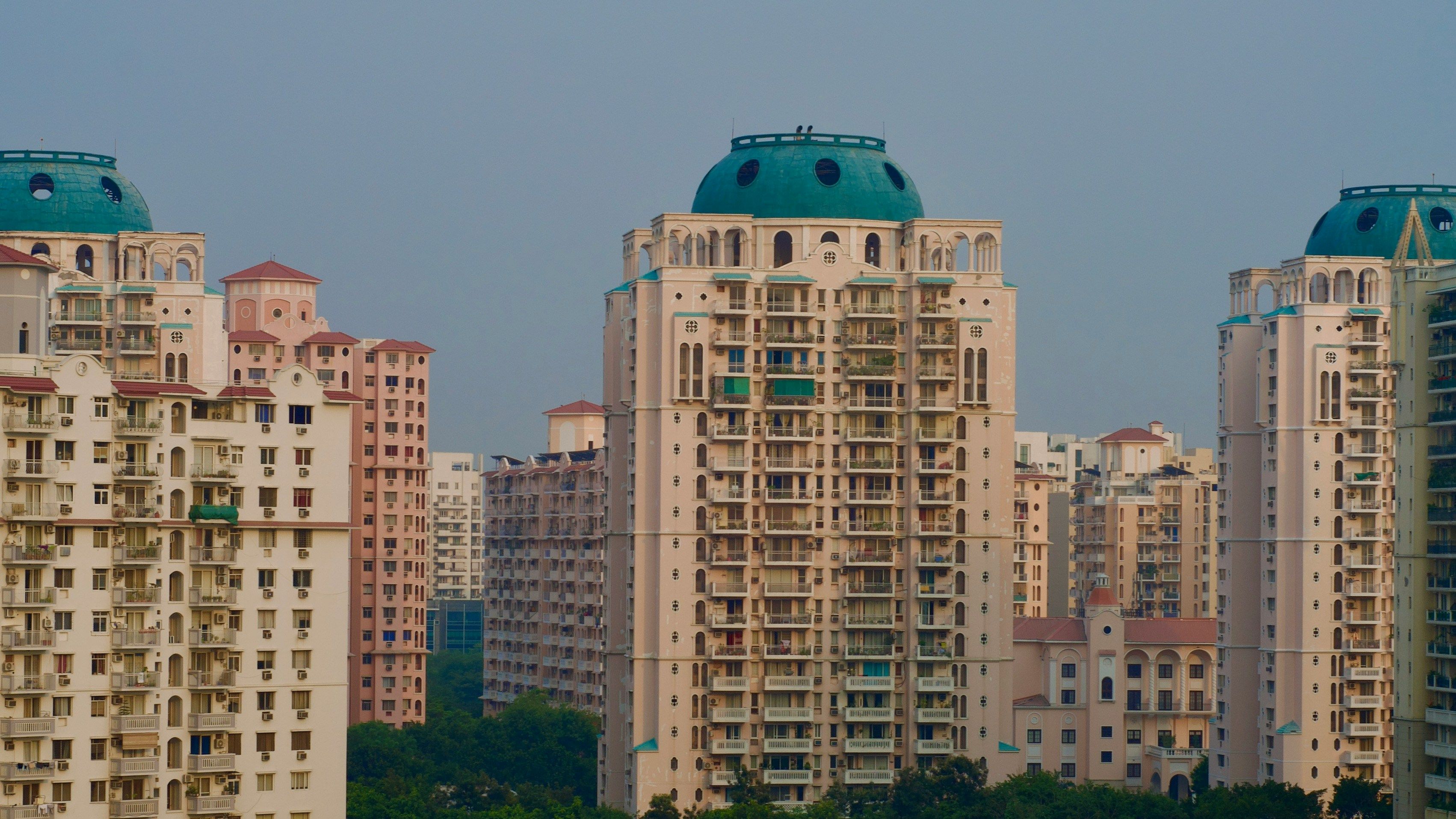
Corporate earnings reports show robust growth in premium categories such as luxury housing, high-end automobiles, and upscale consumer electronics. At the same time, demand in mass-market segments has been uneven. (Photo by Hitesh Kapoor on Unsplash)
The transformation in savings behaviour is itself a response to pressure. With deposit rates frequently struggling to outpace inflation, households have shifted toward market-linked instruments in search of higher returns. Systematic investment plan inflows have reached record levels, reflecting both rising financial awareness and the need to protect purchasing power. Yet greater exposure to market volatility also introduces new risks for households with limited cushions.
Employment trends further complicate the picture. While headline unemployment has declined, the composition of jobs raises questions about income stability. A significant portion of recent employment growth has come from self-employment and gig work. These roles may offer flexibility, but they often lack predictable income streams and social security protections. For younger urban earners entering the middle class, income volatility combined with high housing costs and education expenses can accelerate indebtedness early in their working lives.
The broader macro outlook remains optimistic. The Economic Survey projects growth between 6.8% and 7.2% in FY2026-27. Public investment in infrastructure continues to expand, and formal sector indicators such as tax collections suggest rising reported incomes. If sustained, this momentum could eventually translate into stronger real wage growth.
But the central challenge lies in whether growth will translate into household resilience. Private consumption accounts for nearly 60% of India’s GDP. Its durability depends not only on employment levels but on the strength of household balance sheets. When net savings decline and debt servicing burdens rise, consumption becomes more sensitive to shocks. A spike in interest rates, a health emergency, or a temporary job loss can have outsized effects when buffers are thin.
India’s macro story remains impressive. Yet surveys, central bank data, and corporate earnings patterns collectively indicate that urban households are navigating a tighter financial environment than headline growth suggests. Savings are lower than historical norms, debt is rising steadily, and consumption patterns are splitting along income lines.
The sustainability of the India growth narrative will ultimately depend on narrowing this gap. Stronger real wage growth, moderation in essential service inflation, prudent credit expansion, and broader asset ownership will be key to rebuilding the household cushion. Without these adjustments, India risks a future in which growth remains high on paper, but increasingly concentrated at the top, leaving the urban middle class carrying more leverage and less security than the numbers imply.
(Cover photo by Anurag Gautam on Unsplash)