
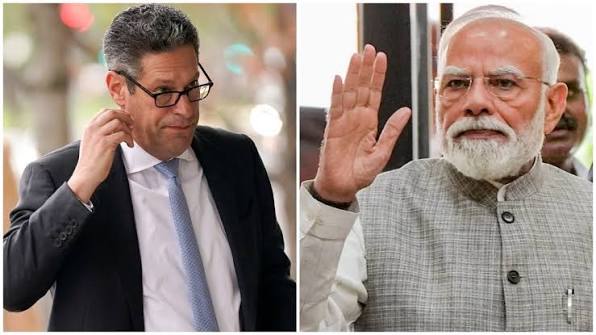
In a significant development for platform governance in India, Meta has issued a formal apology today, August 6, 2026, after a video featuring Prime Minister Narendra Modi was mistakenly blocked on its platforms. The incident, which triggered a swift response from both the Indian government and legislative bodies, has once again brought the technical reliability of social media moderation into the spotlight. According to reports, the tech giant expressed regret to the Indian government for the restriction, describing the takedown as a technical oversight rather than a deliberate policy action.
Technical Errors and the Executive Apology
The controversy reached its peak when Meta CEO Mark Zuckerberg personally addressed the issue. Zuckerberg apologized for "errors in the operating platform" that led to the restriction of the Prime Minister’s content. This executive-level admission suggests that the block was a result of systemic glitches rather than a manual moderation decision.
The apology comes at a time when Meta is facing increased scrutiny over how its algorithms handle high-profile political content. While the specific nature of the video has not been detailed in official reports, The restriction was temporary and has since been rectified. Meta’s leadership has framed the incident as part of a broader set of "operating platform errors" that the company is currently working to resolve.
Legislative Scrutiny and the House Panel
The Indian government’s reaction to the video block has been proactive. A House panel has expressed a strong desire to hear directly from Mark Zuckerberg regarding the incident. This move indicates that the apology alone may not suffice to settle the matter, as lawmakers seek to understand the underlying causes of such "mistaken" restrictions.
Parallel to the legislative interest, high-level meetings were scheduled between Meta officials and the Indian government. These discussions were set to cover a range of critical issues beyond the PM Modi video row, including:
- The proliferation of AI-generated deepfakes.
- The presence of child abuse advertisements (CSAM) on the platform.
- General content moderation failures.
Broader Context: Deepfakes and Platform Integrity
The "PM video row" is not an isolated event but part of a larger conversation regarding platform integrity in India. Zuckerberg’s apology extended beyond the specific restriction of the Prime Minister's post to include concerns over deepfake content and moderation errors.
The Indian government has been increasingly vocal about the risks posed by AI-driven misinformation. The fact that the meeting between Meta and government officials included "AI deepfakes" on the agenda highlights the state's concern that automated systems, like those that mistakenly blocked the PM’s video, are not yet robust enough to distinguish between legitimate political discourse and harmful content.