
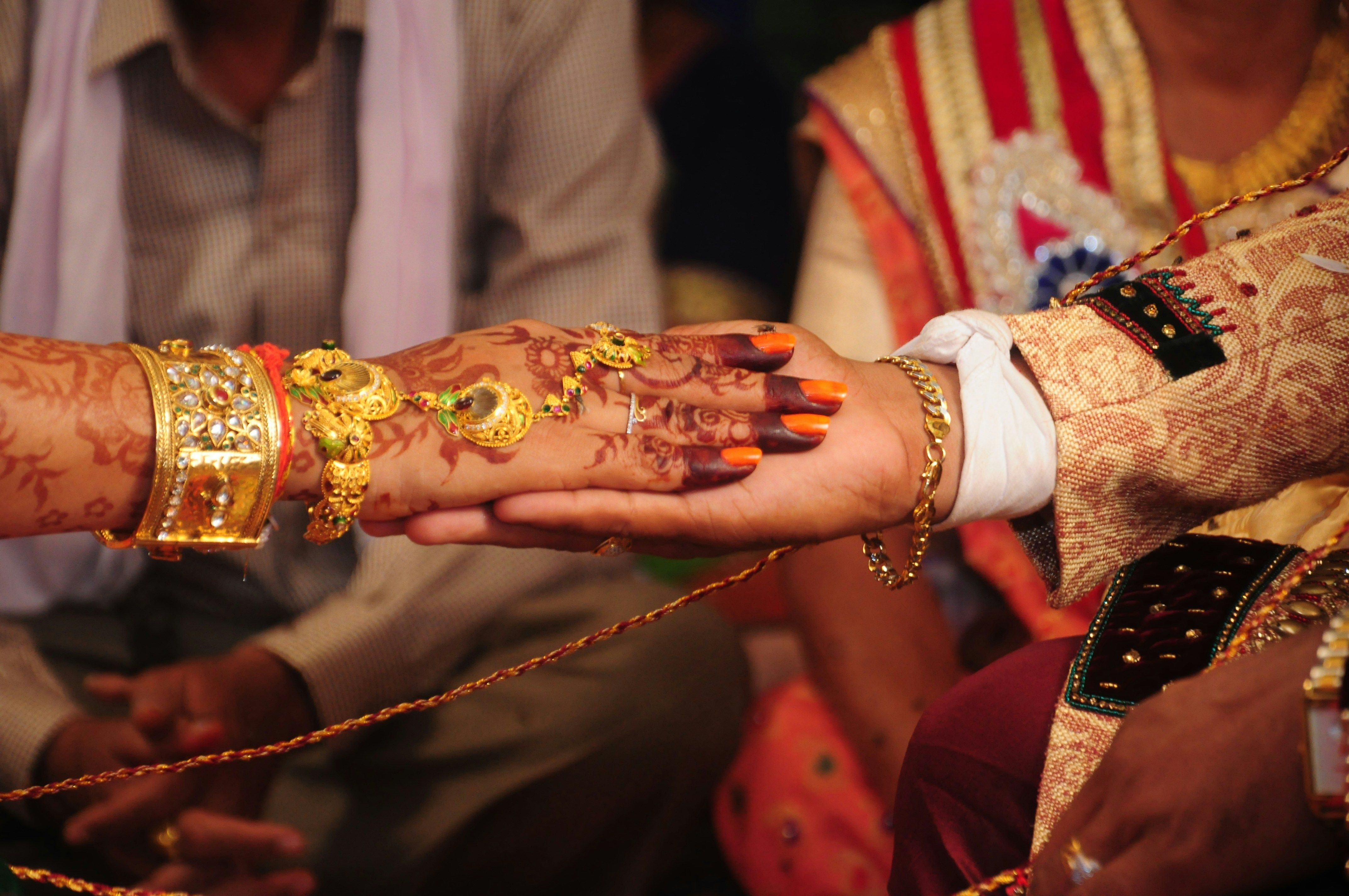

New Delhi: Indians are choosing to marry later, with the median age rising from 27 to 29 over the past decade, reflecting a broader transformation in how commitment and compatibility are being defined, according to a new study by matrimonial website Jeevansathi.
The central insight of the platform’s latest report, ‘The Big Shift: How India Is Rewriting the Rules of Partner Search and Marriage’, is clear: marriage in India is not losing relevance, but it is being reshaped by a generation that is more deliberate, self-directed and value-driven.
The two-year rise in median marriage age underscores a growing emphasis on preparedness over pressure. Many singles are prioritizing career consolidation, financial security and personal clarity before entering into matrimony. Half of users now begin their partner search at 29, suggesting that timelines are increasingly self-determined rather than socially imposed.
The survey analyzed Jeevansathi user data from 2016 to 2025 and responses from more than 30,000 active users collected in 2026.
Beyond timing, the parameters guiding partner selection are evolving. A striking 90% of respondents said that identifying the “right person” outweighs hitting a specific age or income milestone. Emotional compatibility and shared worldviews are becoming more important than conventional indicators of readiness, signalling a shift from checklist-driven matchmaking to intention-led choices.
Traditional filters, particularly caste, are also losing their once-dominant hold. In 2016, an overwhelming majority of users treated caste as a strict requirement. By 2025, that proportion had fallen sharply to just over half. The change is even more pronounced in metropolitan areas, where fewer than half of users now consider caste non-negotiable. The data indicates a steady pivot toward evaluating partners through the lens of lifestyle alignment and mutual understanding rather than inherited social categories.
At the same time, attitudes toward remarriage are becoming more accepting. The share of users seeking a second marriage has grown significantly over the past decade, and divorced profiles are increasingly receiving interest from individuals who have never been married. One in six successful matches on the platform now involves a remarriage, pointing to a gradual erosion of stigma and a more pragmatic view of second beginnings.
Changing Priorities
Decision-making patterns reveal another layer of change. Today, most profiles are created and managed directly by users themselves, a noticeable increase from a decade ago. While family-managed accounts have declined, family influence has not disappeared. Nearly seven in ten respondents said parental involvement can ease the process, suggesting the emergence of a blended model: individuals retain agency, but families remain supportive collaborators rather than primary decision-makers.
Gender roles within marriage are being reconsidered as well. Very few users now believe that one partner should shoulder the financial responsibility alone. A large majority of men expressed comfort with marrying women who earn more, while a smaller but notable share of women said they would consider partners who earn less. These findings reflect shifting expectations around financial contribution and partnership dynamics in dual-income households.
Despite these shifts, the desire to marry remains strong. Most users report plans to marry within the near term, underscoring that while attitudes and filters are changing, commitment itself is not being deferred indefinitely.
Taken together, the findings portray an institution in transition rather than decline. Indian singles are approaching marriage with greater intentionality, loosening rigid social boundaries and redefining partnership on their own terms. The result is a model of matrimony that balances autonomy with tradition, and aspiration with practicality, marking a significant cultural recalibration in how the country thinks about love and commitment.
(Cover photo by Jayesh Jalodara on Unsplash)