
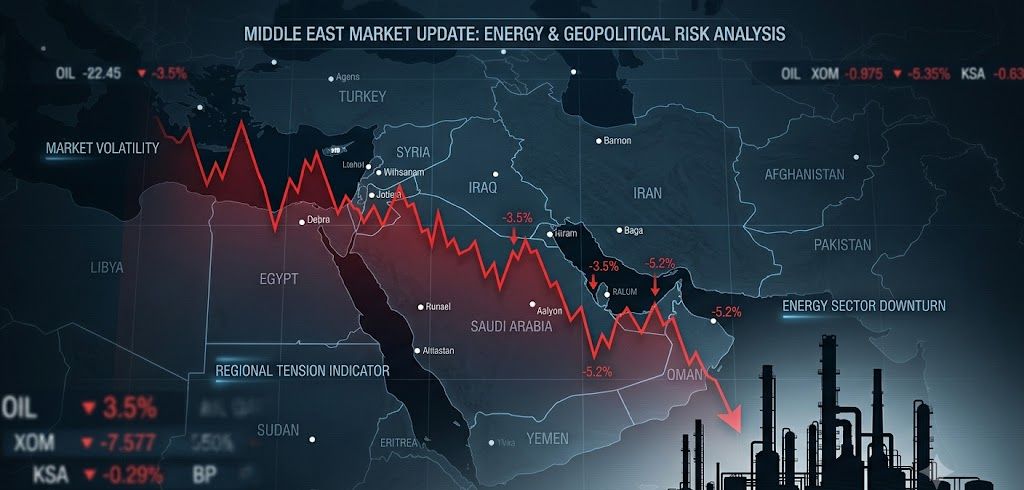

The Indian financial market faces mounting pressure as escalating geopolitical tensions in the Middle East continue to reverberate across global exchanges. As per reports, a deepening global bond selloff and surging oil prices are jarring markets worldwide, driven by acute inflation risks and supply anxieties.
The Energy-Market Transmission Channel
The direct transmission of geopolitical shocks to financial equities is a well-documented macroeconomic phenomenon. According to reports, disruptions in Middle East Asia significantly threaten vital energy supplies, pushing fuel prices higher worldwide. This energy inflation exerts a direct downward force on:
- Crude oil prices and precious metals
- Stock market indices
- Broader equity valuations through the financial market channel
When energy costs spike, import-dependent economies like India face immediate threats of a ballooning import bill, which subsequently filters down to domestic inflation and corporate margin pressures.
Global Equities and Bond Selloffs Deepen
The localized impact on Indian indices mirrors a broader regional trend. Asian equities have broadly slipped as the ongoing conflict keeps oil prices elevated, weighing heavily on investor sentiment. This sentiment was compounded today, when the global bond selloff intensified. Investors are recalibrating portfolios amid renewed fears that persistently high energy costs will force central banks to maintain restrictive monetary stances to combat resurging inflation.
Outlook for Domestic Indices
Details on specific intraday point drops for the Sensex and Nifty have not been reported yet in today's immediate updates. However, the macro-level indicators point to a cautious trading environment. Analysts note that unless geopolitical friction eases and crude oil prices stabilize, domestic equities will likely remain vulnerable to foreign institutional outflows and domestic inflation anxieties.