
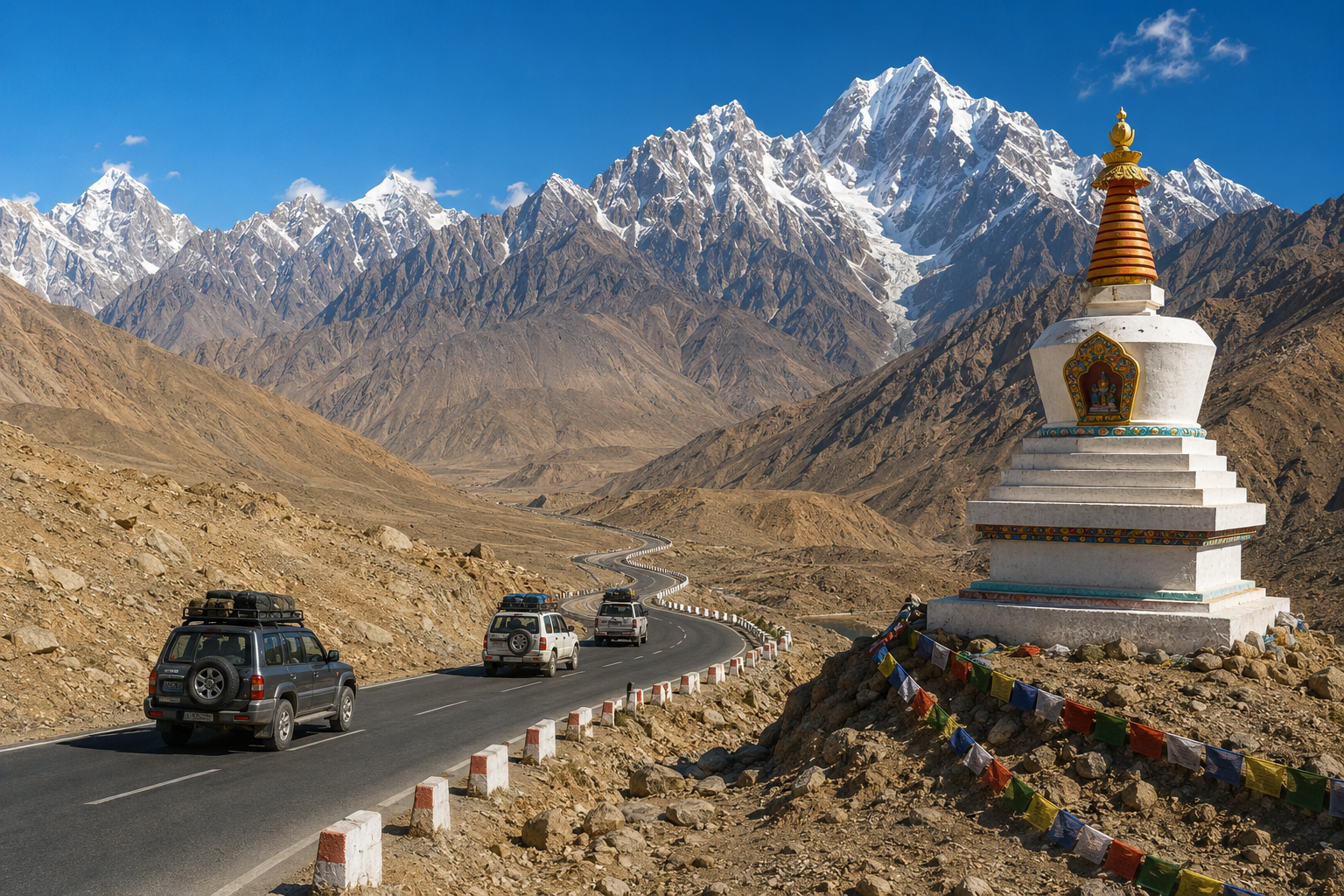

As of July 11, 2026, the Union Territory of Ladakh has officially entered what industry experts are calling a "Golden Growth Phase." New data reveals that the region has surpassed a significant milestone, recording more than 2.25 lakh tourist arrivals in the first half of 2026 alone. This surge is characterized not just by volume, but by a dramatic shift in the demographic profile of visitors, as international interest in the Himalayan frontier reaches unprecedented levels.
Foreign visitor numbers have nearly doubled during this period. The influx is being driven by a diversifying base of travellers seeking high-altitude adventures, ancient cultural experiences, and the unique Himalayan landscape. This transition marks a pivotal moment for Ladakh as it matures from a niche trekking destination into a global tourism powerhouse.
The Global Shift: Foreign Interest Surges
The most striking trend in the 2026 data is the rapid growth of international arrivals. Some reports suggests that foreign tourist arrivals in Ladakh nearly doubled in June 2026 compared to previous years. This spike is attributed to a growing fascination with the region’s high-altitude terrain and cultural heritage.
Key markets contributing to this growth include Israel, Thailand, and the United States. Analysts suggest that the appeal of "breathtaking Himalayan beauty" combined with a stable security environment has encouraged these long-haul and regional travellers to prioritize Ladakh. The doubling of foreign visitor numbers in the landmark first half of 2026 indicates that Ladakh is successfully competing with other global mountain destinations.
Infrastructure as a Catalyst: The Zojila Factor
A critical driver behind this tourism boom is the significant improvement in regional connectivity and infrastructure. In June 2026, Union Minister Nitin Gadkari marked a major milestone with the breakthrough of the Zojila tunnel project. The Zojila tunnel is set to transform Srinagar-Leh travel, providing a more reliable link that is essential for sustained tourism growth.
Complementing this is the work of the Border Roads Organisation (BRO), which previously completed the world’s highest motorable road in Ladakh in late 2025. These engineering feats have not only enhanced strategic mobility but have also opened new corridors for "high-altitude adventures," making the remote reaches of the territory more accessible to the average international traveller.
Beyond Adventure: A Maturing Hospitality Landscape
The surge in numbers is being met by a corresponding expansion in the hospitality sector. The region’s growth is part of a broader trend in Indian tourism; for instance, Suba Hotels crossed the 100-hotel milestone in FY26, reflecting record revenues and a general expansion in the lodging industry that supports hubs like Ladakh.
As the region enters the second half of 2026, the focus is shifting toward managing this "Golden Growth Phase" sustainably. While the 2.25 lakh arrival figure represents a triumph for the local economy, the nearly 100% increase in foreign visitors necessitates a robust approach to preserving the ancient culture and fragile environment that attract these tourists in the first place. For now, Ladakh stands as a primary beneficiary of India's growing connectivity and its increasing appeal to the global travel market.