
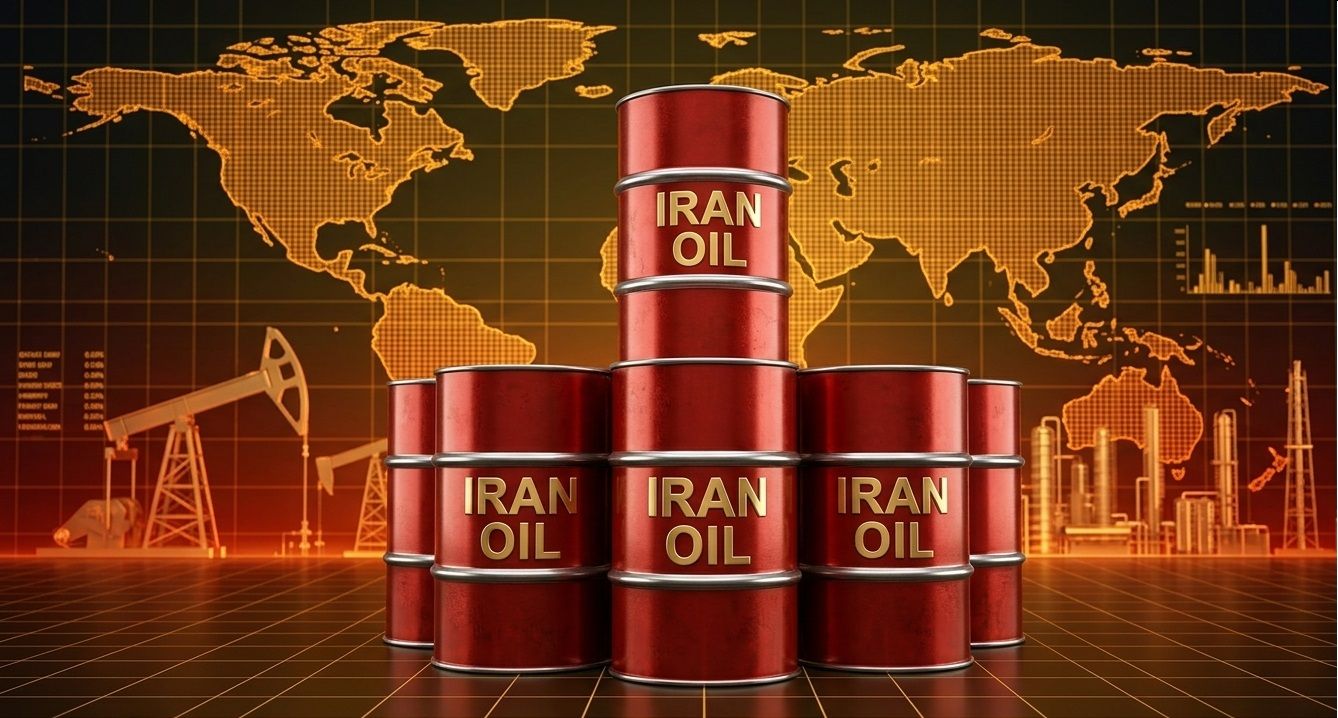

New Delhi: Few geopolitical developments can simultaneously lower India’s import bill, strengthen its energy security, improve its trade balance and expand its strategic autonomy. The United States' decision to ease sanctions on Iranian oil is expected do exactly that.
After nearly eight years of enforced absence from one of its most advantageous crude suppliers, India suddenly finds itself staring at an opportunity that policymakers in New Delhi have long wanted but could never openly pursue: the return of Iranian oil. If the diplomatic thaw between Washington and Tehran survives, India could become one of its biggest economic winners.
The timing could hardly be better. India remains dependent on imports for more than 85% of its crude requirements. Every spike in oil prices feeds inflation, widens the current account deficit, strains government finances and raises costs for businesses and consumers alike. At a time when geopolitical shocks have become the norm rather than the exception, the re-entry of Iranian crude into global markets offers India something increasingly valuable: choice.
First signs are already visible
Following the June 17 “understanding” between the United States and Iran, shipping activity through the Strait of Hormuz has begun normalising. The Ministry of External Affairs said on Tuesday that 110 India-bound vessels have successfully crossed the strategic waterway since the agreement was signed. Among them were three Indian crude tankers carrying roughly 285,000 metric tonnes of oil each, alongside vessels transporting LPG, fertilisers and other cargoes.
The significance extends far beyond maritime logistics. For months, the Strait of Hormuz had become a symbol of the fragility of global energy markets. The narrow channel between Iran and Oman carries roughly one-fifth of global oil consumption. Every threat to shipping through the corridor sent traders scrambling, oil prices soaring and importing nations into crisis-management mode.
The reopening of the route is therefore not merely a shipping story. It is an energy-security story. And for India, it could become an economic story worth billions of dollars.
Supplier India never wanted to lose
Before sanctions forced New Delhi’s hand in 2018, Iran was not simply another oil supplier. It was one of India’s most strategic energy partners. Iranian crude was ideally suited for several Indian refineries. Freight costs were lower because of proximity. Commercial terms were often more generous than those offered by Gulf rivals. Tehran frequently extended credit facilities and pricing incentives that improved refinery economics.
Even when sanctions complicated trade, both countries developed innovative settlement arrangements that allowed business to continue. India paid part of its oil bill in rupees, while Iran used those funds to purchase Indian goods. The arrangement reduced reliance on the dollar and demonstrated the strategic importance both countries attached to the relationship. That relationship effectively collapsed after the re-imposition of sanctions.
India was forced to diversify rapidly, turning to Saudi Arabia, Iraq, the UAE, the United States and eventually Russia. While the transition secured supplies, it also removed a source of competition that had helped keep procurement costs in check. The return of Iranian barrels changes that equation.
Why this matters more than cheaper oil
The immediate attraction is obvious. Iran’s re-entry into global markets increases supply. More supply generally means lower prices. Markets have already reacted accordingly, with crude prices retreating as traders began factoring in the prospect of additional Iranian exports.
For India, the arithmetic is straightforward. A decline of just a few dollars per barrel can save billions of dollars annually on crude imports. Those savings ripple across the economy through lower inflationary pressures, reduced subsidy burdens and improved external balances.
But focusing solely on price misses the larger strategic picture. Energy security is not about buying the cheapest barrel. It is about ensuring access to enough barrels from enough suppliers under enough circumstances.
Recent years have exposed the risks of concentration. Europe learned painful lessons from dependence on Russian gas. Global supply chains suffered repeated disruptions from wars, sanctions and shipping bottlenecks. Oil-importing countries increasingly recognise that diversification itself has economic value.
This is where Iran becomes strategically important. The addition of Iranian crude would expand India’s supplier portfolio at a time when Russian oil occupies a growing share of imports. New Delhi has benefited enormously from discounted Russian barrels, but no responsible energy strategy relies too heavily on any single source.
Iran offers India another major supplier, another negotiating lever and another layer of protection against future disruptions. In energy markets, optionality is power.
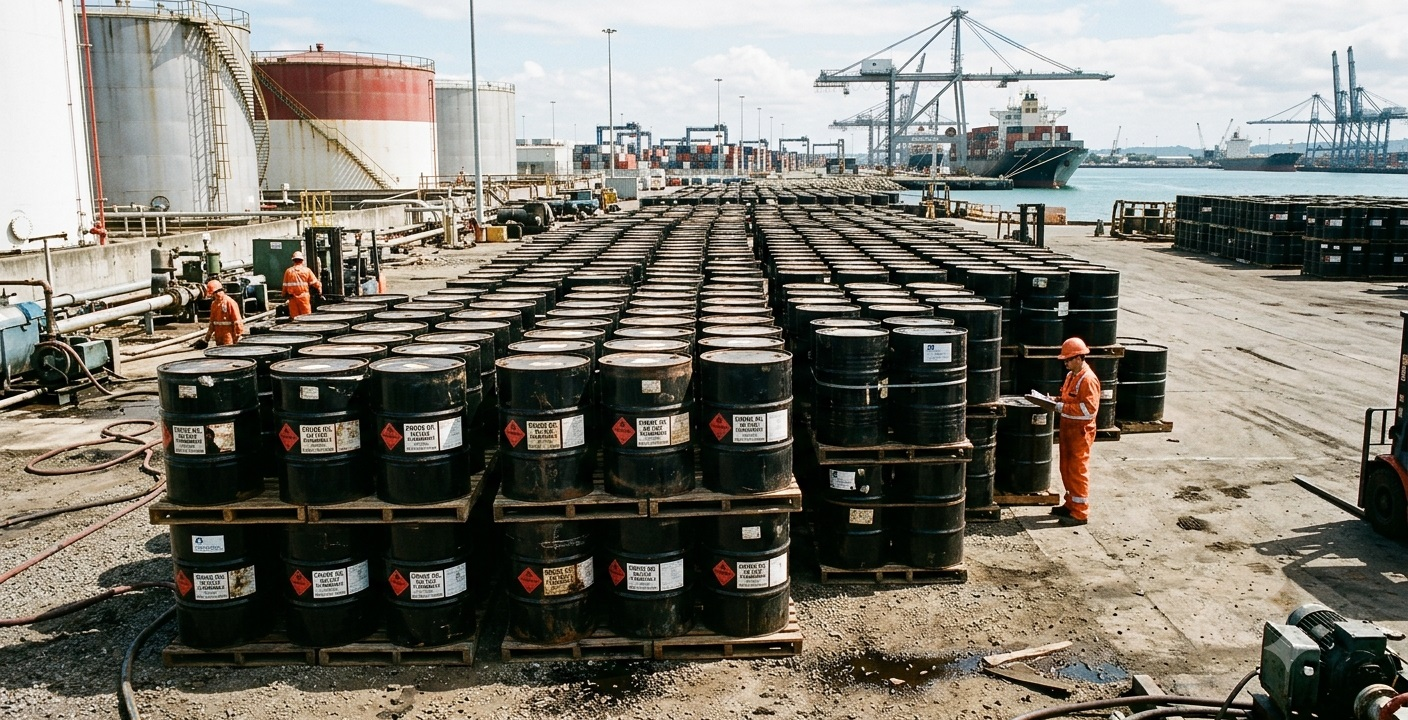
For India, the significance of Iranian oil is not that it offers another source of crude. It is that it offers another source of leverage
Stronger India at the negotiating table
The biggest beneficiary may not be Indian consumers or refiners alone. It may be India’s bargaining position. Oil exporters compete aggressively for market share in major consuming nations. The more alternatives India possesses, the stronger its leverage becomes in negotiations with every supplier.
The return of Iranian crude introduces a powerful new competitive dynamic across the Gulf. Saudi Arabia, Iraq, the UAE and other exporters would face renewed pressure to maintain attractive pricing and commercial terms. Refiners would gain flexibility. Procurement strategies would become more diversified. Supply risks would decline. This is precisely the kind of competitive environment that large importers seek.
For years, sanctions effectively removed one major supplier from India’s options. The easing of restrictions brings that supplier back into play.
Strategic autonomy gets an energy boost
The implications extend beyond oil markets. India’s foreign policy has increasingly emphasised strategic autonomy — the ability to pursue national interests without becoming overly dependent on any single power bloc.
Energy security sits at the heart of that objective. The sanctions era forced India to adjust its energy relationships according to geopolitical realities largely shaped elsewhere. A sustained reopening of Iranian exports would give New Delhi greater room to manoeuvre. It could also revive broader economic engagement with Iran, including trade, infrastructure cooperation and connectivity projects that had lost momentum under sanctions pressure.
The potential revival of alternative payment mechanisms could further strengthen India’s long-term efforts to diversify international trade arrangements.
The opportunity comes with a warning
None of this is guaranteed. The current sanctions relief remains tied to a fragile US-Iran diplomatic process. Banking channels, insurance arrangements and compliance frameworks are still evolving. Asian refiners are unlikely to rush back into Iranian crude until there is greater certainty about the durability of the agreement.
One political shift in Washington or one diplomatic breakdown with Tehran could reverse the current momentum. That uncertainty will keep many buyers cautious. Yet even with those risks, the strategic opportunity is unmistakable.
Iran possesses some of the world’s largest hydrocarbon reserves. It sits close to India’s shores. Its crude is familiar to Indian refiners. Its return would strengthen competition among suppliers, improve supply security and potentially lower energy costs across the economy.
For India, the significance of Iranian oil is not that it offers another source of crude. It is that it offers another source of leverage.
In a world increasingly shaped by energy disruptions, geopolitical rivalries and supply-chain vulnerabilities, leverage has become one of the most valuable commodities of all.
If the diplomatic opening survives, India will not merely import more oil. It will import greater flexibility, stronger negotiating power and a larger measure of strategic independence. That may prove far more valuable than any discount on a barrel of crude.