
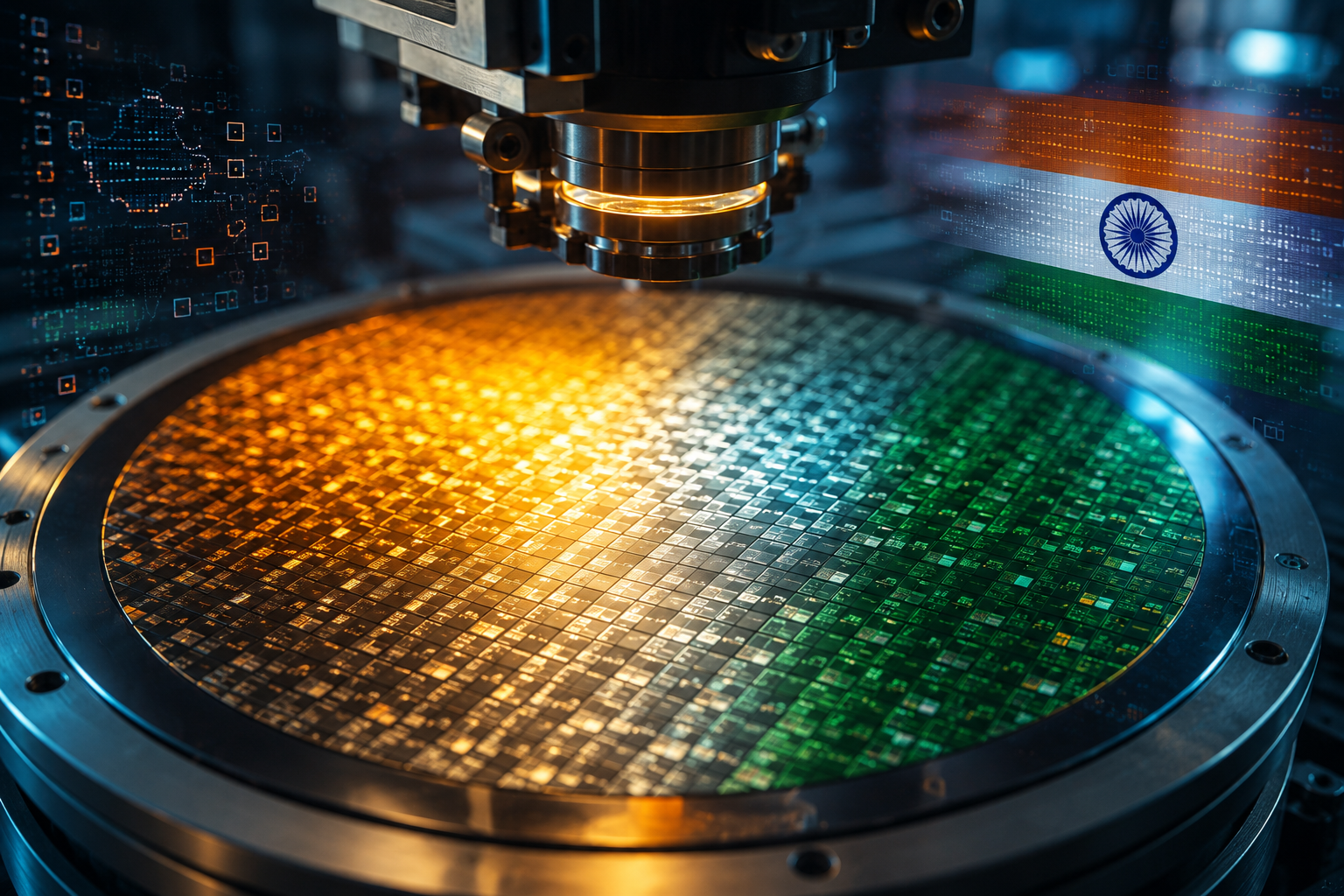

The Indian government has signaled a significant escalation in its quest for technological self-reliance. On Wednesday, July 15, 2026, the Union Cabinet approved a fresh infusion of $13.3 billion (approximately ₹1.27 lakh crore) to bolster the nation’s semiconductor ecosystem. This move, framed under the banner of "Semicon Mission 2.0," represents an intensified effort to transform India into a global electronics manufacturing hub and insulate its economy from volatile global supply chains.
Scaling Up: The ₹1.27 Lakh Crore Commitment
The scale of this latest approval underscores the government’s commitment to the semiconductor sector, which is increasingly viewed as the bedrock of modern industrial strategy. According to reports from Reuters, the $13.3 billion package is designed to provide the necessary fiscal support to attract top-tier global chipmakers and facilitate the expansion of existing facilities.
This fresh capital injection follows the initial phases of India's semiconductor policy, which sought to establish a foothold in a market dominated by East Asian manufacturing giants. By committing ₹1.27 lakh crore, the Cabinet is not merely subsidizing production but is attempting to build a comprehensive mission-mode infrastructure that addresses the high entry barriers associated with silicon fabrication.
Strategic Objectives of Semicon Mission 2.0
The transition to "Semicon Mission 2.0" marks a shift toward a more mature phase of industrial development. The Cabinet has earmarked ₹1.27 lakh crore for this mission expansion. While the initiative outlines a broad strategy for the sector, specific details on the exact line-item breakdown of how the funding will be used across different sub-sectors have not been reported yet.
However, the primary objective remains the creation of a sustainable domestic ecosystem. The mission is expected to provide a clear roadmap for attracting major international semiconductor firms to set up fabrication units (fabs) and supporting the development of related technologies. By providing long-term financial visibility, the government aims to alleviate the concerns of global investors who are often wary of the massive capital expenditures and long gestation periods required for semiconductor plants.
Reducing Import Dependency and Global Standing
The timing of this approval is critical as nations worldwide race to secure their semiconductor supplies. For India, the push is as much about economic security as it is about industrial growth. Currently, the country remains heavily reliant on imported chips to power its consumer electronics, automotive, and defense sectors.
This $13.3 billion push is intended to reduce this dependency by creating a local manufacturing base that can serve both domestic demand and international markets. If successful, Semicon Mission 2.0 could position India as a viable alternative to existing manufacturing hubs, leveraging its growing engineering talent and a favorable policy environment to claim a larger share of the global semiconductor value chain.