
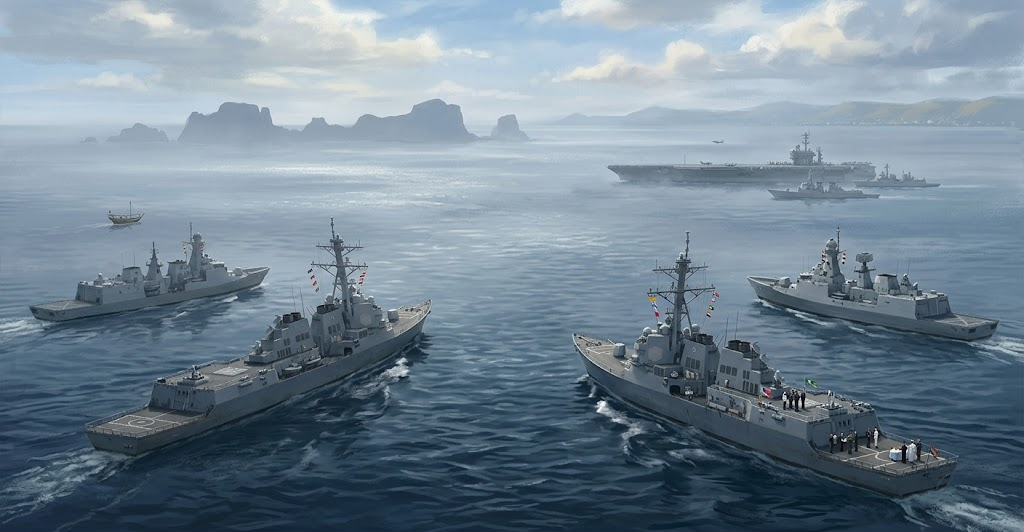

New Delhi has firmly rejected Pakistan’s allegations regarding a maritime collision involving Indian and Pakistani ships in the high seas of the Arabian Sea, dismissing Islamabad's official response as "usual prevarication". Indian authorities have maintained that the incident was precipitated by dangerous manoeuvres executed by the Pakistani vessel, prompting a warning against any recurrence of such actions.
Dangerous Manoeuvres and Vessel Fault
According to reports, New Delhi has underlined that the Pakistani ship, specifically identified in broader discussions as PNS Hunain, was entirely at fault for the collision involving Indian assets such as INS Kolkata. Indian officials stated that "dangerous" navigation tactics by the Pakistani side directly caused the high seas collision, rebutting Islamabad's attempts to shift accountability.
Violation of the 1991 Maritime Agreement
The official response from New Delhi places heavy emphasis on existing bilateral frameworks designed to prevent maritime escalations. India explicitly cited the 1991 Maritime Agreement during the diplomatic exchange.
The agreement explicitly requires warships from both nations to maintain a mandatory safety distance of at least three nautical miles from one another. By executing manoeuvres that breached this designated buffer, the Pakistani vessel violated the core tenets of the bilateral accord, according to Indian assessments.
Regional Security Implications
While diplomatic channels remain active following the incident, New Delhi's firm stance underscores its zero-tolerance policy toward operational hazards in contested or shared waters. Details on subsequent diplomatic notes or formal bilateral communications beyond the initial rejections have not been reported yet. However, the strong framing of the response indicates that India expects strict adherence to established maritime protocols to prevent future flashpoints in the Arabian Sea.