
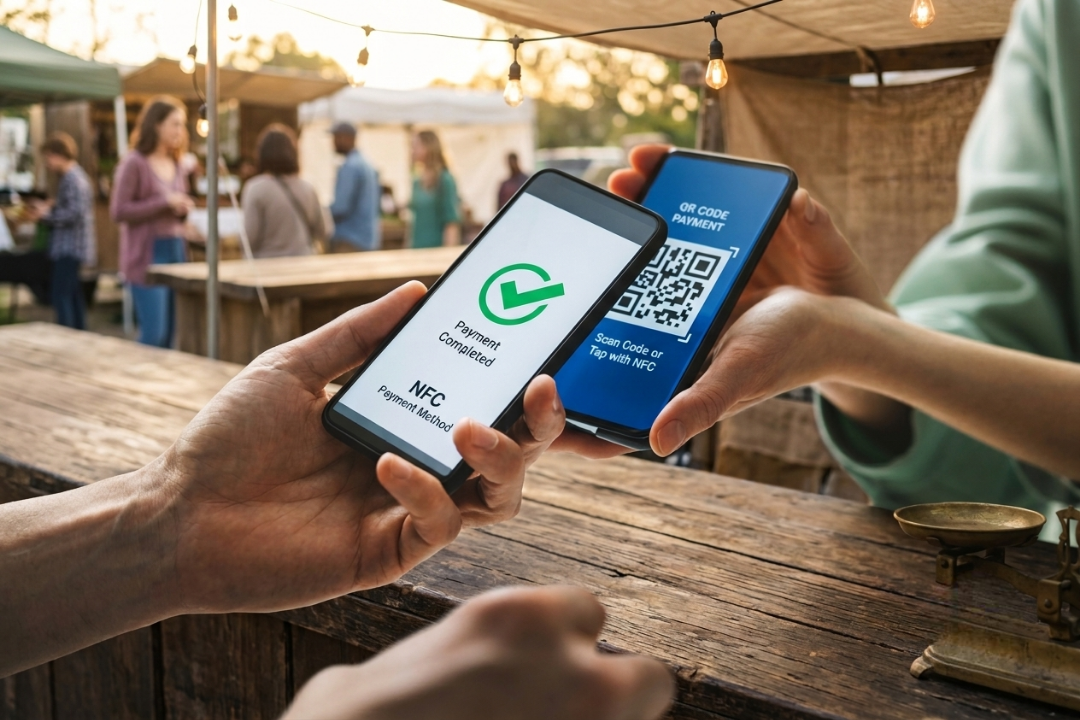

New Delhi: India and Nepal have taken a major step towards closer economic integration with the launch of a real-time cross-border remittance mechanism linking India’s Unified Payments Interface (UPI) and Nepal’s National Payments Interface (NPI). The system, operational since June 6, enables individuals in both countries to transfer money instantly through mobile banking applications and digital wallets, reducing reliance on cash and conventional banking channels.
The initiative, implemented through a partnership between NPCI International Payments Ltd (NIPL) and Nepal Clearing House Ltd (NCHL), is expected to make cross-border transactions faster, cheaper and more secure for migrant workers, families, tourists and businesses.
The significance of the move extends beyond convenience. India and Nepal share one of South Asia’s most integrated economic and social relationships, with an open border that facilitates the movement of people and trade. Millions of Nepali citizens live and work in India, while India remains Nepal’s largest trading partner and a major source of tourists and investment.
The digital payment corridor is expected to simplify remittances and everyday transactions by eliminating the need for physical cash and reducing transaction costs. For Indian travellers to Nepal, the system could eventually make routine payments as simple as scanning a QR code, while Nepali merchants stand to benefit from quicker settlements and greater access to Indian customers.
The launch comes at a time when India’s digital payments ecosystem is expanding rapidly. According to the National Payments Corporation of India (NPCI), UPI processed more than 18.68 billion transactions in May 2026, underlining the scale and maturity of the platform. The cross-border linkage allows Nepal to tap into one of the world’s largest real-time payment networks.
Nepal has also been steadily building its digital payments infrastructure. According to information released by NCHL, eight Nepali banks and financial institutions have already been onboarded to receive cross-border UPI-NPI remittances, with more institutions expected to join as the system expands.
The initiative is expected to particularly benefit remittance-dependent households. According to the World Bank, personal remittances account for more than a quarter of Nepal’s gross domestic product (GDP), making the country one of the world’s most remittance-reliant economies. Faster and lower-cost digital transfers could therefore have a meaningful impact on household finances and financial inclusion.
Officials from both countries have described the UPI-NPI linkage as a milestone in regional digital cooperation. Beyond facilitating person-to-person transfers, the platform could pave the way for wider cross-border payment services, including merchant payments and enhanced support for tourism and trade.
India has been steadily internationalising UPI, with the payment system now accepted across several countries, including Singapore, the United Arab Emirates, France, Mauritius, Nepal, Bhutan, Qatar, Sri Lanka and Cambodia. The India-Nepal payment corridor marks another important step in that strategy, reflecting the growing role of digital public infrastructure in strengthening economic ties and promoting seamless cross-border connectivity.