
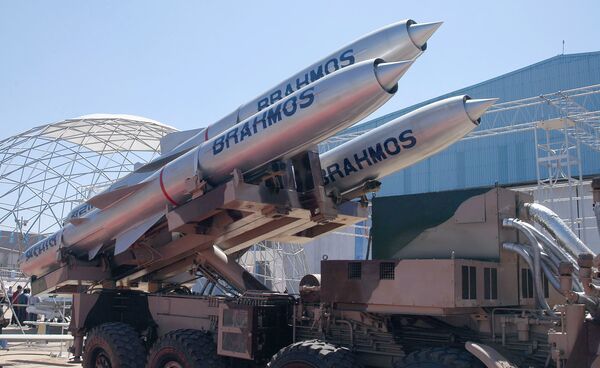

As of July 12, 2026, India is on the verge of a significant breakthrough in its defence diplomacy. Recent reports indicate that Indonesia is moving into the final stages of acquiring the BrahMos supersonic cruise missile and the Astra beyond-visual-range air-to-air missile system. This development signals a major milestone in India’s efforts to establish itself as a primary defence exporter in the Indo-Pacific region.
A Multi-Tiered Defence Partnership
The negotiations, which have been progressing steadily since late 2025, have now reached a critical juncture. The deal is not limited to the BrahMos system; it also includes the Astra missile family. The Indonesian Navy is specifically focused on finalizing the purchase of the anti-ship variant of the BrahMos to bolster its maritime security capabilities.
This expansion of the export portfolio to include the Astra missile highlights a deepening strategic trust between New Delhi and Jakarta. For Indonesia, these acquisitions represent a substantial upgrade to its defensive posture in the contested waters of Southeast Asia. For India, it represents the realization of a long-term goal to provide high-end military technology to friendly nations in the region.
Economic Implications and Private Sector Integration
The financial and industrial scale of these agreements is substantial. India was closing in on pacts worth approximately $450 million with both Vietnam and Indonesia. This revenue stream is critical for India’s domestic defence ecosystem, which is currently undergoing a structural transformation.
Coinciding with these export developments, the Indian government has today announced a policy shift to allow private firms to manufacture missiles. The Astra Mark 2 is likely to be the first missile produced under this new framework. This move is expected to increase production capacity, ensuring that India can meet both domestic requirements and growing international demand from partners like Indonesia without the traditional bottlenecks of state-run manufacturing.
Strengthening the Indo-Pacific Footprint
Beyond the balance sheets, the Indonesia deal is being viewed as a significant "Indo-Pacific power move." Arming Indonesia with both Astra and BrahMos missiles serves to create a more robust security architecture in the region. By providing these advanced systems, India is effectively expanding its defence footprint and offering an alternative to traditional Western or Chinese military hardware.
Industry analysts note that this deal, demonstrates India's growing reliability as a hardware partner. The successful finalization of this pact is expected to pave the way for further exports of indigenous platforms to other Southeast Asian nations, cementing India's role as a net security provider in the maritime domain.