
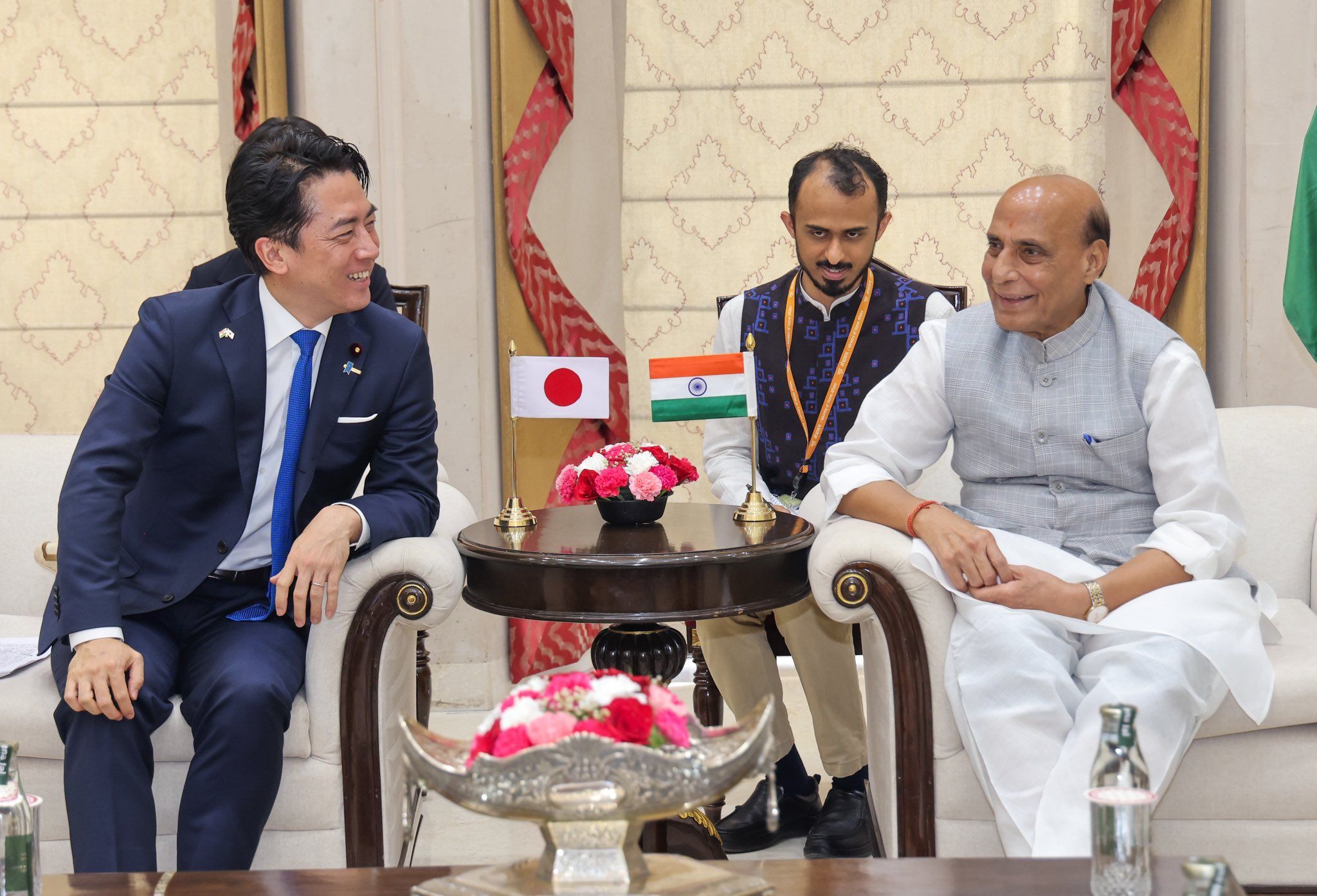

India and Japan have significantly bolstered their bilateral strategic and military alignment, agreeing to deepen their defence technology partnership while formally signing a Memorandum of Arrangement (MoA) on maritime security cooperation. The landmark agreement marks a pivotal step forward in diplomatic and defence engagements between the two nations, aiming to reinforce regional stability and expand collaborative frameworks across the Indo-Pacific.
Deepening Defence Technology and Naval Cooperation
The newly sealed pact focuses heavily on advancing joint initiatives in defence technology and expanding naval coordination. As per reports, the signing of the maritime security MoA provides a formal structure for heightened operational synergy between the two maritime democracies. The arrangement carries distinct strategic implications for both partners as they navigate a shifting geopolitical landscape.
While specific tactical disclosures regarding joint manufacturing or hardware sharing remain under progressive review, the overarching framework underscores a shared commitment to interoperability and technological exchange. The pact is engineered to streamline joint naval efforts and consolidate mutual security objectives in critical maritime corridors.
Strategic Realities in the Indo-Pacific
The deepening of this defence partnership arrives against a backdrop of evolving regional dynamics. The stepped-up cooperation reflects broader strategic balancing in the Indo-Pacific, with a close focus on regional developments involving China. By pooling strategic insights and securing robust maritime channels, New Delhi and Tokyo are signaling a resolute stance on maintaining a free, open, and rules-based order across vital sea lanes.
The timing of the arrangement emphasizes a shared urgency among policymakers in both capitals. The signing builds directly upon successive dialogues aimed at translating high-level diplomatic goodwill into tangible, operational defence deliverables.