
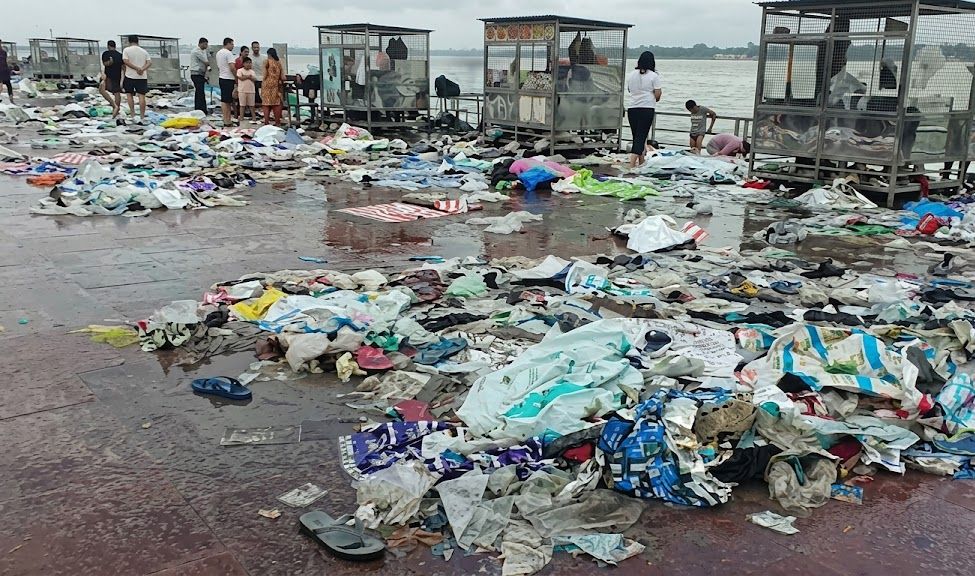

As the annual Kanwar Yatra concludes, Haridwar and the wider Uttarakhand region find themselves grappling with a colossal environmental and infrastructural fallout. The sheer magnitude of the pilgrimage has left civic authorities scrambling, exposing deep vulnerabilities in local waste management and cleanup capacities. With millions of devotees having traversed the region, the aftermath is a sobering reminder of the logistical strains large-scale religious gatherings place on municipal ecosystems.
Millions of Pilgrims and a Mountain of Debris
The recent conclusion of the pilgrimage saw an estimated 5 crore (50 million) to 48 million pilgrims, known as Kanwariyas, converge upon the region. This massive influx of devotees left behind an staggering volume of refuse.
Estimates of the accumulated garbage range between 7,000 to 8,000 tonnes of waste strewn across Haridwar and Uttarakhand. The debris includes not just general refuse, but also concerning items such as discarded urine bottles, placing an immediate and intensive strain on sanitation crews tasked with restoring public spaces.
Severe Strain on Civic Cleanup Operations
The enormous volume of trash has pushed Haridwar’s civic infrastructure and cleanup capacity to its absolute limits. Municipal authorities and sanitation departments have been forced into a massive, round-the-clock clearance operation to haul away the thousands of tonnes of piled-up garbage.
While cleanup crews work extensively to clear the thoroughfares and public spaces, the sheer density of the post-Yatra waste highlights a recurring structural challenge: municipal bodies are routinely outpaced by the sudden, concentrated generation of waste during peak pilgrimage seasons.
Broader Implications for Regional Infrastructure
Beyond the immediate visual blight and sanitation hazards, the waste crisis raises pressing questions about sustainable event management for massive religious congregations in India. As Uttarakhand continues to host tens of millions of visitors year after year, the environmental toll on local riverine and urban ecosystems demands more resilient, proactive waste mitigation frameworks. Without enhanced pre-planning and stricter waste handling enforcement during the pilgrimage itself, cities like Haridwar will continue to face debilitating cleanup crises annually.