
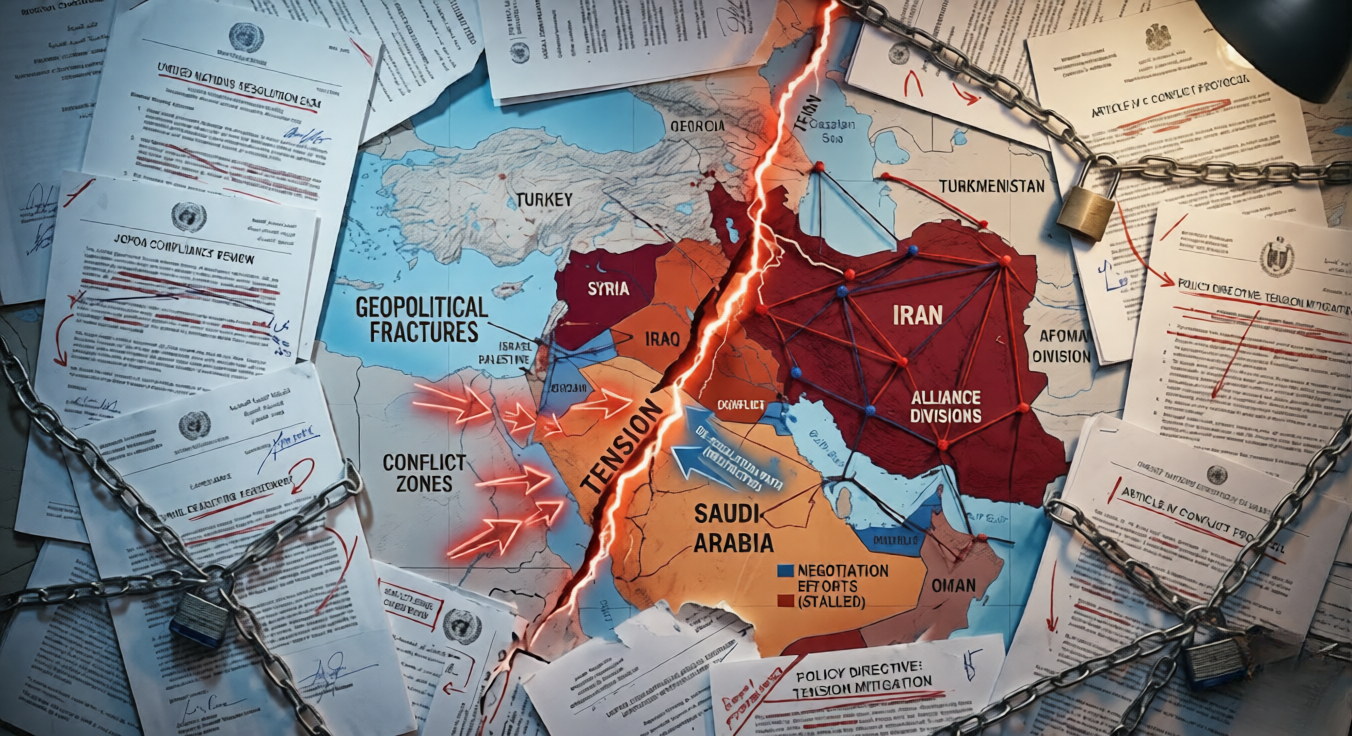

As geopolitical friction deepens across the Middle East, recent diplomatic and domestic developments have further complicated the path toward stability. According to reports, Israel has rejected a 15-point plan for Gaza proposed by Donald Trump, significantly stoking tensions with the United States. This rejection adds to a complex landscape of strained international alignments, policy disagreements, and ongoing conflict.
Diplomatic Friction and the US-Israel Relationship
The rejection of the 15-point proposal highlights a growing divergence in strategies between Washington and the leadership under Israeli Prime Minister Benjamin Netanyahu.
While historical friction previously existed regarding the pace and scale of military operations, such as concerns noted over rising civilian casualties, the latest rejection of the US-backed framework signals a fresh diplomatic fracture over post-conflict visions for the Gaza Strip.
Governance and Regional Militancy
Questions surrounding the day-to-day administration of Gaza remain a central point of contention. Historical and contemporary policy records note that Netanyahu opposed the Palestinian Authority taking over the administration of Gaza.
Concurrently, regional dynamics continue to be heavily impacted by broader hostilities. Analyses on regional militancy underscore how ongoing military campaigns, backed by the United States and other allies, have fueled cycles of violence and exacerbated humanitarian concerns. Human rights organizations and academic assessments frequently characterize the scale of the destruction under what Amnesty International and other bodies have evaluated as forms of collective punishment.
Human Toll and Media Documentation
The human cost of the protracted conflict continues to draw severe international scrutiny. Research highlights the staggering loss of life, noting the killing of more than 220 journalists and media workers in Gaza alongside tens of thousands of civilian casualties. As diplomatic channels stall and domestic political hardliners maintain aggressive postures, the trajectory of the conflict remains volatile, leaving international mediators searching for viable pathways toward de-escalation.