
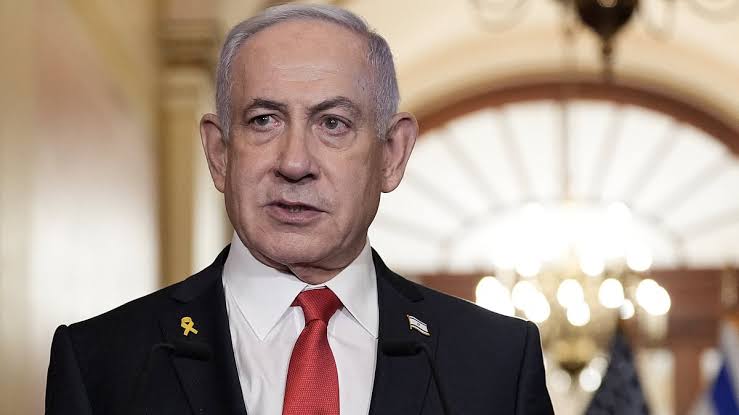

The diplomatic chasm between Israel and its closest ally has widened today, August 6, 2026, as Prime Minister Benjamin Netanyahu officially rejected a United States-backed proposal for peace in the Gaza Strip. The rejection comes at a critical juncture in the conflict, signaling a period of prolonged military engagement as both Israel and Hamas maintain rigid negotiating positions. According to reports, the peace plan, which had garnered significant international attention, failed to bridge the fundamental differences regarding Gaza's future security architecture.
The Disarmament Deadlock
Central to the Prime Minister’s rejection is the issue of demilitarization. While the US-backed draft reportedly included assurances regarding the disarmament of Hamas, Netanyahu has remained skeptical of these guarantees. The Israeli leader dismissed the proposal despite these specific assurances.
Netanyahu’s stance appears rooted in a demand for "total Hamas disarmament," a condition he views as non-negotiable for any withdrawal of forces. The Prime Minister has explicitly rejected any withdrawal plan that does not meet this threshold. This is echoed by other reports, which describe the rejected document as a "disarmament proposal" or a "demilitarization plan."
Military Presence and "Trump-Backed" Initiatives
The rejection also highlights a specific insistence on the continued presence of the Israel Defense Forces (IDF) within the territory. Netanyahu has asserted that Israeli troops will remain stationed in Gaza until Hamas is fully disarmed.
Interestingly, some reports, have characterized the proposal as "Trump-backed," suggesting a complex layer of US domestic political involvement in the 2026 diplomatic efforts. Despite the high-level backing from Washington, the Israeli administration has prioritized its immediate security objectives over the proposed roadmap. This follows a historical pattern of Netanyahu showing resilience in his policy decisions "against all odds," as noted in a 2025 analysis by RK Bera, which referenced his previous willingness to pursue offensives even when they conflicted with US-backed forces in other regional contexts.
A Firm Stance Amid International Pressure
As of today, the situation remains a stalemate. Both Israel and Hamas are holding "firm positions," leaving little room for immediate compromise. The US-backed draft was intended to provide a pathway for a cessation of hostilities, but the Israeli government’s demand for a complete and verifiable end to Hamas’s military capabilities has rendered the current draft untenable in Jerusalem's eyes.