
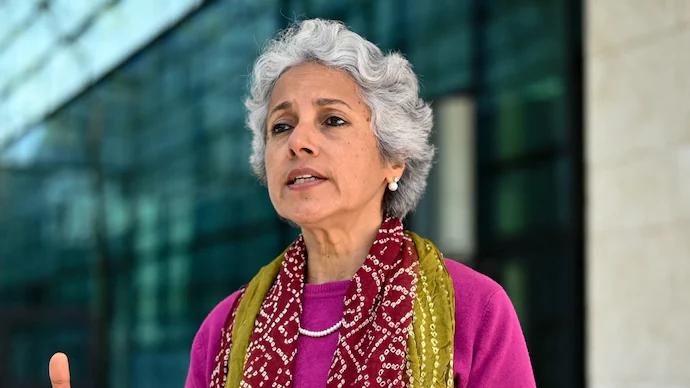

The ongoing global discourse on environmental health reached a critical inflection point this week as former World Health Organization (WHO) leadership elevated the alarm surrounding atmospheric hazards. As per reports, former WHO chief Dr Soumya Swaminathan has warned that worsening air pollution constitutes a profound threat to society, demanding an emergency response on par with the global mobilization seen during the COVID-19 pandemic.
A COVID-Scale Threat to Public Health
According to reports, Dr Swaminathan emphasized that the scale of damage inflicted by toxic air requires a radical shift in how governments approach environmental toxins. Highlighting the gravity of the situation, the former WHO expert noted that air pollution is as big a public health emergency as COVID-19, noting that it requires an equivalent level of urgency, policy focus, and resource allocation.
The Disproportionate Toll on Younger Generations
While the systemic effects of poor air quality impact entire populations, experts underscore that the burden falls heavily on the most vulnerable demographics. Details on this aspect have not been reported yet in the immediate context, but the overarching framework presented by public health specialists points toward severe, long-term developmental and respiratory consequences for younger generations who grow up breathing hazardous particulate matter.
Toward a Coordinated Global Response
The call for a COVID-like response challenges international bodies and local administrations to move beyond incremental adjustments. As the intersection of climate degradation and human health continues to draw warnings, echoing broader UN concerns regarding health emergencies of a pandemic scale, the emphasis remains on preventive containment and systemic reform. Experts argue that treating atmospheric contamination with the same gravitas as a viral outbreak is no longer optional, but essential for safeguarding future populations.