
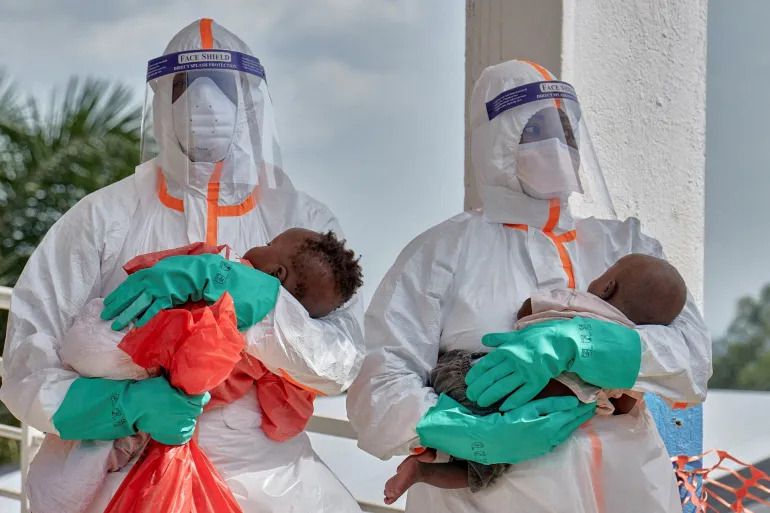

The Democratic Republic of the Congo (DRC) has reached a grim milestone in its ongoing battle against Ebola. As of today, August 1, 2026, official reports indicate that the death toll from the current epidemic has surpassed 1,500, marking one of the most severe public health crises in the region's history. Health authorities and international observers are sounding alarms as the virus continues to exhibit a resilient spread despite containment efforts.
The outbreak has now officially become the second-largest Ebola epidemic on record. The scale of the crisis reflects a significant challenge for the DRC’s health infrastructure and the international community’s ability to stabilize the region.
Escalating Case Numbers and Mortality
Recent figures released by health officials on July 31, 2026, reveal that the total number of Ebola cases has surpassed 3,500. Within this total, the confirmed death toll has reached 1,556. This rapid increase in both infections and fatalities underscores the aggressive nature of the current strain and the difficulties faced by frontline workers in identifying and isolating new cases.
According to reports, the crossing of the 1,500-death threshold represents a critical turning point in the trajectory of the disease. The current outbreak's mortality rate continues to pose a severe threat to local populations, particularly in areas where health services are already overstretched.
The Second-Largest Outbreak in History
With the latest surge in cases, the DRC’s current epidemic has been categorized as the world’s second-largest Ebola outbreak ever recorded. This classification places the current crisis behind only the 2013-2016 West African epidemic in terms of total impact.
The classification of "second largest" is not merely a statistical marker; it indicates a systemic failure to halt transmission cycles in high-risk zones. While previous smaller outbreaks were contained relatively quickly, this iteration has proven far more difficult to suppress. Officials have warned that the virus is "rapidly spreading", further complicating the logistical requirements for vaccination and treatment.
Barriers to Containment
Efforts to halt the spread of the virus have met significant resistance. The DRC continues to struggle with containment as the virus moves through communities. While specific details regarding the exact nature of these struggles, such as security concerns or community mistrust, have not been explicitly detailed in the latest briefings, the persistence of the spread suggests that current interventions are not yet sufficient to achieve a "zero-case" status.
The outbreak continues to spread geographically, necessitating a constant recalibration of the medical response. The international community remains focused on whether the existing vaccine stockpiles and treatment protocols can keep pace with the rising case numbers in the coming months.