
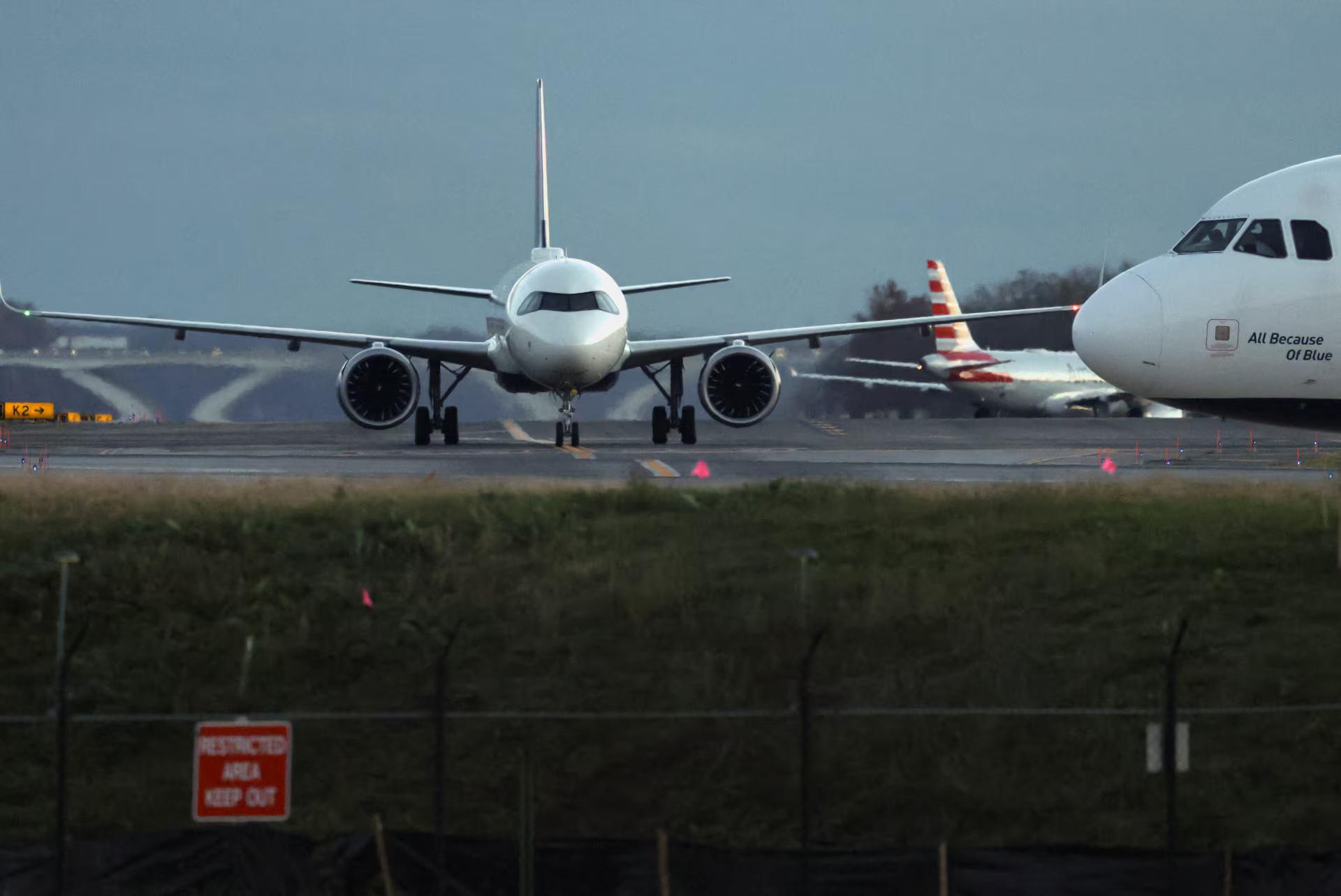

The U.S. Federal Aviation Administration (FAA) has lifted a rare nationwide ground stop following a massive air traffic control communication outage that rippled across the country. According to reports, the sweeping technical failure grounded departing flights nationwide for more than four hours, throwing commercial aviation schedules into profound disarray.
The Four-Hour Disruption and System Failure
The disruption struck core infrastructure as a telecommunications and air traffic communication outage crippled control systems. The incident led to a four-hour disruption that ultimately hit thousands of flights. The sudden halt forced aviation authorities to implement an immediate nationwide ground stop to maintain safety margins while technical teams scrambled to isolate and resolve the issue.
While the exact underlying trigger of the massive telecom failure remains tightly scrutinized, the immediate operational impact was severe. Major hubs across the country experienced severe bottlenecks as departing aircraft were held at their gates.
Resumption of Flights and Ongoing Fallout
Operations have officially resumed following the FAA's decision to lift the ground stop. However, the lifting of the freeze has not immediately normalized air travel.
Aviation analysts note that the cascading effects of a four-hour nationwide stoppage mean that recovery will take considerable time. Widespread flight delays and cancellations continue to plague airports as airlines work aggressively to reposition aircraft and crew members stranded out of sequence by the emergency order.
Broader Implications for Aviation Infrastructure
Incidents of this magnitude underscore the critical vulnerabilities embedded within national transport and communication networks. While safety protocols functioned as intended by halting departures before a critical safety compromise could occur, the incident reignites questions regarding the resilience of core air traffic control systems against sudden telecommunications failures.
Passengers across the United States are advised to check directly with their respective carriers for real-time schedule updates as airports work through the backlog caused by the multi-hour halt.