
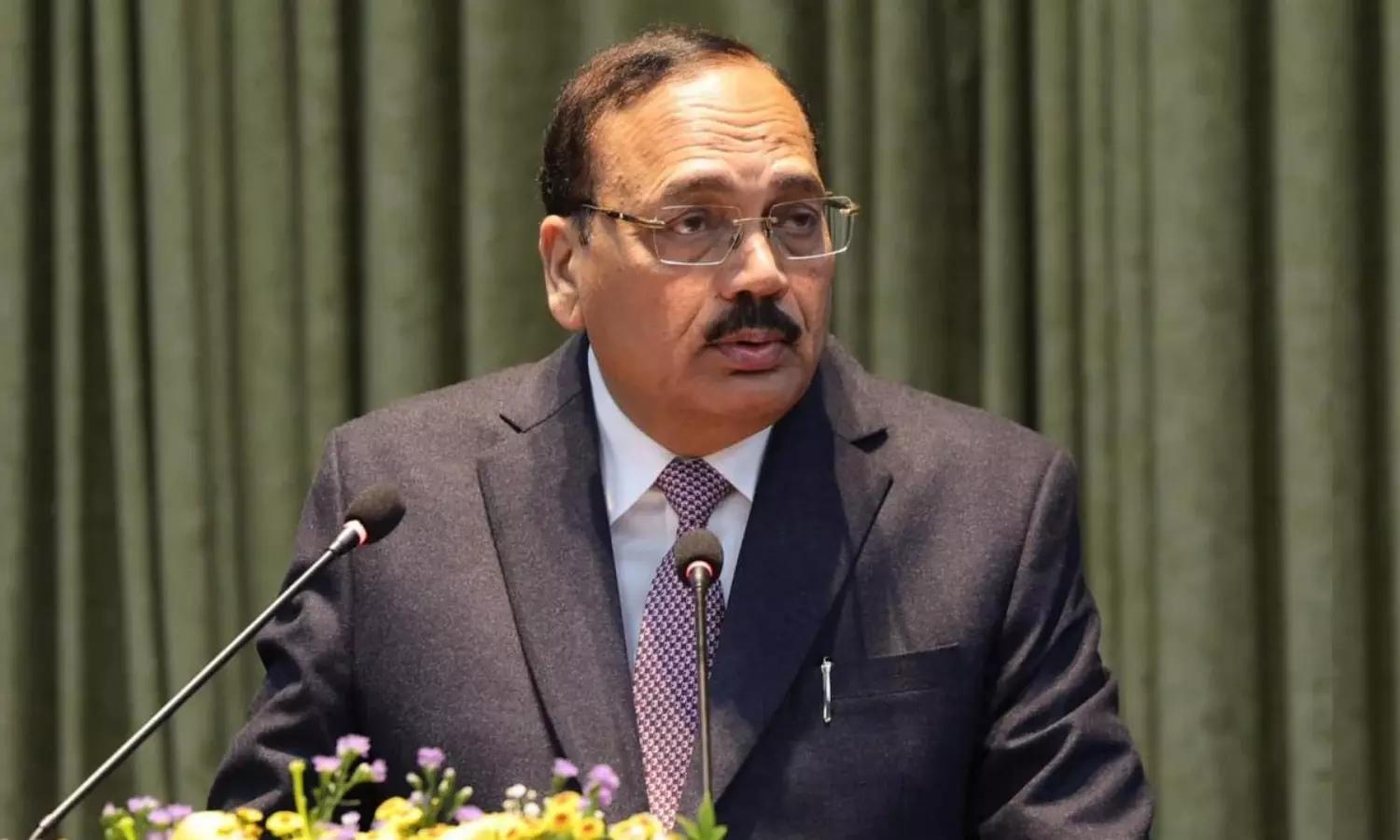

Chief Justice of India (CJI) Surya Kant has declined a meeting request from Leader of Opposition (LoP) Rahul Gandhi and Mallikarjun Kharge. The opposition leaders had sought an audience to discuss contentious issues including the Special Intensive Revision (SIR) of voter lists, allegations of "vote chori" (vote theft), and demands for Chief Election Commissioner (CEC) Gyanesh Kumar's resignation.
Grounds for Rejection and Judicial Boundaries
According to reports, the CJI's refusal was communicated alongside clear institutional reasoning. CJI Surya Kant cited four primary grounds for turning down the administrative meeting request:
- The issues raised by the opposition leaders are already pending consideration before the court.
- The Supreme Court cannot address such matters through its administrative side.
- The judiciary cannot issue direct instructions to the government via an administrative consultation route.
- The opposition leadership has the recourse of filing a formal petition for judicial consideration.
Furthermore, it was noted that similar matters are already scheduled for a court hearing on October 13.
Broader Political and Institutional Context
The rejected meeting request follows escalating tensions between opposition figures and electoral authorities regarding the Special Intensive Revision process. Rahul Gandhi and other opposition leaders had intended to press concerns over the CEC Gyanesh Kumar and broader transparency issues. By keeping the official reply confidential while clearly outlining the boundaries between administrative reach and judicial adjudication, the CJI's office has emphasized that electoral disputes must follow established legal channels rather than informal administrative meetings.