
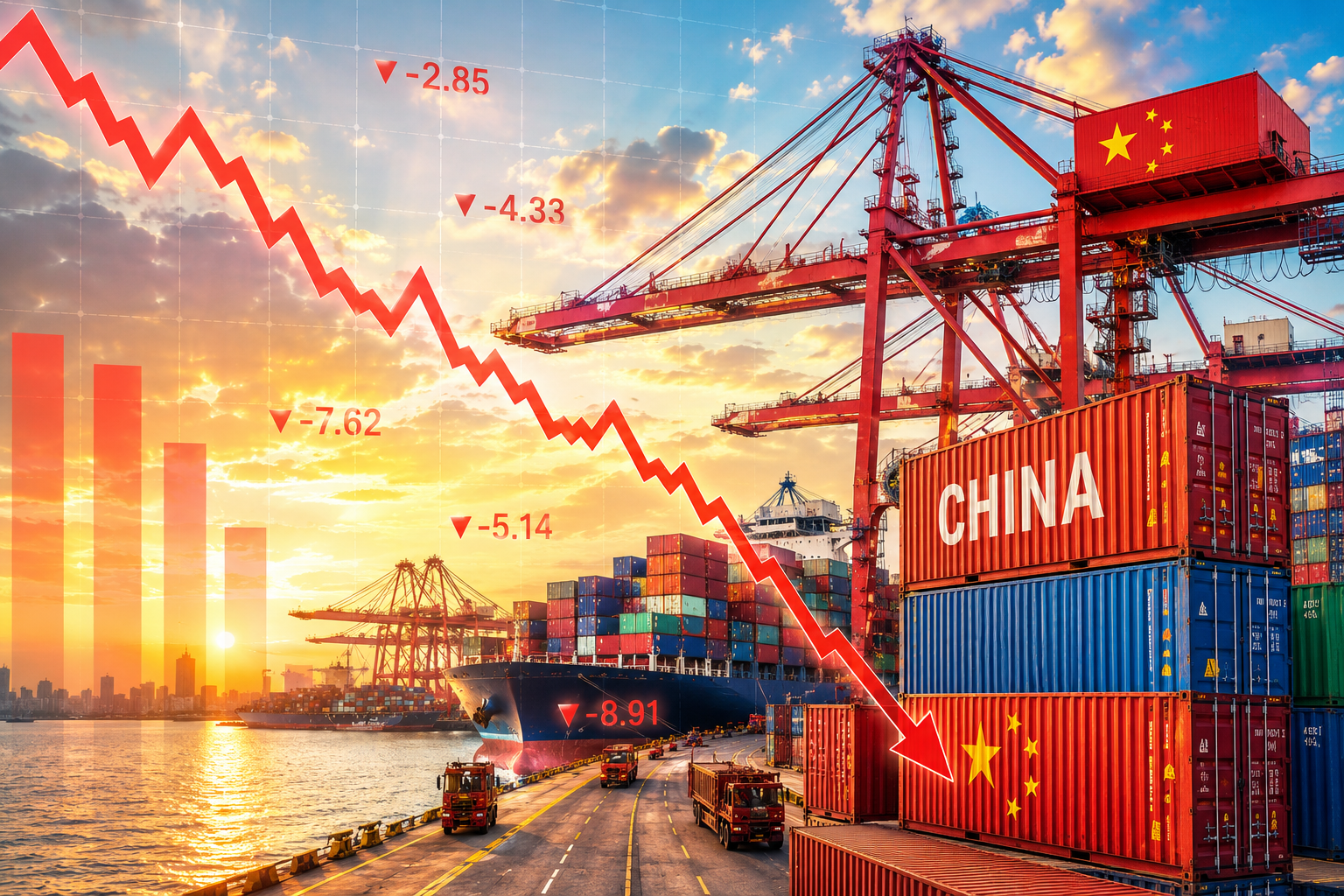

Beijing has released economic data today, July 15, 2026, revealing that China’s economy grew at a 4.3% annual pace in the second quarter. This figure represents the slowest rate of expansion for the world’s second-largest economy in more than three years, specifically marking the weakest performance since late 2022.
The data highlights a growing divergence between China’s manufacturing sector and its domestic consumption. While the headline growth figure has dipped to levels not seen in years, the underlying numbers suggest an economy struggling to maintain momentum despite significant strength in its trade balance.
The Export Paradox: Strong Trade, Weak Demand
One of the most striking aspects of the current slowdown is that it is occurring alongside a record-breaking export boom. According to the reports, Chinese exports have reached record levels, yet this external demand has failed to lift the broader economy out of its current slump.
This paradox suggests that while global consumers are still purchasing Chinese-made goods, the domestic engine of the economy is failing to fire. The reliance on exports to drive growth is becoming increasingly precarious as internal demand remains tepid, leaving the country vulnerable to shifts in global trade sentiment and international policy changes.
Structural Hurdles: Investment and Internal Slump
A primary driver of this three-year low is a significant drop-off in domestic activity. The investment has slumped across several sectors, a factor that has heavily weighed down the quarterly GDP figures. This decline in investment reflects a broader lack of confidence among businesses and consumers within the country.
The 4.3% growth rate is a clear signal that the post-pandemic recovery phase has transitioned into a more difficult structural phase. The persistent weakness in domestic investment suggests that previous drivers of the Chinese economy, such as infrastructure and real estate, are no longer providing the same level of support they once did, leading to the weakest pace of growth since the lockdowns of late 2022.
Global Repercussions and the Push for Stimulus
The slowdown in China is sending ripples through the global economy, raising concerns about growth dependency and supply chain stability. The international community is closely watching how Beijing responds to these figures, as a sluggish Chinese economy often leads to reduced demand for global commodities and raw materials.
In response to the disappointing Q2 data, there is a growing chorus of voices calling for government intervention. The slump in investment is "fanning stimulus calls," with economists and market analysts looking to Beijing for a more aggressive fiscal or monetary response to prevent a further slide. Whether the government will introduce large-scale measures to prop up domestic demand remains the central question for investors as the second half of 2026 begins.
While China remains a central pillar of global trade, the 4.3% growth figure underscores a period of cooling that could redefine its economic trajectory for the coming years. For now, the focus remains on whether record exports can continue to offset the deepening domestic challenges.