
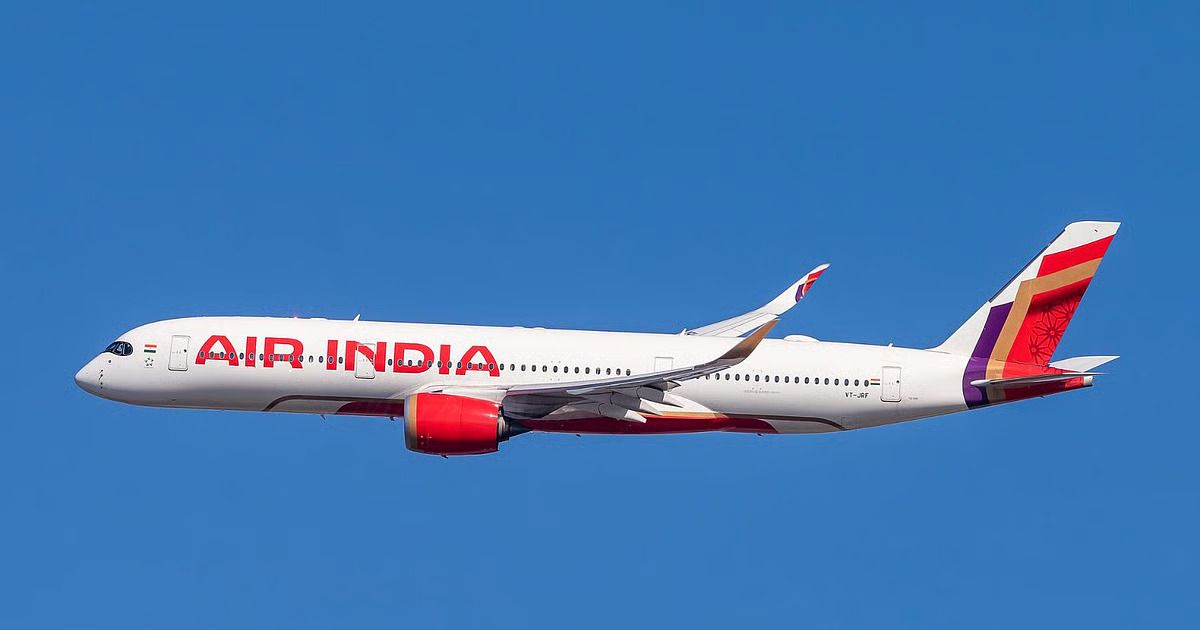

A preliminary investigation into an Air India flight from Phuket to New Delhi has revealed that the aircraft suffered a rapid, simultaneous loss of all three hydraulic systems while cruising at 36,000 feet. The terrifying mechanical failure triggered an "altitude upset" and a stall warning, leaving 24 passengers and crew members injured.
Investigation Findings and Mechanical Failure
According to the Aircraft Accident Investigation Bureau (AAIB), the Airbus A320 encountered the unprecedented triple hydraulic loss within a matter of seconds. Business Standard noted that the AAIB confirmed there was no adverse weather reported during the incident to explain the sudden destabilization. The sudden loss of hydraulic power severely compromised the aircraft's primary flight controls while at cruise altitude, forcing the plane into an abrupt altitude deviation that tossed passengers and crew about the cabin and resulted in 24 total injuries.
Regulatory Action and Pilot Testing
In the wake of the incident, regulatory authorities and the airline have taken swift action. The AAIB flagged a non-negative drug test belonging to the captain of flight AI-2379. Following the confirmation of drug use by the AAIB, the pilot was subsequently fired. In response to the crisis, Air India has initiated 100% pilot testing protocols across its operations.
Broader Implications for Aviation Safety
The incident has placed intense scrutiny on routine medical and substance screening protocols for commercial flight crews in India. While the mechanical nature of a simultaneous triple-system hydraulic failure on an A320 remains a focal point for aerospace engineers and safety investigators, the concurrent human factors revealed by the AAIB investigation have amplified calls for stringent oversight.