


New Delhi: In the underbelly of the global digital economy, an empire has risen. Fortified, industrialized, and ruthlessly efficient. It is not built on innovation or enterprise, but on captivity. The United Nations has called it, ‘A Wicked Problem’, a crisis so entangled in corruption, technology, migration and finance that no single intervention can dismantle it. At its core lies the industrialization of human trafficking for the purpose of forced criminality, a system that has transformed exploitation into a $64-billion-a-year global industry.
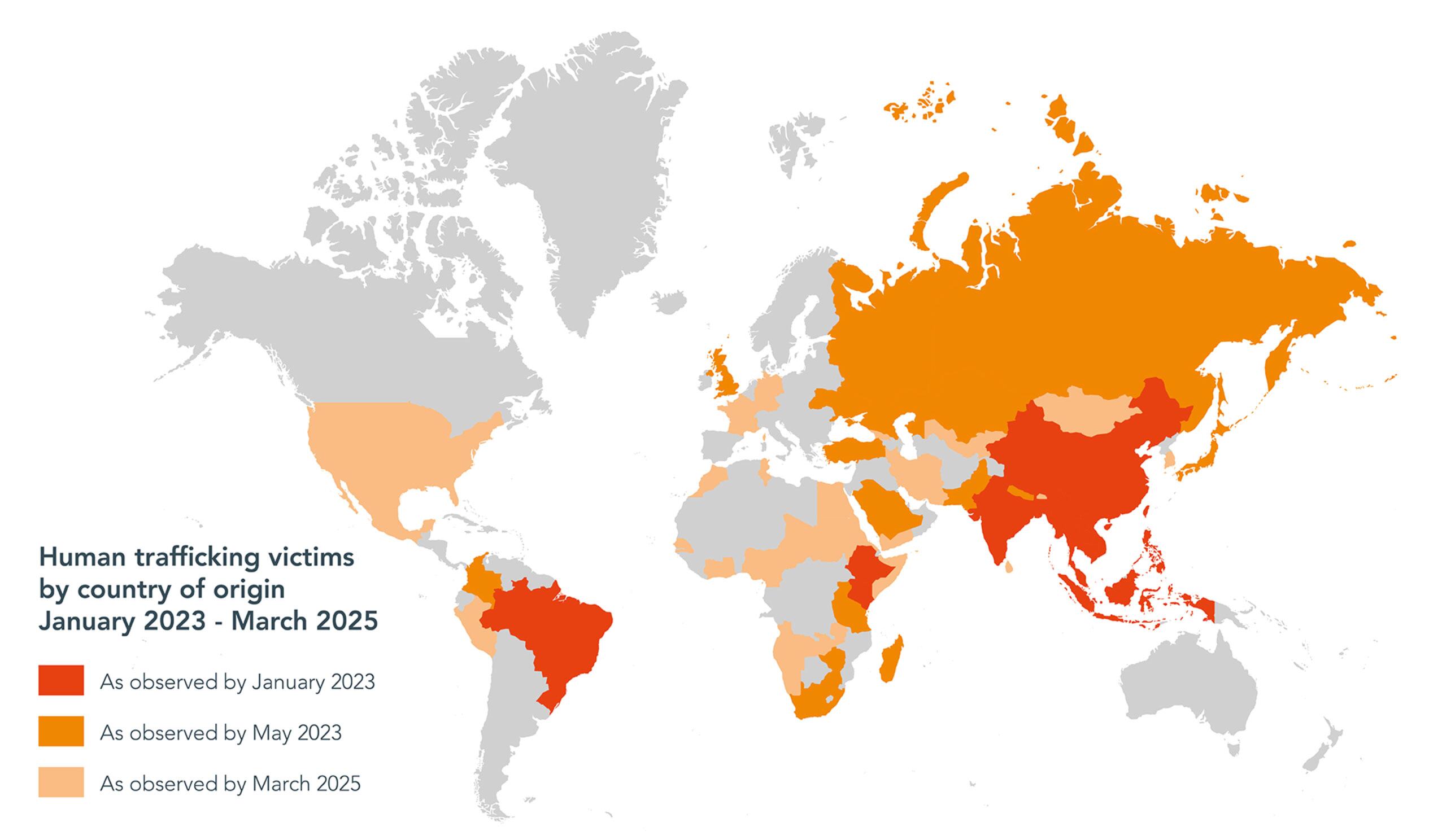
According to the UN paper, by 2026, the scale of this operation is staggering. At least 3,00,000 people from no fewer than 66 countries are believed to be trapped inside fortified scam compounds across South-East Asia. Satellite imagery confirms that 74% of these complexes are concentrated in the Mekong sub-region alone, where the industry generates more than $43.8 billion annually. What began as scattered criminal ventures has evolved into a trans-national enterprise operating with corporate precision and near-total impunity.
The Office of the United Nations High Commissioner for Human Rights, in its Geneva-published report titled ‘A Wicked Problem’, documents what it calls a “litany of abuse” underpinning these extraordinary profits. The report draws upon in-depth, trauma-sensitive interviews with victims forced to work inside scam centres, as well as confidential sources and corroborating evidence. Its findings are as methodical as they are devastating.
Survivors describe vast compounds that resemble autonomous cities. Some sprawl across more than 500 acres. Multi-storey buildings rise behind high concrete walls crowned with barbed wire, guarded by armed security personnel. Inside these walls exists a grotesque parody of normal society. Supermarkets, restaurants, salons, medical clinics, casinos and brothels operate within the perimeter, ensuring that the captive workforce never needs to leave. Smaller operations function out of apartments, hotels, gated houses, or special economic zones in major cities and remote border areas alike.
Torture ‘Cities’
Regardless of scale, control is absolute. Victims’ passports are confiscated. Communication is monitored. Surveillance is constant. Escape attempts invite violent retribution.
Within these compounds, arbitrary detention is routine and human rights are extinguished. Torture is not incidental; it is institutionalized. Morning assemblies often include public punishments, with low-performing teams subjected to beatings, taser shocks, or other forms of torture as warnings to others.
The UN report mentions one survivor from Sri Lanka recounting being submerged for hours in a so-called “water prison” after missing monthly targets. Others described confinement rooms where detainees were locked in “complete darkness” for days. Victims have been forced to watch or carry out abuse against their peers. A Bangladeshi man reported being ordered to beat fellow captives. A Ghanaian victim was made to witness his friend’s assault. Deaths inside the compounds were frequently mentioned in testimony.
Sexual violence has intensified since 2024. Women have described rape, forced prostitution and forced abortions. Twelve women released from compounds in Myanmar reported being raped and impregnated. A pregnant Filipina survivor endured electrocution and physical assault. Male victims have reported sexual humiliation and assault, challenging entrenched stereotypes of trafficking.
Food deprivation, sleep deprivation and workdays stretching up to 19 hours are commonplace. One survivor recalled that for 15 to 20 days his group received almost no food and became so weak that “we could not even stand.”
Recruitment Trick
Yet the demographic profile of the victims defies traditional narratives of trafficking, revels the UN report. Most are young adults in their twenties and thirties, many university graduates. They are not abducted from streets or villages. They are recruited — strategically and digitally. Criminal syndicates deploy generative artificial intelligence to craft persuasive job advertisements, produce convincing scripts, and create deepfake personas that simulate legitimate corporate recruiters. Facebook, TikTok and Telegram serve as primary recruitment pipelines. Prospective employees are promised well-paying professional roles that require no specialized certification. Enticed by the prospect of high salaries and overseas opportunities, they cross borders legally. Upon arrival, their documents are seized and their status shifts abruptly from employee to prisoner.
Even those who suspected they might be entering ethically dubious online sectors did not anticipate detention, violence or torture. Inside the compounds, they are coerced into perpetrating a spectrum of online frauds: impersonation scams, cryptocurrency investment schemes, online gambling platforms, extortion rackets and so-called romance scams. The operations are compartmentalized and sophisticated. Dedicated units manage recruitment of scam targets, scriptwriting, psychological manipulation and financial transfers.
Performance metrics govern survival. A Thai victim reported being required to generate $9,500 in scam proceeds per day to avoid fines, beatings or being “sold” to another compound. Wage theft is systematic. Contracts are often presented only after arrival, binding victims to unrealistic quotas. Minor infractions trigger point deductions that accumulate into spiralling debts. Failure to meet monthly targets results in escalating punishments and financial penalties.
When captives plead for release, traffickers demand ransoms ranging from $3,000 to $100,000. Families are sometimes forced to watch live video calls in which their loved ones are beaten or tortured, a calculated performance designed to accelerate payment. The cruelty is theatrical and strategic.
Corruption ‘Shield’
The financial architecture sustaining this system is as sophisticated as the violence enforcing it, highlights the report. Profits flow through mule or proxy bank accounts before being converted into cryptocurrency. Funds are laundered through complex digital channels and over-the-counter brokers before re-entering the formal global banking system. The convergence of cybercrime, human trafficking and cryptocurrency has created an ecosystem resilient to traditional law enforcement mechanisms.
Corruption remains the industry’s most reliable shield, says the report. Survivors allege immigration officers appeared to coordinate with recruiters, fast-tracking their arrival. Police have been observed entering compounds and receiving payments from managers. Compound operators frequently receive advance warning of raids, allowing them to relocate hundreds of workers within 24 hours. Even when crackdowns succeed, they are often ad hoc.
A February 2025 operation along the Thailand-Myanmar border freed approximately 7,000 individuals, yet compounds frequently resume operations under new names or in adjacent jurisdictions.
International pressure has grown. In late 2025, the United States and the United Kingdom sanctioned 146 individuals linked to the Prince Holding Group, resulting in the seizure of $14 billion in bitcoin. Yet the hydra-headed structure of these syndicates allows them to regenerate quickly. Observers increasingly characterize enforcement efforts as “performative,” failing to dismantle the entrenched networks of corruption and finance that sustain the enterprise.
The Trap
Compounding the challenge is a psychological dynamic that perpetuates recruitment. Despite global awareness campaigns, optimism bias leads many to believe they are too intelligent to be deceived. Red flags in job postings are dismissed. In regions where safe and legal labour migration pathways are limited, the promise of rapid economic advancement is irresistible. The UN report argues that awareness campaigns alone are insufficient. Governments must address structural socio-economic drivers that render these fraudulent offers so attractive.
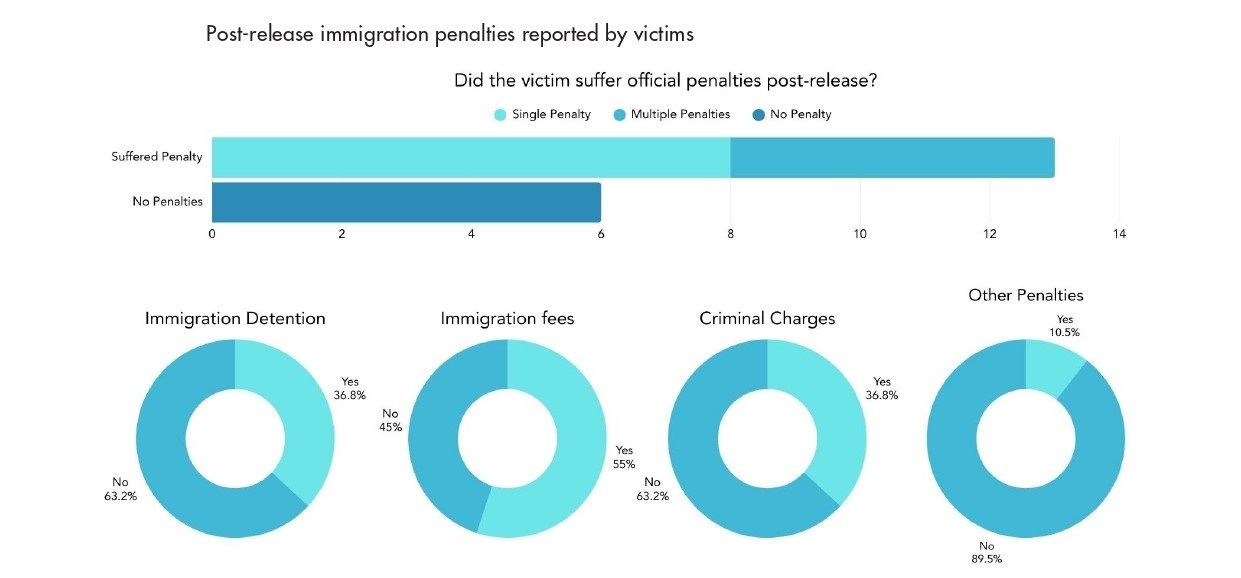
Freedom, when it comes, is often fraught with further injustice. Many rescued victims are detained in immigration facilities, fined for visa violations or prosecuted for crimes they were forced to commit. The OHCHR emphasizes the centrality of the Non-Punishment Principle, which dictates that victims of trafficking must not be prosecuted for illegal acts committed under coercion. Yet disbelief, stigmatization and even punishment remain common responses. Male survivors, in particular, struggle with shame and societal judgment, often reluctant to identify as victims.
The humanitarian toll is profound. Survivors return home traumatized, indebted and stigmatized. Severe post-traumatic stress disorder, depression and anxiety are widespread. Physical ailments, including tuberculosis contracted in cramped and unsanitary conditions, persist long after release. Some survivors report fearing debt collectors or recruiters who continue to threaten them. For many, escape feels like, in the words of one victim, “escaping a tiger only to meet a crocodile.”
UN Call for Action
The United Nations calls for a comprehensive, rights-based response grounded in international human rights law. Forced criminality must be explicitly recognized within anti-trafficking legislation. The non-punishment principle must be embedded in domestic law. Safe and timely rescue operations must be guaranteed. Trauma-informed medical and psychological rehabilitation must be provided regardless of immigration status. Safe labour migration pathways must be expanded, recruitment agencies more tightly regulated, and corruption aggressively confronted. Digital platforms must undertake mandatory human rights due diligence to disrupt fraudulent recruitment, and financial institutions must strengthen cooperation to dismantle money-laundering networks.
Without sustained and coordinated global intervention targeting the financial, digital and structural roots of this industry, the report warns that the crisis will continue to evolve. What has emerged in South-East Asia is not merely a regional crime wave. It is the industrialization of forced criminality in the age of artificial intelligence and cryptocurrency—a system in which human beings are warehoused inside fortified cities and compelled to defraud strangers across continents.
Behind the $64 billion in annual profits lies a machinery of captivity, torture and psychological devastation affecting hundreds of thousands of people from at least 66 nations. The walls of the scam cities stand not only as physical barriers but as symbols of a global failure to confront an atrocity unfolding in plain sight. Until corruption is dismantled, digital complicity addressed, and victims treated as rights-holders rather than criminals, this wicked problem will continue to expand—an empire of abuse thriving on human desperation in the digital age.