
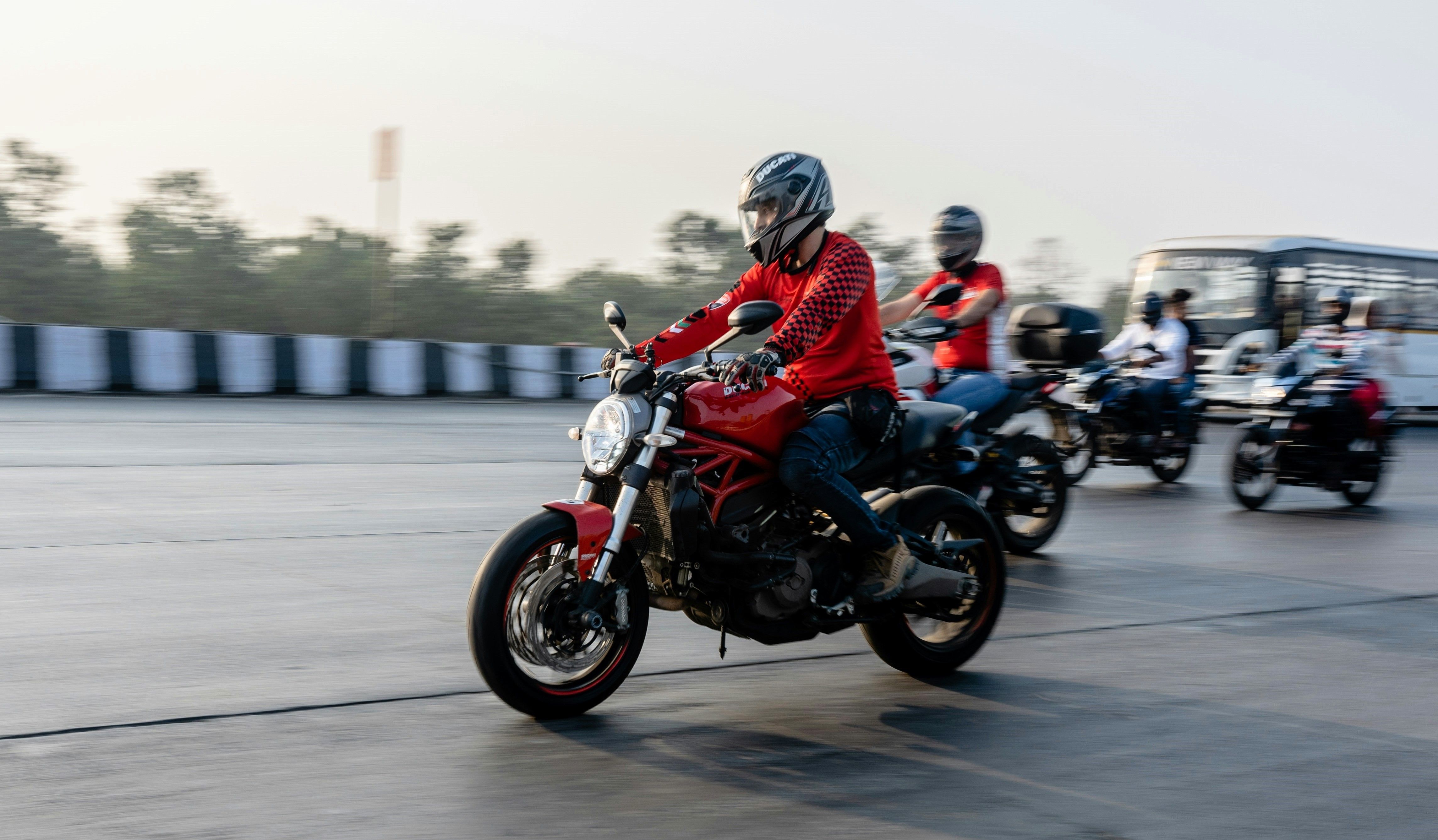

New Delhi: Domestic two-wheeler makers reported a sharp divergence between factory dispatches and showroom sales in November, reflecting post-festive inventory realignment rather than a slowdown in underlying demand.
According to rating agency ICRA, domestic wholesale volumes jumped 19% year-on-year to about 1.8 million units during the month, supported by the recent GST cuts and attractive original equipment manufacturer (OEM)-dealer schemes. These incentives helped sustain showroom footfalls even after the festive season, prompting dealers to replenish inventories and driving higher wholesale dispatches.
ICRA said the improvement in wholesale volumes was also visible in inventory trends. Data from the Federation of Automobile Dealers Associations (FADA) shows inventory levels easing to around 44-46 days by November, compared with nearly 60 days at the end of September, aided by steady retail offtake in October and November.
On the back of these trends, the ratings agency expects the domestic two-wheeler industry to record wholesale volume growth of 6-9% year-on-year in FY2026. The outlook is supported by improved replacement demand following the GST rate cuts, a gradual recovery in urban consumption, and resilient rural incomes, helped by expectations of a normal monsoon.
Momentum Cools After Festive Peak
While factory dispatches remained strong, retail sales moderated after an exceptionally robust festive season. Domestic retail volumes declined 3.1% year-on-year in November, largely because festive demand was front-loaded into October, which saw record-breaking sales. Dealers, however, continue to report steady customer enquiries, supported by positive sentiment around lower GST rates and additional demand in the ongoing wedding season. This suggests that the softness in November retail numbers is more a matter of timing than weakening demand.
Electric two-wheelers (e2Ws) mirrored this trend, with retail volumes slipping marginally by 1.4% year-on-year to 1,17,335 units in November. Despite the dip, e2W penetration remained broadly stable at around 6-7% of overall two-wheeler retail volumes during the first eight months of FY2026, indicating gradual but steady adoption rather than a structural slowdown.
Exports, meanwhile, continued to be a bright spot for the industry. Two-wheeler export volumes rose 27.9% year-on-year in November, while cumulative exports during April-November were up 23.6%, aided by a relatively low base in the corresponding period last year. ICRA expects export momentum to remain supportive over the medium term.
Broader trends in the auto sector also point to improving sentiment. Utility vehicles accounted for 67% of passenger vehicle volumes in November, marginally lower than 69% in October, while mini, compact and super-compact segments showed signs of revival following GST reductions. Industry observers believe that a combination of supportive policy measures, easing inventories and improving consumer confidence could help sustain the current growth trajectory well into 2026.
(Cover photo by Kishan Kanojia on Unsplash)