

New Delhi: A landmark international study published as part of the Lancet Commission on Oral Health has found that socio-economic inequality remains one of the strongest determinants of oral health worldwide, with the poorest populations consistently suffering the highest rates of complete tooth loss, or edentulism. Beyond income alone, the research reveals that a country’s welfare system plays a decisive role in shaping both the overall burden of tooth loss and the scale of inequality between rich and poor.
The study —The Role of Welfare Regimes on Socio-economic Inequalities in Edentulism: A Cross-National Analysis of 40 Countries — analyzed data from nearly 117,400 adults aged 20 years and older across 40 countries, drawing on one of the most comprehensive global datasets ever assembled on oral health. The researchers categorized countries into seven welfare regimes, reflecting different approaches to social protection, redistribution and public services, and examined how these systems interact with wealth to influence oral health outcomes.
Across all welfare regimes studied, the findings were starkly consistent: individuals in the lowest wealth quintile had the highest prevalence of edentulism. According to the Lancet authors, this confirms that poverty remains a powerful predictor of severe oral disease, regardless of a country’s overall income level.
However, the scale of tooth loss varied dramatically by welfare regime. Countries in Eastern Europe reported the highest age- and sex-standardized prevalence of complete tooth loss at 8.4%, closely followed by nations operating under corporative welfare regimes, which recorded a prevalence of 8.1%. These systems are typically characterized by employment-linked benefits and segmented social protection.
At the other end of the spectrum, the lowest prevalence of edentulism was found in countries categorized under the insecurity regime, which includes many low-income countries, at just 0.8%. This was followed by Scandinavian welfare regimes, which reported a prevalence of 4.7%. While the low prevalence in Insecurity-regime countries may appear counterintuitive, the Lancet researchers caution that this likely reflects lower lifetime exposure to oral health hazards — such as high sugar consumption — rather than superior access to dental care.

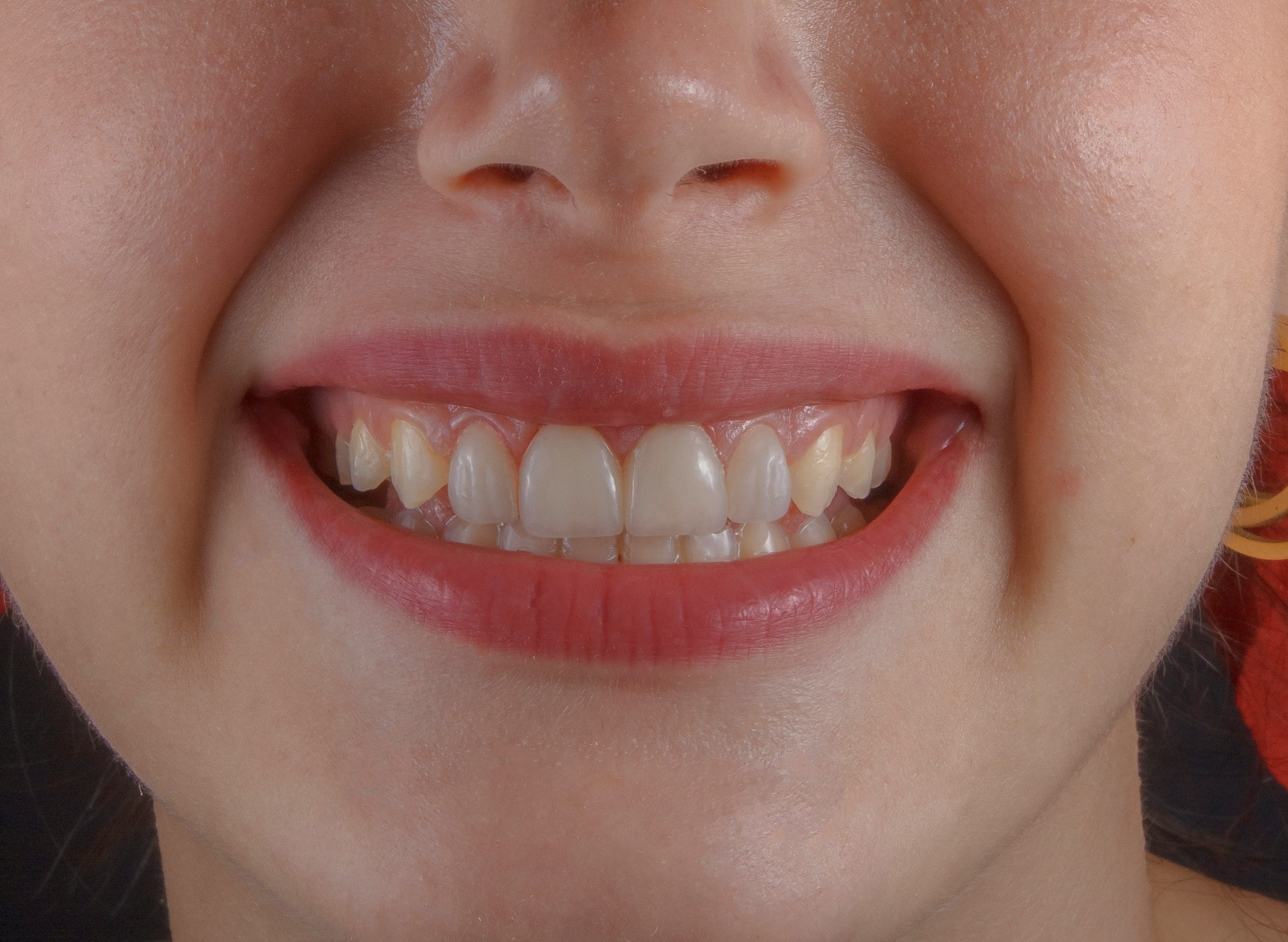
Lancet researchers said welfare regimes shape oral health not only through access to dental services but also through broader social determinants such as income security, education, employment conditions, and lifelong exposure to risk factors. (Photo by Filip Rankovic Grobgaard on Unsplash)
More striking than overall prevalence, however, was the study’s analysis of socio-economic inequality within countries. The Lancet Commission found that liberal welfare regimes — often characterized by limited social protection and a strong reliance on market-based solutions — exhibited the most extreme disparities in tooth loss.
In these countries, individuals in the poorest wealth quintile were a staggering 20.6 times more likely to be edentulous than those in the wealthiest quintile. This relative inequality translated into an absolute difference of 17.3 percentage points in prevalence between the richest and poorest citizens — by far the largest gap observed across all welfare regimes.
By contrast, among high- and upper-middle-income countries, Scandinavian welfare regimes demonstrated the lowest absolute inequalities. In these nations, the difference in edentulism prevalence between the highest and lowest wealth groups was just 5.5 percentage points, highlighting the potential of universal social protection to buffer the health effects of economic disadvantage.
Interestingly, the study also found that low-income countries within the insecurity regime showed the lowest overall levels of inequality, despite limited resources and weak formal welfare systems. According to the authors, this reflects a narrower distribution of exposure to oral health risks rather than equitable access to care, underscoring the importance of considering life-course factors when interpreting global oral health data.
Broader Social Determinants
The Lancet researchers have emphasized that welfare regimes shape oral health not only through access to dental services but also through broader social determinants such as income security, education, employment conditions, and lifelong exposure to risk factors. The higher prevalence and inequalities observed in some industrialized countries may paradoxically reflect longer life expectancy and sustained exposure to oral health hazards, combined with unequal access to preventive and restorative care.
A key insight from the study concerns the limitations of targeted, high-risk policies, which are widely used in Liberal welfare regimes. While such interventions aim to support vulnerable groups, the Lancet Commission notes that relying exclusively on targeted approaches may inadvertently widen inequalities by failing to address the underlying structural drivers of poor oral health.
“Targeted interventions alone may not be sufficient to reduce population-level inequalities,” the authors note, adding that such strategies can leave broader social and economic conditions unchanged. This finding aligns with long-standing public health evidence that selective programs often benefit those who are already better positioned to access care, thereby reinforcing disparities.
In contrast, universal welfare policies, such as those characteristic of Scandinavian systems, appear to offer a more effective pathway toward both improved oral health and reduced inequality. These systems emphasize broad social protection, universal health coverage, and population-wide preventive measures, which the Lancet study associates with lower overall tooth loss and fewer socio-economic disparities in absolute terms, even when compared with other economically developed nations.
Ultimately, the study concludes that welfare regimes capture deep-rooted political and social traditions that exert a powerful long-term influence on oral health outcomes. The choice of welfare model affects not only how many people lose their teeth, but also who bears the greatest burden of that loss.
The findings reinforce the Lancet Commission on Oral Health’s broader call for structural, population-wide policies to address oral diseases, which remain among the most common non-communicable conditions globally. According to the Commission, reducing tooth loss and narrowing oral health inequalities will require moving beyond narrowly targeted dental interventions toward stronger social protection, universal access to care, and policies that address the social determinants of health across the life course.
As countries grapple with widening economic inequalities, the Lancet study underscores that oral health is not merely a matter of individual behaviour or clinical care, but a reflection of societal choices about welfare, equity, and collective responsibility.
(Cover Photo by Ozkan Guner on Unsplash)