
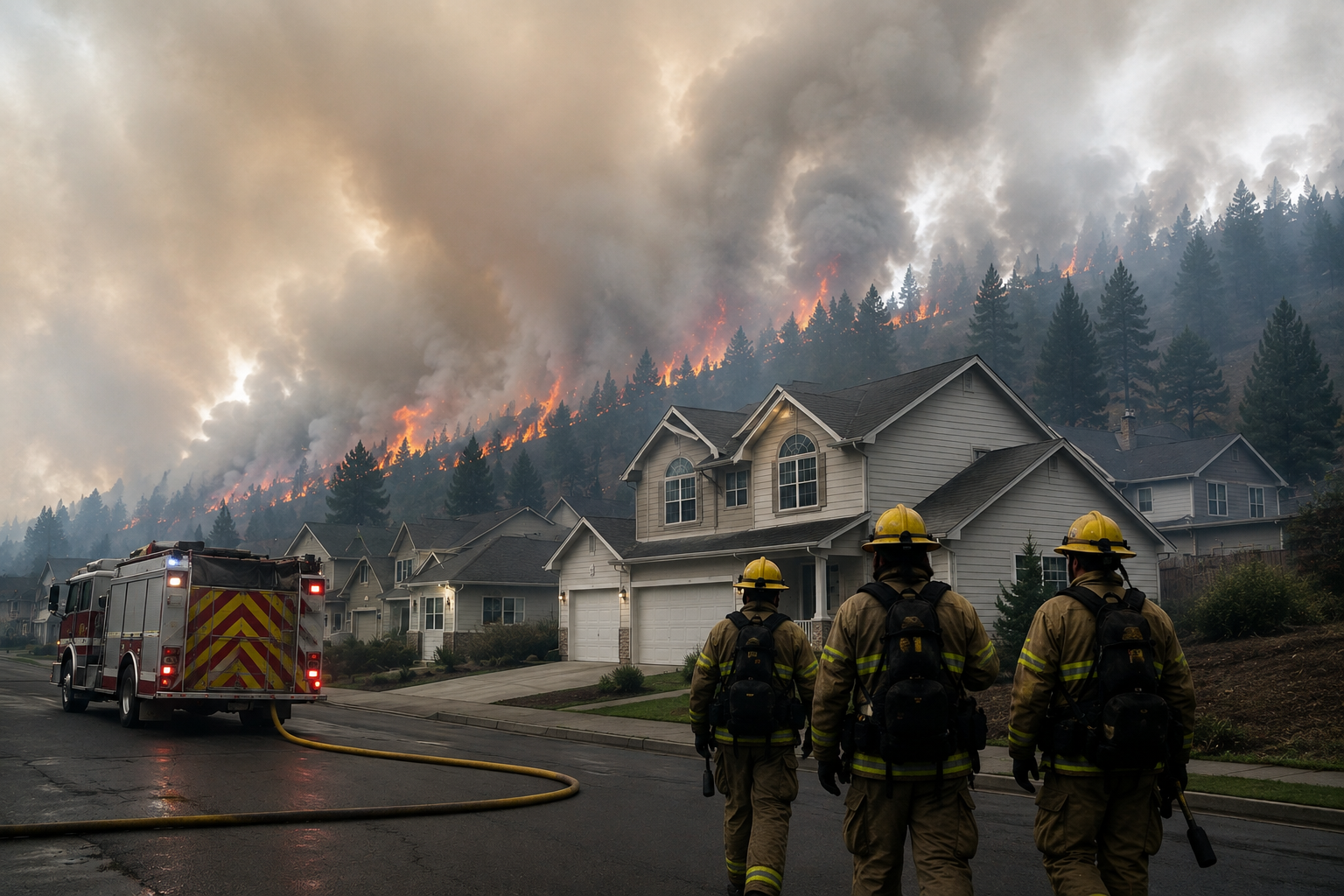

Today, August 3, 2026, Washington state is grappling with a rapidly deteriorating wildfire crisis that has already claimed hundreds of homes and displaced thousands of residents. The infernos, fueled by a combination of extreme heat and dry conditions, have transitioned from localized threats to a regional emergency, particularly across the eastern reaches of the state. As emergency services struggle to maintain pace with the fast-moving flames, the scale of the disaster is prompting a significant international response.
Residential Destruction and the Eastern Front
The human and economic toll of the current wildfire surge is becoming increasingly clear as damage assessments begin in areas where the fire has passed. The raging wildfires have already consumed hundreds of houses across Washington. The speed at which these fires are moving, often driven by erratic wind patterns, has left many residents with little time to salvage belongings as the blazes jump containment lines and move into residential corridors.
In Eastern Washington specifically, the situation has reached a critical threshold. The region is currently facing a dual threat of fire and infrastructure failure. The wildfires have sparked urgent evacuations across several counties, forcing families into temporary shelters as smoke plumes dominate the horizon. The concentration of the fires in the eastern part of the state highlights the extreme vulnerability of these communities to the current weather patterns.
Infrastructure Collapse and Power Grid Vulnerability
Beyond the loss of private property, the fires are systematically dismantling the region's infrastructure. The wildfires are sparking widespread power outages throughout Eastern Washington. These outages are not merely an inconvenience; they represent a significant hurdle for emergency management. Without reliable electricity, local water pumping stations, communication towers, and medical facilities face increased operational risks.
The intersection of fire lines with utility networks has created challenges where traditional emergency alerts may not reach all residents in real-time. While the specific number of residents currently without power has not been reported yet in today’s briefings, the disruption to the grid remains a primary concern for state officials attempting to coordinate evacuation routes and maintain public safety during the ongoing heatwave.
International Reinforcements and Global Cooperation
The scale of the crisis in the Pacific Northwest has necessitated the activation of international mutual aid agreements. On August 3, Australia dispatched specialist crews and craft to assist in the firefighting efforts across North America, including the active zones in Washington. This deployment includes highly trained personnel who specialize in large-scale aerial and ground-based fire suppression.
The arrival of Australian specialist craft is a critical development, as local resources are currently stretched to their limit. These international teams are joining a global effort, as similar wildfire crises are reported across Europe. The sharing of resources, such as specialized water-bombing aircraft and experienced incident management teams, has become a cornerstone of the response to this multi-continental fire season.