
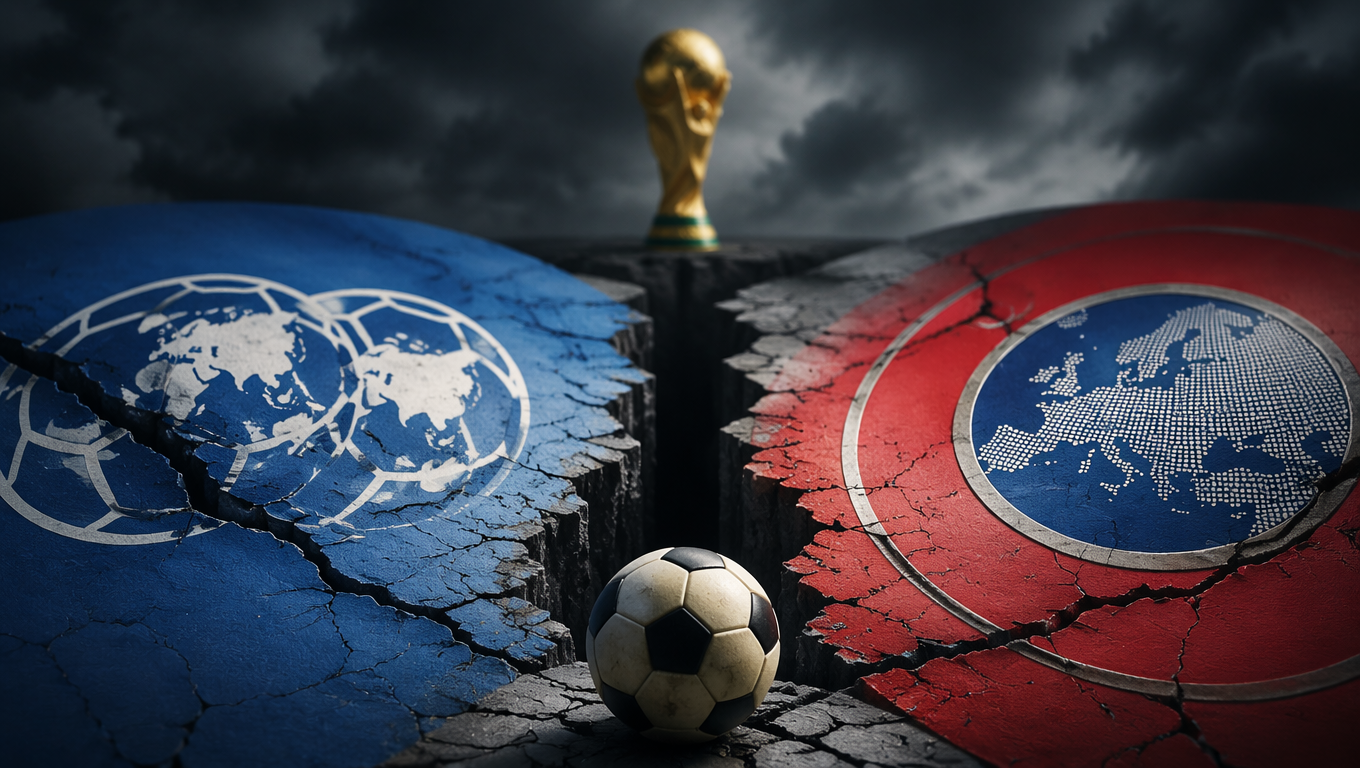

Today, July 31, 2026, the governing body of European football, UEFA(Union of European Football Associations), has brought the sport to the brink of an unprecedented schism. In a move that threatens to dismantle the existing structure of international competition, UEFA has officially threatened to boycott the FIFA World Cup. This dramatic escalation stems from intense opposition to a proposed "Commercial Investment Plan" that has divided the sport’s leadership and sparked a global governance crisis.
The Ultimatum from Nyon
The friction reached a boiling point this morning as reports confirmed that UEFA is prepared to withdraw its member nations from the World Cup. The primary catalyst for this move is FIFA’s controversial plan to restructure its commercial operations. While FIFA views these reforms as a necessary step for financial growth, UEFA leaders have characterized the proposal as an unacceptable commercialization of the game.
The scale of the opposition is significant, with all 55 member nations of UEFA signaling a unified front against the restructuring. The dispute centers on a private equity plan that would involve selling stakes in FIFA’s commercial interests to outside investors. This has prompted a fierce reaction from European associations, who have vowed to resist any move that treats the sport as a mere commodity. The threat of a boycott is being used as the ultimate leverage in a struggle over the long-term governance and financial independence of global football.
FIFA’s Defense: “Nobody is Selling Football”
FIFA has responded swiftly to the boycott threat. According to a report, The organization has dismissed claims that its reforms constitute a sale of the sport’s heritage. In a firm rebuttal to the European associations, FIFA officials stated:
“Nobody is selling football.”
FIFA’s leadership maintains that the proposed commercial reforms are designed to redistribute wealth more effectively across its 211 member associations to benefit the global game. However, this narrative has failed to gain traction with UEFA. The disagreement has now moved beyond mere policy debate into a fundamental struggle for control over the commercial rights of the world's most popular sport. As of this afternoon, the exact financial valuation of the proposed private equity stake has not been reported yet.
A Global Resistance and Sporting Stakes
The resistance to the commercial investment plan is no longer confined to Europe. Reports indicate that CONCACAF has also joined in opposition to the private equity proposal, suggesting a growing international coalition against the current FIFA administration's vision. This alignment creates a formidable bloc of football’s most lucrative markets standing in opposition to the executive’s trajectory.
The potential absence of European nations from the World Cup would be catastrophic for FIFA’s commercial partners and the tournament’s global prestige. A boycott would likely trigger complex legal and financial challenges for multi-billion dollar broadcasting and sponsorship contracts. As the standoff remains total, the next few days will determine whether FIFA’s commercial ambitions will lead to a historic schism in the beautiful game.