
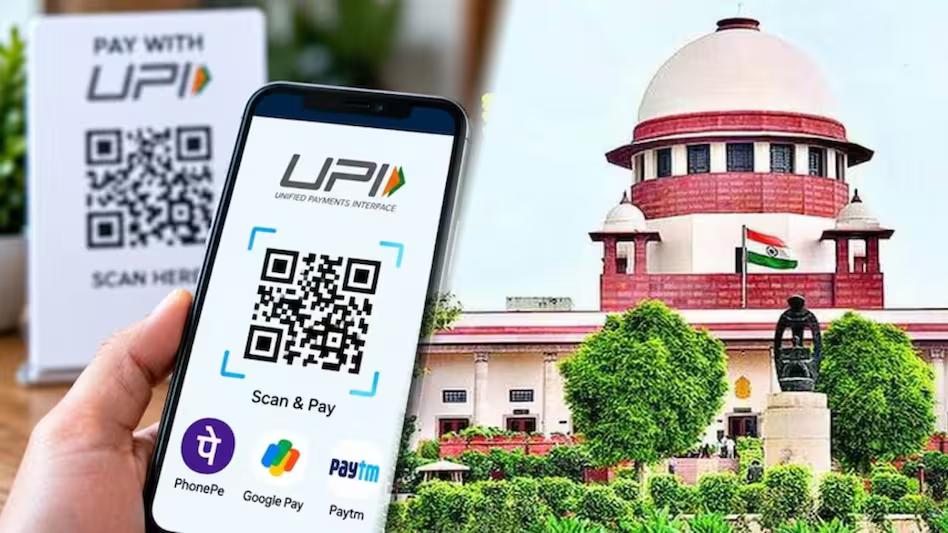

The Supreme Court has declined to grant an interim stay on the controversial implementation of a merchant discount rate (MDR) for digital payments, setting the stage for a deeper judicial review of India’s digital payments architecture.
The apex court has explicitly asked the Centre to explain the charges applied to Unified Payments Interface (UPI) transactions exceeding ₹2,000, while refusing to halt the decision for now.
Judicial Scrutiny and Official Responses
During the proceedings, the bench questioned the legal basis of the MDR framework. The court's refusal to grant an immediate interim stay allows the contested policy to proceed temporarily while responses are gathered.
In response to the petitions, the Supreme Court has issued formal notices to key stakeholders, including the central government, the Reserve Bank of India (RBI), and the National Payments Corporation of India (NPCI). According to reports, these notices require a comprehensive response from the government and the RBI within four weeks.
Market Implications for Digital Players
The ongoing legal challenge has thrown a spotlight on fintech firms operating within the domestic digital payments ecosystem. Market observers and financial analysts have placed companies like Paytm firmly in focus as the judicial review unfolds, given how changes to transaction fees can impact overall volume and monetization strategies for payment service providers.
The core of the matter centers on a 0.4% MDR applied specifically to person-to-merchant (P2M) transactions crossing the ₹2,000 threshold. While consumer-facing UPI transactions have largely enjoyed zero-fee structures, the introduction and defense of merchant-side charges have ignited a debate over the economics of sustaining India's massive digital public infrastructure.