
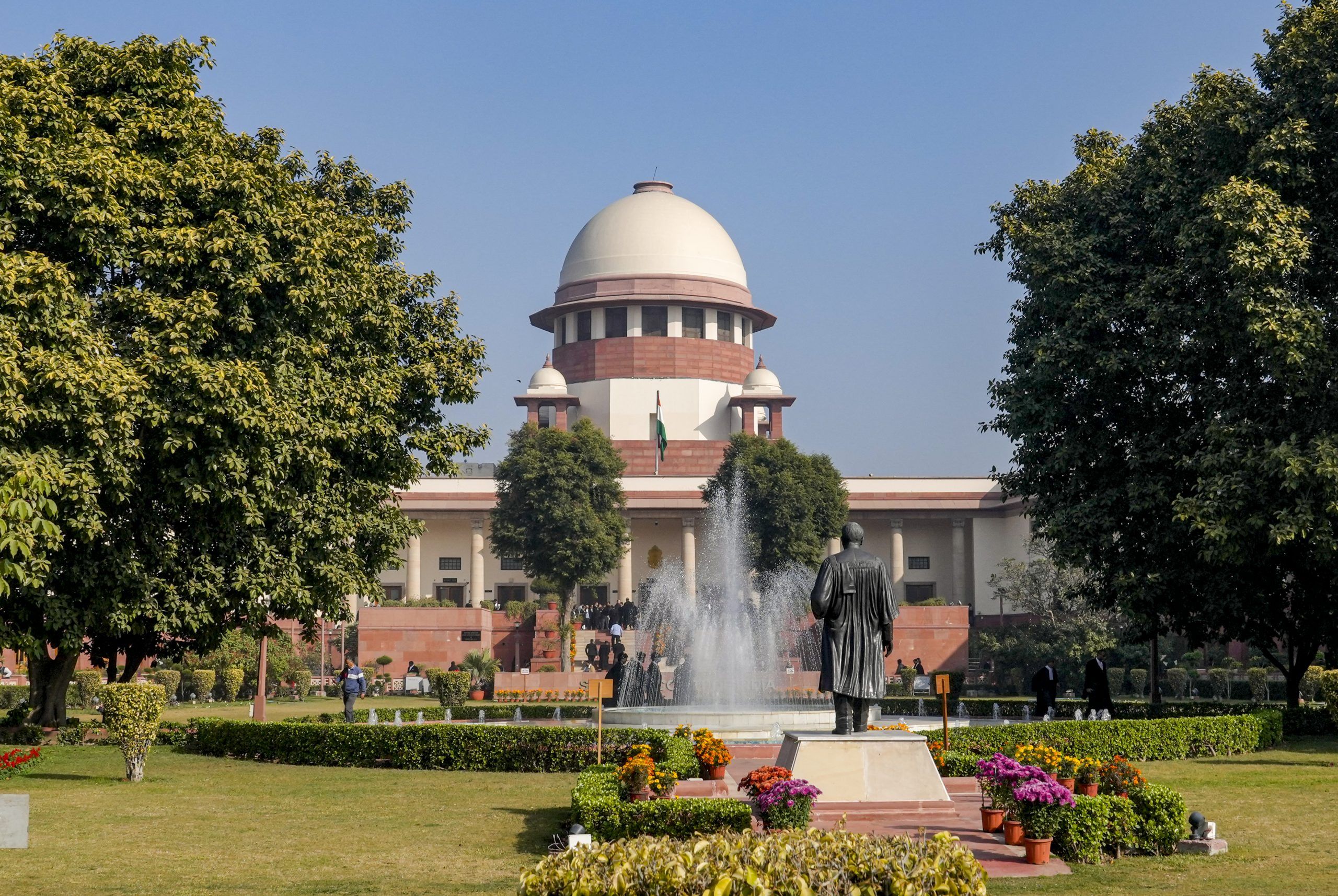

The Supreme Court has signaled that it may extend its court-monitored actions against unauthorized land-use changes and illegal constructions in Delhi to encompass safety standards for student accommodations. This prospective judicial intervention follows a tragic incident in Satya Niketan, where an illegally constructed paying guest (PG) building collapsed, resulting in the deaths of seven individuals, according to reports.
Demands for Time-Bound Audits and Pan-India Norms
In the wake of the Satya Niketan disaster, the Supreme Court-appointed Amicus Curiae has actively sought to broaden the ongoing inspection drive. The Amicus Curiae pushed for a time-bound audit focusing specifically on PGs and student hostels situated near colleges.
Legal proceedings are set to advance further, with the Supreme Court scheduled to hear the case. According to reports, the apex court may contemplate implementing pan-India building safety checks and uniform safety norms for student accommodations. Signaling a potentially broader mandate, the bench noted during proceedings that it "has something in mind," hinting at sweeping measures regarding PG safety nationwide. Furthermore, The bench is considering transferring the case from the Delhi High Court.
Institutional Scrutiny and Related PILs
Simultaneously, institutional pressure regarding student housing is mounting across other judicial forums in the capital. The Delhi High Court has issued a formal notice to both the government and Delhi University (DU) in response to a Public Interest Litigation (PIL) that specifically seeks adequate hostels for students.
While the Delhi High Court addresses local availability and institutional accountability, the Supreme Court's impending deliberations suggest a much broader regulatory reckoning. The focus remains heavily locked on plugging dangerous regulatory loopholes that permit unauthorized, hazardous residential setups to operate in close proximity to major educational hubs.