
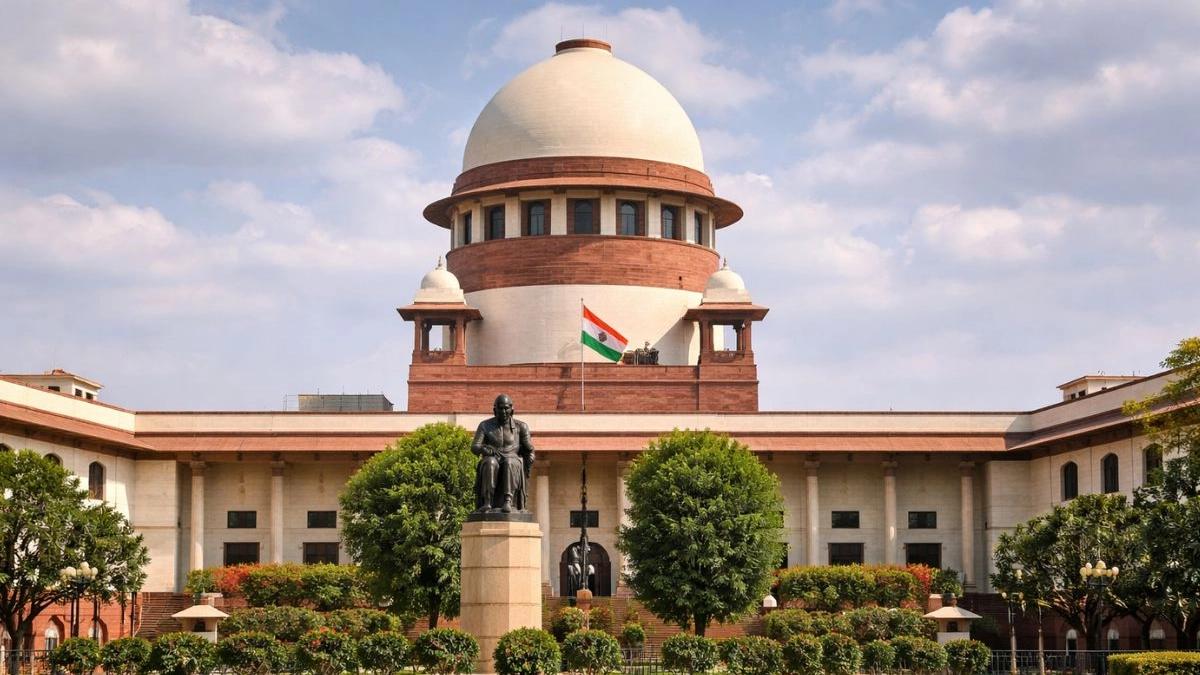

The Supreme Court of India has stepped into a vital constitutional debate regarding individual liberty and civic obligations. The apex court is examining whether individuals can face criminal action and penal consequences for refusing to sing Vande Mataram on grounds of conscience or religion, according to recent legal proceedings.
Examining Conscientious Objection and Penal Action
The Supreme Court stated that the state cannot subject "conscientious" objectors to penal action for refusing to sing the national song. The bench conveyed to the Centre that it hopes no action is taken against those who decline to sing Vande Mataram for religious reasons, emphasizing that such refusals should not invite criminal consequences or prosecution. Legal commentators, highlighted the court's stance that those refusing to participate on religious grounds deserve protection from punitive measures.
Scope of the Judicial Review
While the judiciary has intervened to shield objectors from criminal liability, the legal discourse maintains specific boundaries. The Supreme Court declined to examine the song’s status as the national song, choosing instead to focus strictly on the legality of penalizing citizens who opt out. Additionally, the court sought the Centre's reply to a separate plea challenging mandates requiring the singing of all six stanzas of Vande Mataram at public gatherings.
Looking Ahead
The position taken by the Supreme Court signals a strong judicial protection for individual belief systems against state-mandated expressions of patriotism. By separating the broader national status of the song from the punitive treatment of dissenters, the bench is steering the legal conversation toward fundamental freedoms.