
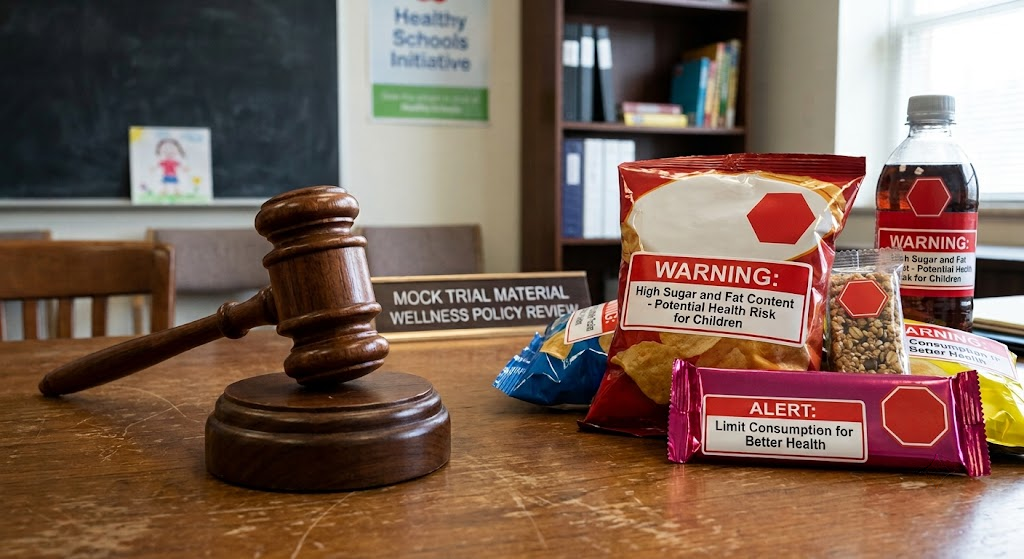

The Supreme Court has stepped up pressure on the Food Safety and Standards Authority of India (FSSAI), demanding a clear timeline for the rollout of front-of-pack food warning labels. As per report, the apex court's recent hearings focus heavily on tightening regulations for junk-food labelling while concurrently calling for enhanced nutritional literacy in schools.
Gaps in Labelling and the Push for Strict Warnings
During the proceedings, the Supreme Court flagged critical gaps in the FSSAI's current food labelling practices, noting that children remain particularly at risk. According to reports, the bench directed a series of 13 specific questions to the regulatory body, pressing authorities on the exact thresholds used to define "high" levels of sugar, salt, and fat.
Legal and industry observers note that the debate centers around implementing prominent warning frameworks, such as red hexagon markers indicating high fat, sugar, or salt content. While the FSSAI has indicated openness to stricter warning labels, the judiciary's intervention underscores mounting impatience with delays in finalizing an effective framework. Previous remarks from the bench, bluntly questioned whether regulatory hesitance implies a lack of commitment to public health.
Nutritional Literacy in Schools
Beyond commercial packaging, the Supreme Court's directives extend directly into educational institutions. The bench emphasized that regulatory warnings alone are insufficient without foundational change, calling for structured nutritional literacy programs inside schools. By targeting children's education alongside stricter corporate labelling, the court aims to combat rising lifestyle diseases and dietary risks early in life.
Details on the exact mechanism for implementing these educational mandates alongside the commercial rollout have not been reported yet. However, the regulatory body is expected to respond with comprehensive details and a concrete schedule addressing the court's 13 queries.