
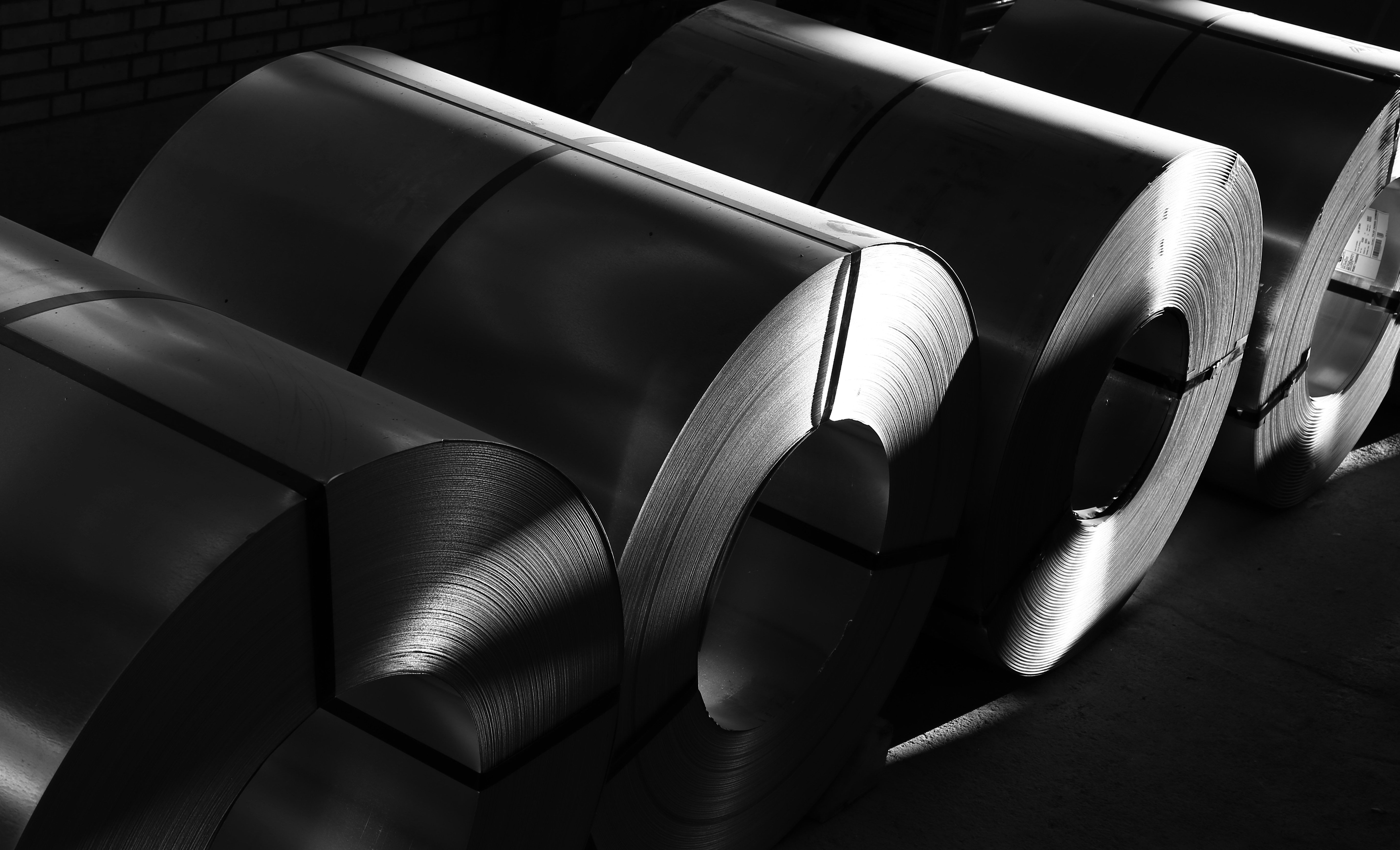

New Delhi: India’s steel sector has begun FY 2026-27 on a firm footing, sustaining its growth momentum in April with solid gains in production, consumption and prices. The latest provisional data underscores a resilient domestic demand environment, supported by infrastructure expansion, and steady manufacturing activity, even as the industry navigates rising input costs and evolving global trade patterns.
Crude steel output rose 5.8% year-on-year in April 2026 to 14.09 million tonnes, reflecting stable capacity utilisation across major producers. Finished steel production grew 3.4% to 13.05 million tonnes, while consumption surged 8.1% to 12.99 million tonnes, signalling robust end-user demand across construction, infrastructure and engineering sectors. The divergence between production and consumption growth highlights tightening domestic supply-demand dynamics, which in turn supported price recovery during the month.
Trade flows indicate a nuanced shift. India remained a marginal net importer, with imports rising sharply by 30.8% year-on-year to 0.68 million tonnes, while exports increased 24.9% to 0.47 million tonnes. This simultaneous rise suggests both strong domestic absorption and competitive positioning in select overseas markets, although it also points to selective reliance on imported grades.
Capacity expansion continues to underpin the sector’s long-term trajectory. With total installed capacity nearing 220 MTPA in FY 2025-26, the industry remains on course to meet the National Steel Policy target of 300 MTPA by 2030. Large integrated players are accelerating brownfield and greenfield projects, while new investments in scrap-based electric arc furnace technology are gaining prominence. The commissioning of a ₹3,200 crore green steel plant in Ludhiana marks a notable step in diversifying production routes and reducing carbon intensity.
Parallelly, the government-backed green steel initiative is gathering pace. Certification of 90 producers across 15 states, with a majority achieving the highest rating, indicates early but meaningful adoption of sustainability benchmarks, particularly among secondary and mid-sized manufacturers. This transition is expected to reshape competitiveness as global markets increasingly prioritise low-carbon steel.
Price Recovery, Cost Pressures
Steel prices extended their recovery in April, reversing months of subdued trends. Long products such as TMT bars recorded a 2.6% month-on-month increase and returned to positive territory with a 3% year-on-year gain. Flat products saw stronger momentum, with hot-rolled coils and galvanised sheets rising 6.3% and 7.3% respectively, driven by improved demand visibility and restocking activity.
However, the pricing environment is being shaped as much by costs as by demand. Domestic iron ore prices rose sharply by 10-11% month-on-month, reflecting higher offtake by steelmakers. While global iron ore benchmarks remained relatively stable, coking coal prices continued their upward trajectory, sustaining pressure on blast furnace-based producers. In contrast, international scrap prices remained largely flat, offering relative stability for electric arc furnace operators and reinforcing the strategic importance of the scrap-based route.
The interplay between rising input costs and improving realisations will be critical in determining margins in the coming quarters. Producers are likely to focus on operational efficiencies, raw material sourcing strategies and product mix optimisation to protect profitability.
Looking ahead, the sector’s outlook remains constructive, anchored by government-led infrastructure spending and a gradual pickup in private capital expenditure. Yet, uncertainties around energy costs, raw material volatility and global trade flows could test resilience. The industry’s ability to balance growth ambitions with cost discipline and sustainability commitments will define its trajectory in FY 2026-27.
(Cover photo by Morteza Mohammadi on Unsplash)