
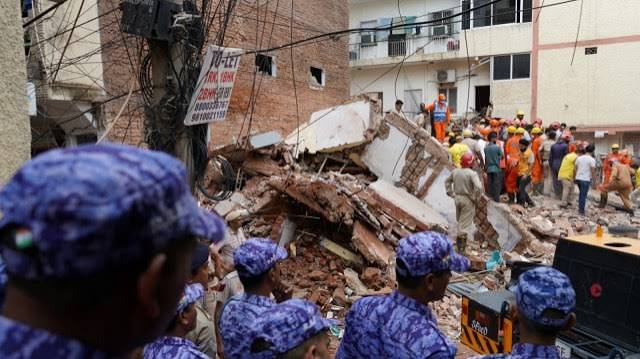

The recent tragedy in Delhi's Satya Niketan has laid bare the grim realities of the capital's unregulated student housing economy. As debris from the collapsed structure was cleared, investigations into the fatal incident quickly intensified, bringing to light severe violations, illegal construction practices, and a systemic lack of safety audits across paying guest (PG) accommodations.
Arrests and Accountability as Investigations Intensify
As investigations into the disaster deepen, law enforcement has taken decisive action against those allegedly responsible. According to reports, the wife and son of the Satya Niketan building owner have been arrested.
Further scrutiny into the property's origins revealed gross negligence. Details shared in ongoing coverage note that a retired Indian Air Force (IAF) sergeant and his brother had constructed four illegal floors on the building despite being fully aware of the structural risks involved. With the death toll reaching seven, accountability measures are expanding, with officials also facing potential action over administrative oversights that allowed such hazardous structures to proliferate.
Unregulated PGs and the Delhi University Student Safety Crisis
Beyond the immediate legal fallout, the Satya Niketan collapse has ignited intense outrage among Delhi University (DU) students. Reports on the area’s student housing ecosystem paint a harrowing picture, highlighting dilapidated PGs, severe electrical wire hazards, and a general lack of basic safety measures.
In the wake of the disaster, students have stepped up demands for institutional accountability, safe accommodation alternatives, and immediate safety steps. The incident has cast a harsh spotlight on a severe hostel shortage within the university ecosystem, which forces thousands of students into vulnerable, unregulated private housing options daily.
A Wider Pattern of Dangerous Construction Violations
The catastrophe in Satya Niketan is far from an isolated incident. The collapse reflects a recurring pattern, with multiple similar incidents across urban centres highlighting the serious risks posed by illegal construction practices and weak regulatory enforcement.
As urban local bodies face mounting pressure to crack down on unauthorized vertical expansions and compromised residential spaces, the tragedy serves as a grim warning. Without stringent safety audits and a sweeping overhaul of the student rental market, the race to power and profit in Delhi's real estate sector will continue to exact a heavy human toll.