
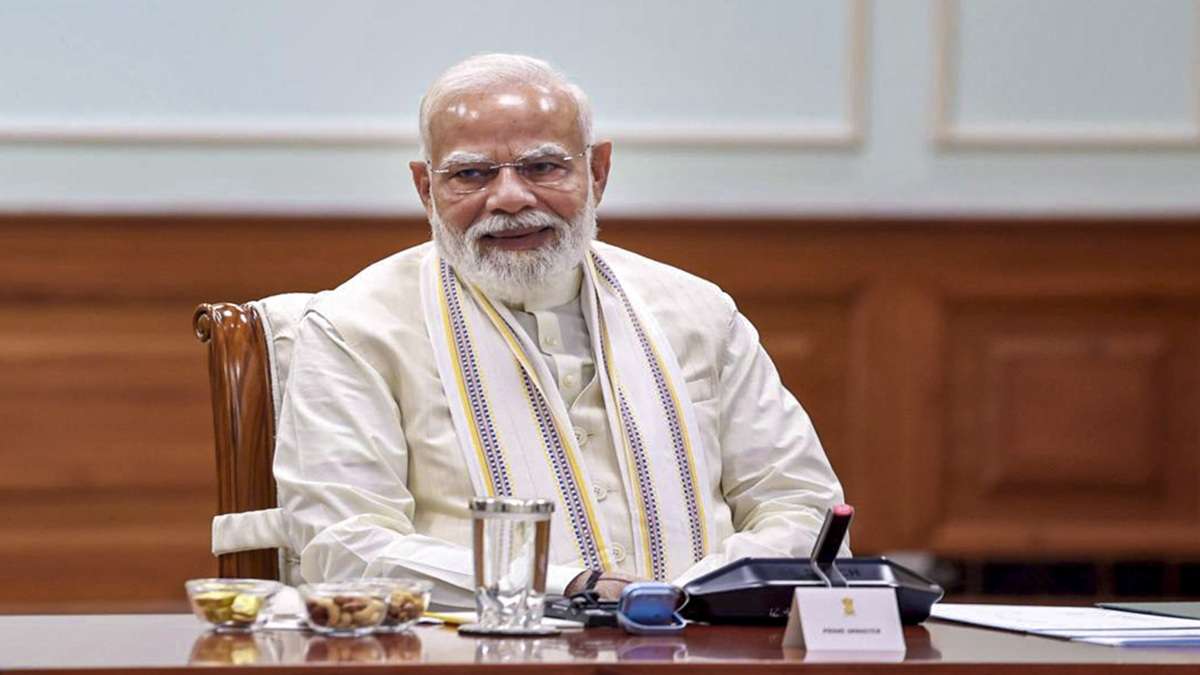

Prime Minister Narendra Modi chaired the 53rd PRAGATI meeting, where he reviewed critical infrastructure projects valued at over ₹30,000 crore. As per reports, the high-level review centered on balancing accelerated project execution with stringent standards of quality.
Demanding Rigor in Execution
During the 53rd iteration of the Proro-Active Governance and Timely Implementation (PRAGATI) platform, Prime Minister Modi emphasized the critical need for speed coupled with durability across all monitored developments. According to reports, the Prime Minister expressed strong dissatisfaction regarding lapses in execution standards, directly questioning government secretaries over the quality of infrastructure projects. The dialogue underscored a growing administrative push for accountability at the highest bureaucratic levels to ensure that public investments yield long-lasting national assets.
The Scope of PRAGATI Tracking
The latest review session builds upon a consistent framework of periodic evaluations that routinely monitor high-value national investments. Previous sessions, such as the 52nd PRAGATI meeting chaired earlier in the year, similarly targeted major project portfolios exceeding the ₹30,000 crore threshold to invigorate economic momentum and streamline inter-ministerial bottlenecks. By leveraging the PRAGATI digital infrastructure, the central government continues to track long-delayed or complex multi-sectoral initiatives in real-time, holding state and central agencies to strict delivery timelines.
Focus on Quality Control and Bureaucratic Accountability
The core message emerging from the 53rd meeting is a zero-tolerance approach toward substandard execution in public works. By directly addressing secretaries and demanding meticulous oversight, the leadership is signaling that speed cannot come at the expense of structural integrity. As India continues to channel massive capital into building robust physical networks, institutional mechanisms like PRAGATI remain pivotal in eliminating red tape, resolving friction points, and ensuring transparent, efficient public asset creation.