
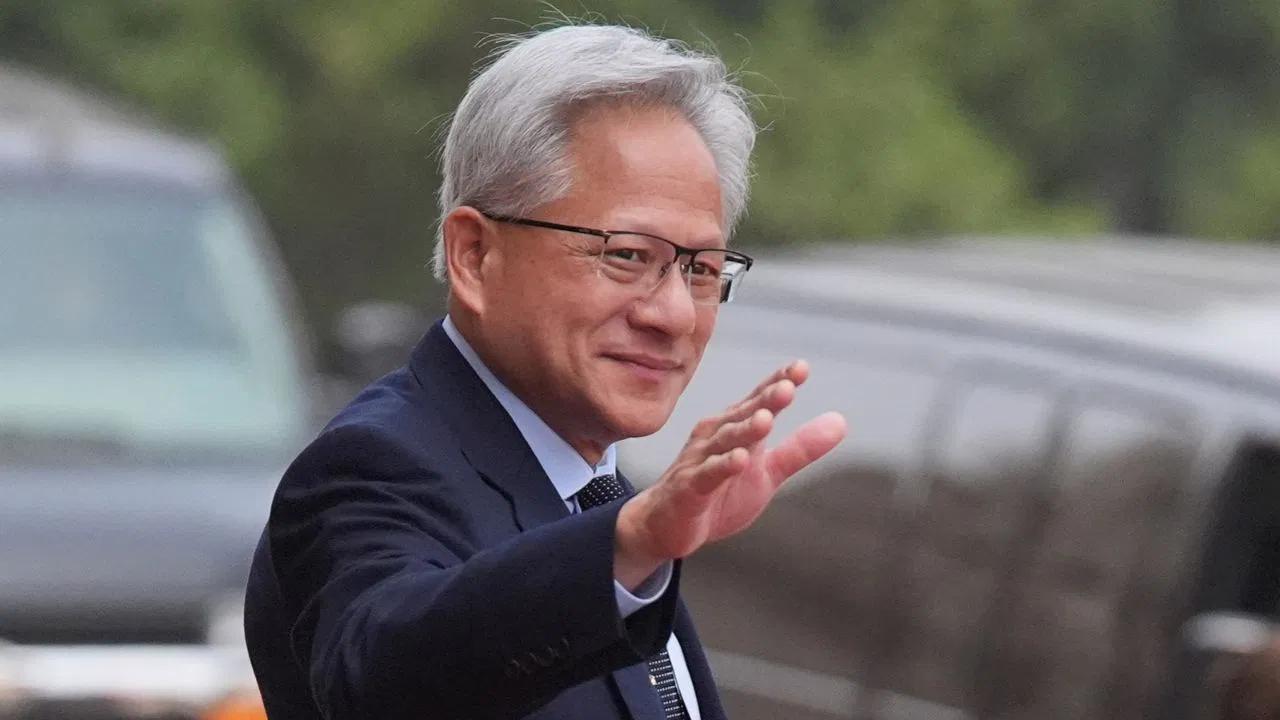

The global technology sector faces a seismic shift today following the sudden resignation of Nvidia co-founder Jensen Huang. As per reports, Huang has stepped down as CEO with "effective immediately" status amid developing boardroom controversy and reports concerning an affair with a Chinese spy.
The abrupt departure marks a dramatic turning point for the microchip titan. Huang, who co-founded NVIDIA in 1993, has long been synonymous with the company's unprecedented rise and dominance in the semiconductor industry. The leadership vacuum at one of the world's most valuable tech firms has sent shockwaves through global markets.
The Catalyst and Boardroom Pressure
The departure follows intense behind-the-scenes friction. According to developing reports, the company's board was actively considering removing Huang amid controversy surrounding his personal relationships. While historical analyses of corporate governance, such as upcoming legal frameworks on superstar CEOs by scholars like C. Wang, often highlight the difficulties of checking executive power, this swift ouster demonstrates that even foundational leaders are not immune to acute boardroom pressures.
In the wake of the announcement, external suitors have already begun signaling interest. Notably, reports indicate that Elon Musk is ready to "hire" Huang, potentially setting up a high-stakes scramble for the semiconductor visionary's next professional chapter if he chooses to remain in the tech ecosystem.
Navigating the Immediate Leadership Vacuum
With Huang's immediate exit, Nvidia faces the monumental task of stabilizing operations without its longtime chief executive. Historical accounts of Nvidia's corporate culture, documented extensively by industry authors, have credited Huang with spearheading overhauls of the company's product lines and navigating complex geopolitical environments.
Details on this aspect have not been reported yet regarding a permanent successor or the exact composition of the interim leadership team tasked with steering the company through this unprecedented crisis. However, the immediate priority for the board will be reassuring institutional shareholders, enterprise clients, and global regulators