
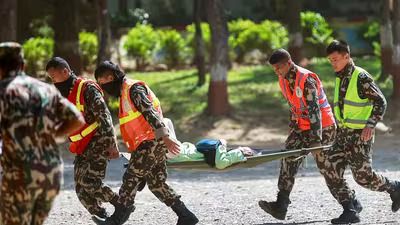

As Nepal faces a catastrophic natural disaster with the flood death toll approaching 500, the government has made the contentious decision to decline offers of foreign search-and-rescue assistance. According to reports, major global powers, including immediate neighbors India and China, as well as the United States, have seen their offers for deployment turned down, drawing significant diplomatic and disaster-response attention.
The Scale of the Disaster and Refusal of Aid
The humanitarian situation in the country remains dire. Recent updates from regional tracking indicate that the death toll has climbed toward 500 lives lost, with reporting highlighting figures reaching up to 469 victims. Simultaneously, the count of missing individuals continues to surge past the thousands.
Despite the overwhelming strain on local infrastructure and the sheer magnitude of the flash floods, which have also impacted the Nepal-China border region, Kathmandu has chosen to rely solely on domestic resources. The national stance is clear: "Don’t need help."
The 2015 Precedent and Strategic Calculus
The refusal of international search-and-rescue teams is not an arbitrary rejection of goodwill, but a calculated decision informed by historical precedent. According to analysis, the strategy is heavily rooted in lessons learned from the devastating 2015 earthquake.
During the 2015 crisis, the influx of international rescue operations, foreign personnel, and unstructured aid complicated local command structures, logistical coordination, and sovereignty protocols. By turning away foreign teams this time around, even from major strategic partners like India and China, Nepal’s policy reflects a deliberate shift toward managing domestic disaster relief through internal civil-defense mechanisms.
Diplomatic and Operational Implications
This refusal carries substantial diplomatic weight, particularly given the geopolitical sensitivities involving India and China, both of which maintain active disaster response frameworks in the Himalayan region. While local security forces and domestic disaster units push forward with search-and-recovery operations under extreme conditions, the decision puts immense pressure on Nepal’s internal capacity. With risks of further flooding still looming, the government's resolve to handle the crisis independently will test its institutional preparedness in the face of escalating climate-induced catastrophes.