
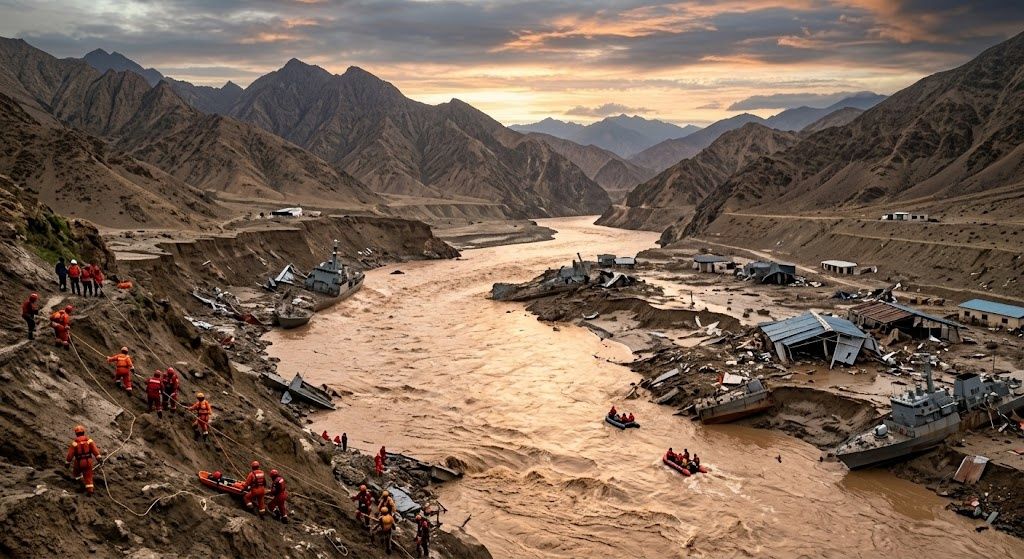

Nepal is currently grappling with a severe humanitarian crisis as the death toll from catastrophic flash floods crosses the grim milestone of 1,000. Seven days after the deadly disaster struck, ongoing rescue and recovery efforts continue to face monumental hurdles, particularly as search operations extend into isolated regions.
Escalating Casualties and Missing Persons
As of early September 2026, the scale of the disaster continues to unfold with alarming statistics. According to reports, the death toll has officially topped 1,000, while a staggering 3,916 people remain missing. The immense disparity between confirmed fatalities and missing individuals underscores the widespread nature of the catastrophe, leaving thousands of families awaiting news of their loved ones.
Difficult Terrain Hampers Remote Access
Search and rescue teams are currently working around the clock under arduous conditions. Rescue personnel have managed to push deeper into remote areas over the past week. However, the country's rugged geography and damaged infrastructure continue to significantly hamper operations. Seven days after the initial deluge, crews are still fighting to clear blocked routes and establish communication lines with cut-off communities, making the delivery of emergency aid a complex logistical challenge.
Ongoing Operations and Humanitarian Outlook
While details regarding specific structural entrapments or hydropower tunnel operations are not exhaustively quantified in current official briefs, overarching reports emphasize that large-scale search teams are aggressively combing through affected zones. The crisis stands as one of the most severe weather-related emergencies to hit the region in recent memory, demanding sustained domestic and international mobilization to address the vast numbers of displaced and missing citizens.