
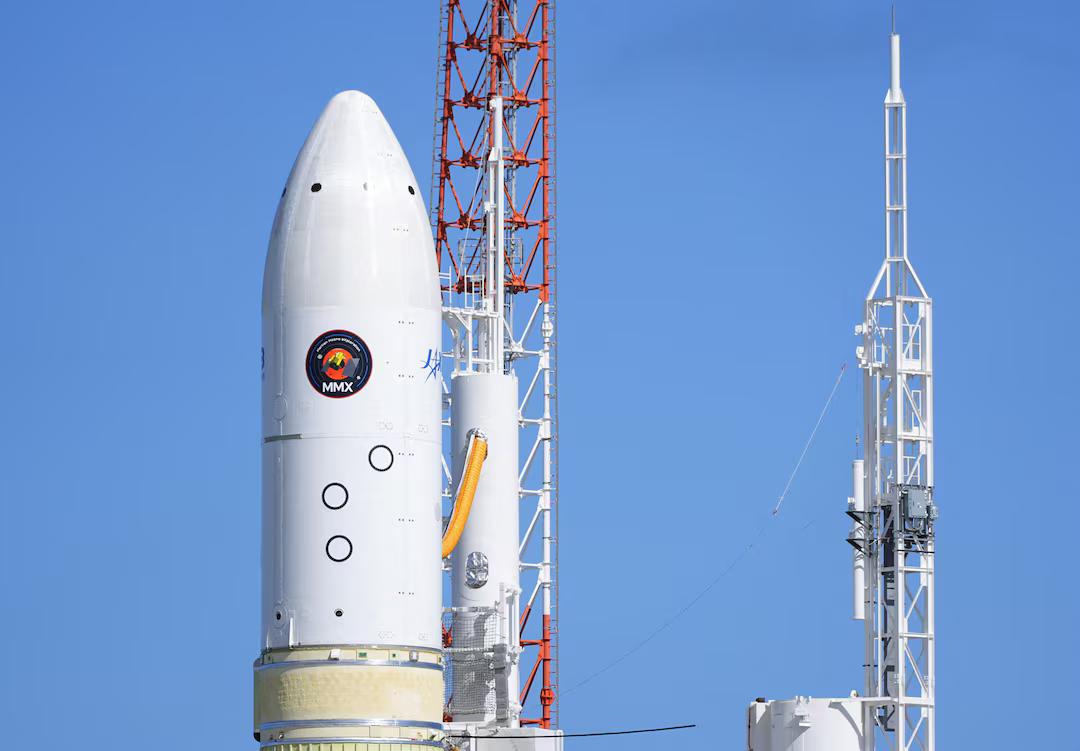

Japan has officially embarked on a groundbreaking interplanetary endeavor. As per reports, the nation has launched its historic space mission aimed at collecting samples from Phobos, one of Mars' moons, and returning them safely back to Earth.
The MMX Spacecraft and Launch Details
The ambitious mission features the Martian Moons eXploration (MMX) spacecraft, which was successfully launched today aboard an H3 rocket. According to reports, this historic space initiative carries an estimated price tag of $578 million.
The primary objective of the MMX mission is to travel to the Martian system, land on the surface of Phobos, and gather pristine material samples. If everything goes according to the planned timeline, the spacecraft is expected to successfully bring these invaluable extraterrestrial samples back to Earth by 2031.
Scientific Significance and Objectives
The scientific community is closely watching the MMX venture because it holds the potential to unlock profound secrets about planetary evolution. By retrieving material directly from Phobos, researchers aim to answer long-standing questions regarding the origins of Mars’ moons.
Furthermore, data and samples gathered from this mission are expected to provide crucial clues about the formation and early history of our solar system. The monumental nature of this exploratory undertaking, positioning it as a cornerstone of modern planetary science.
Looking Ahead to 2031
With the spacecraft now successfully underway following its liftoff, the mission enters its prolonged transit and operational phase. Over the next several years, space agencies and scientists will monitor the trajectory of the MMX probe as it journeys toward the Red Planet. The culmination of this historic endeavor, the sample return slated for 2031, promises to redefine our understanding of Martian orbital dynamics and planetary origins.