
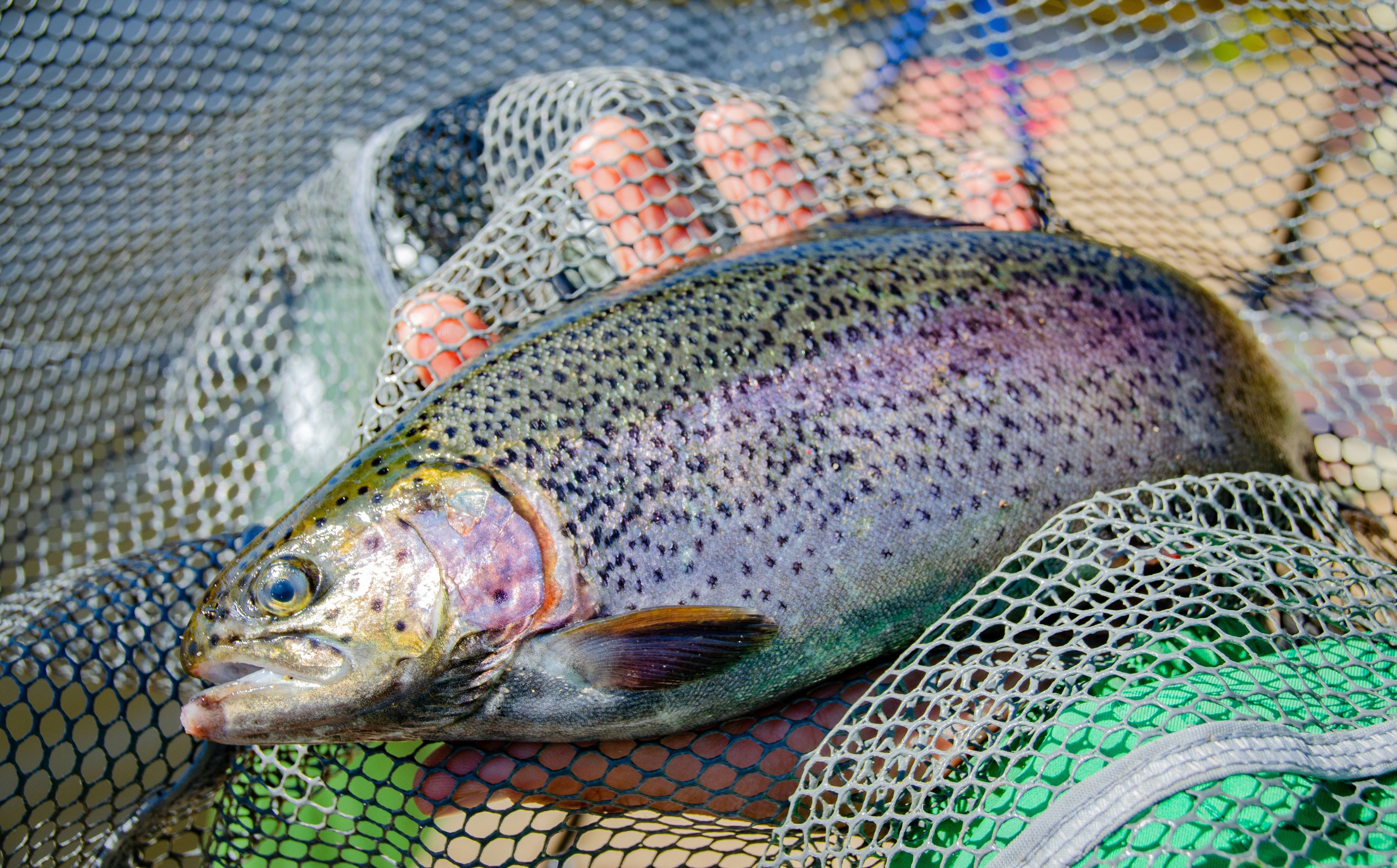

New Delhi: India’s cold water fisheries sector is rapidly emerging as one of the most promising frontiers of the country’s Blue Economy, transforming fragile mountain ecosystems into hubs of high-value aquaculture, rural enterprise and sustainable tourism. Once confined to subsistence fishing in Himalayan streams, the sector has evolved into a modern aquaculture ecosystem driven by scientific farming, government investment and growing consumer demand for premium fish varieties such as rainbow trout and golden mahseer.
Spread across more than 5.33 lakh sq. km of mountainous terrain, cold water fisheries are now gaining strategic economic importance in states and Union Territories including Jammu & Kashmir, Ladakh, Himachal Pradesh, Uttarakhand, Arunachal Pradesh, Sikkim, Meghalaya and Nagaland, along with the hill districts of West Bengal, Kerala, Karnataka and Tamil Nadu. These fisheries operate in snow-fed rivers, lakes and reservoirs where temperatures range between 5°C and 25°C, dissolved oxygen remains above 6 mg/L and pH levels stay within ideal biological parameters.
The sector’s economic rise mirrors the larger shift underway in India’s fisheries landscape. India’s total fish production reached nearly 197.75 lakh tonnes during 2024-25, reinforcing its position among the world’s leading fish producing nations. Within this, cold water fisheries currently contribute close to 3% of inland fish production, but their strategic significance far outweighs their share in volume. Premium pricing, export potential, eco-tourism linkages and climate-resilient livelihoods have turned cold water aquaculture into a high-value niche with long-term commercial potential.
Rainbow trout has emerged as the flagship species of this transformation. National trout production has increased nearly 1.8 times over the past decade to around 6,000 metric tonnes during 2024-25. Jammu & Kashmir has become India’s undisputed trout capital, recording around 3,010 MT production during 2025-26, supported by the iconic Kokernag hatchery and more than 2,000 private trout farming units. Himachal Pradesh has also established itself as a major player with production of around 1,673 MT supported by 909 trout farmers and 1,739 farming units. Uttarakhand, meanwhile, has expanded nearly 2,500 raceways and recorded around 710 MT trout production during 2024-25.
The sector’s expansion is also reshaping mountain livelihoods. Across cold-water states, more than 23.51 lakh families have received livelihood support while 33.78 lakh fishers have been brought under insurance coverage. In Jammu & Kashmir alone, over 31,000 registered fishers and fish farmers are now connected to the fisheries economy.
Infrastructure Push Accelerates
The rapid commercialisation of cold water fisheries has been underpinned by unprecedented public investment and infrastructure development. The Centre’s flagship Pradhan Mantri Matsya Sampada Yojana (PMMSY) has emerged as the principal growth driver, approving projects worth ₹21,963.48 crore during 2020-26, including over ₹5,638.76 crore specifically for cold-water states.
The scale of infrastructure creation reflects the government’s intent to transform the sector into a commercially viable aquaculture industry. Investments under PMMSY include 5,663 raceways, 54 trout hatcheries, 13 large re-circulatory aquaculture system (RAS) units, 16 medium RAS units and 36 small RAS facilities. Nearly 4,600 ponds have been sanctioned across Himalayan and North Eastern regions alongside 293 cold storages and 8,366 transport vehicles aimed at strengthening logistics and market connectivity.
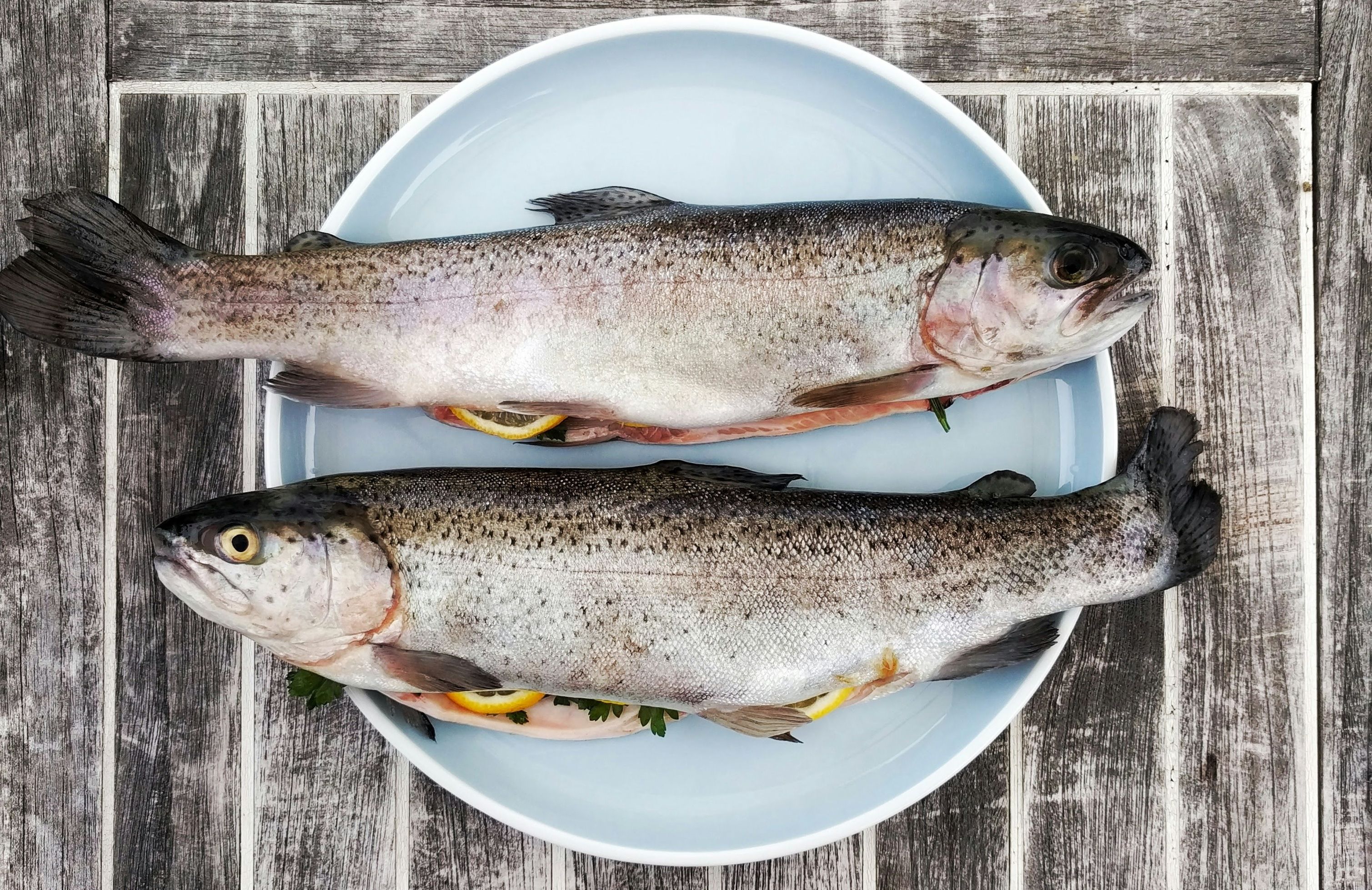
Species such as snow trout and golden mahseer are being promoted not only for commercial value but also for conservation and river restoration initiatives. (Photo by Gregor Moser on Unsplash)
State-level investments are also accelerating. Uttarakhand has received projects worth ₹317.25 crore while Himachal Pradesh and Jammu & Kashmir secured ₹155.48 crore and ₹149.73 crore respectively. Ladakh, despite its harsh climatic conditions and shorter production cycles, has received ₹33.49 crore to support hatcheries, raceways and reservoir stocking programmes.
The Fisheries and Aquaculture Infrastructure Development Fund has further expanded financing support with approvals worth ₹7,761.78 crore during 2018-26. Combined with the earlier Blue Revolution Scheme, these investments laid the groundwork for scientific trout farming, hatchery expansion and reservoir management in high-altitude regions.
Integrated Aqua Parks are now emerging as critical growth centres for the sector. Facilities at Anantnag in Jammu & Kashmir, Udham Singh Nagar in Uttarakhand, Ziro in Arunachal Pradesh and Mokokchung in Nagaland are creating integrated fisheries ecosystems equipped with hatcheries, cold chain systems, fish processing infrastructure and value addition units. Simultaneously, four dedicated cold water fishery clusters at Anantnag, Pithoragarh, Kullu and Kargil are expected to function as regional aquaculture growth corridors.
Technology adoption is also changing the economics of production. Farmers in hill regions are increasingly deploying RAS and biofloc systems to reduce water consumption and improve productivity. Pilot projects in Kerala’s Wayanad, Tamil Nadu’s Nilgiris and Karnataka’s Uttara Kannada demonstrate how cold water aquaculture is expanding beyond the Himalayan belt into southern hill ecosystems.
Sustainability Drives Growth
India’s cold water fisheries sector is increasingly being positioned not merely as an aquaculture activity but as a strategic instrument for sustainable mountain development. The sector combines biodiversity conservation, nutrition security, climate adaptation and eco-tourism within a single economic framework.
India has identified more than 278 cold-water fish species, making the sector crucial for preserving fragile freshwater biodiversity. Species such as golden mahseer and snow trout are being promoted not only for commercial value but also for conservation and river restoration initiatives. Himachal Pradesh has already achieved captive breeding of golden mahseer, a milestone considered significant for both ecological sustainability and sport fisheries tourism.
Policy support has broadened considerably in recent years. Alongside PMMSY and the PM-MKSSY scheme with its ₹6,000 crore outlay, the government has extended Kisan Credit Card facilities to fishers and introduced Model Guidelines for Cold Water Fisheries Development, 2026. The guidelines cover hatchery standards, disease management, biosecurity, branding, certification and digital marketing frameworks aimed at formalising the sector.
The emergence of fishery startups is adding a new layer of commercial sophistication. Companies are introducing drone-enabled logistics, smart feeding systems, digital traceability tools and mobile-based marketing platforms connecting remote fish farmers directly with consumers. Cooperatives, self-help groups and NGOs are simultaneously strengthening cluster-based production and women’s participation in fisheries entrepreneurship.
International collaboration is also becoming central to India’s strategy. Partnerships with Norway and Iceland are facilitating knowledge exchange in hatchery management, sustainable aquaculture systems, disease control and export-oriented production models. These collaborations are expected to improve productivity standards and enhance India’s competitiveness in premium cold-water fish markets.
The significance of India’s cold water fisheries lies in their ability to convert ecological assets into sustainable economic capital. In a country where climate vulnerability and rural distress remain persistent concerns, the sector offers a rare convergence of environmental sustainability and commercial viability. As infrastructure deepens, scientific farming expands and consumer demand for premium protein rises, cold water fisheries are steadily positioning themselves as one of the most dynamic pillars of India’s evolving Blue Economy.
(Cover photo by Eugene Samarin on Unsplash)