
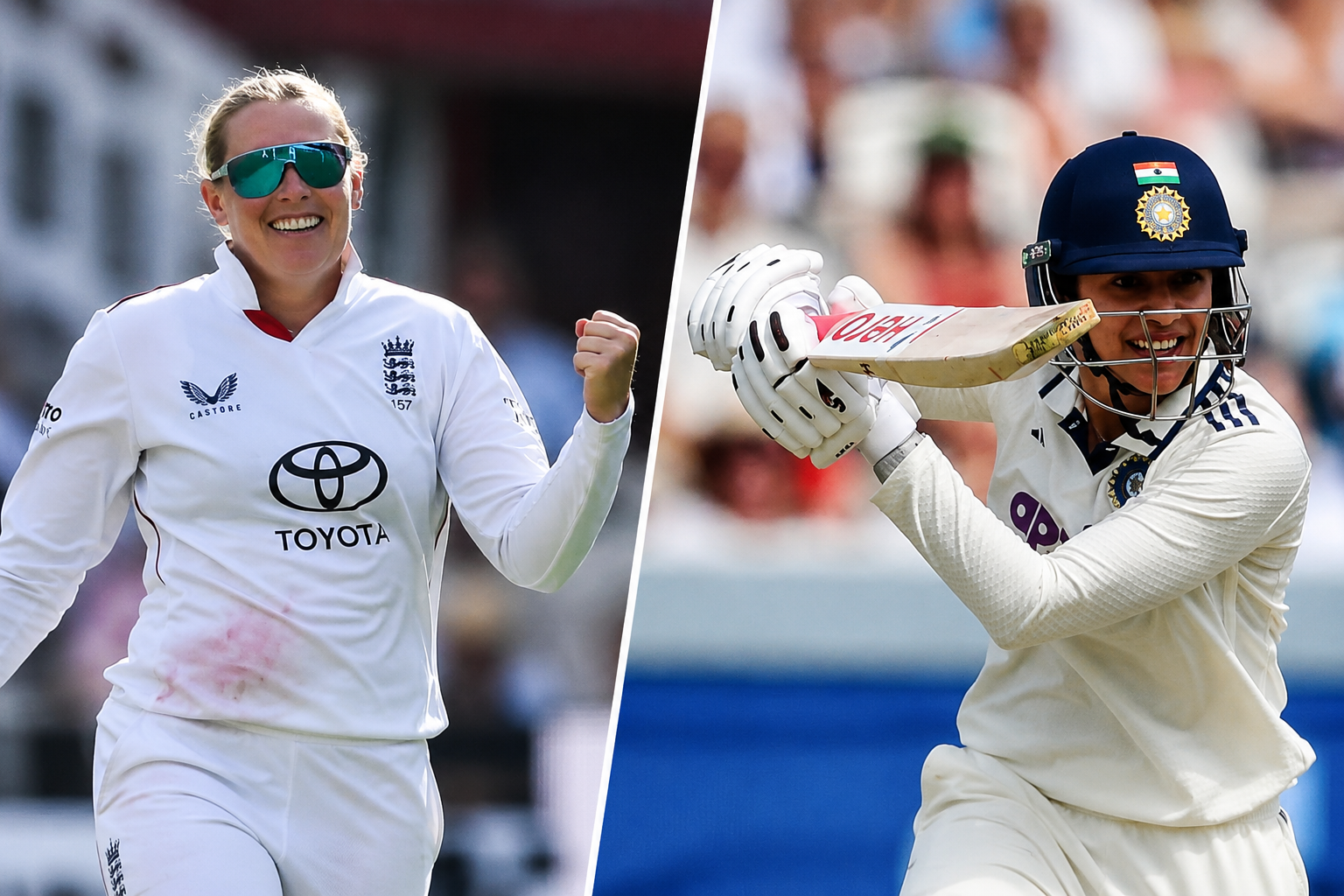

The "Home of Cricket" finally opened its gates for a Women’s Test match on July 10, 2026, marking a watershed moment for the international game. As we enter the second day of play today, July 11, the significance of this encounter between India and England transcends the scoreboard. For over a century, Lord’s has been the ultimate stage for the men’s game; now, it serves as the backdrop for a high-stakes battle that validates the growing stature of women’s multi-day cricket.
Breaking the Glass Ceiling at the Home of Cricket
The historic nature of this one-off Test was palpable from the moment the coin was tossed. England captain Heather Knight opted to bowl first, hoping to exploit the early conditions at the iconic venue. This match represents the first time in the history of the sport that a women’s Test has been hosted at Lord’s, a move long overdue according to analysts.
The atmosphere at the ground reflected the weight of the occasion. For the Indian side, the opportunity to play at Lord’s in the longest format is not just a fixture but a recognition of their status as a global powerhouse. This "historic first" is a signal of the changing tides in how cricket's governing bodies view the women’s red-ball game.
Mandhana and Deepti Lead the Indian Charge
India’s batting lineup, led by the clinical Smriti Mandhana, showed no signs of being overawed by the occasion. Mandhana was the standout performer on Day 1, hitting a historic unbeaten fifty to anchor the tourists' innings, as. Her composure at the crease provided the foundation for India to navigate the English bowling attack.
Supported by Deepti Sharma, Mandhana helped India assert control during the early sessions. The duo’s partnership was instrumental in pushing the visitors toward a competitive total. However, both Mandhana and Deepti were pivotal in powering the Indian side forward, ensuring that the "Home of Cricket" witnessed a masterclass in technical batting from the visiting side.
Ecclestone’s Record-Breaking Fightback
While India dominated the early exchanges, England’s Sophie Ecclestone ensured the hosts would not fall behind without a fight. In a performance that cemented her legacy, Ecclestone became England’s leading wicket-taker during the course of the day. Her ability to extract turn and bounce at Lord’s turned the tide in the final session.
Ecclestone’s breakthroughs led a spirited fightback that eventually saw India bowled out for 285. Her leadership with the ball was the defining feature of the afternoon, preventing India from batting England out of the game on the first day. The tourists’ total of 285 all out sets up a fascinating contest for Day 2, with the match hanging in a delicate balance.