
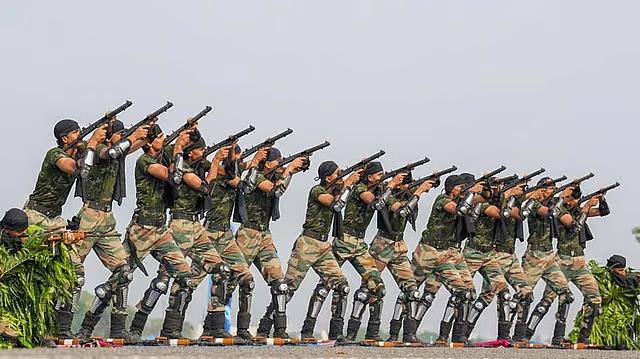

The Indian government has introduced a major structural revision to the Agnipath military recruitment framework. Under the updated guidelines, the service tenure for Agniveers has been extended from four years to six years.
Alongside this extension, the Chief of Defence Staff (CDS) highlighted that outgoing Agniveers will be provided expanded options for continuation, addressing core concerns regarding force continuity and professional futures within the armed forces.
Balancing Youth and Experience
The modification to the recruitment format directly responds to ongoing debates surrounding operational readiness and the retention of skilled personnel. According to reports, the armed forces maintain a critical need to preserve a careful balance between youthful vigor and seasoned military experience.
By extending the tour of duty by an additional two years, military leadership aims to capitalize on the advanced training imparted to recruits, allowing them to hone their technical and tactical proficiencies over a six-year period rather than a truncated four-year window.
Structure and Retention Dynamics
While the total duration has shifted, the fundamental architecture of the scheme continues to evolve to accommodate both personnel aspirations and institutional requirements. According to reports, the Centre has framed the adjustment as a "second tour of duty," providing pathways for eligible personnel to be absorbed into the broader framework of the armed forces.
Political reactions to the announcement have been varied. While governance analysts point to the policy refinement as a pragmatic response to initial implementation feedback, opposition voices have characterized elements of the structural changes as a positive adaptation for recruits.
Strategic Implications for Defence Planning
The policy tweak arrives at a crucial juncture for India's defense modernization and personnel management. Academic and strategic assessments, such as recent analyses on fiscal and structural trade-offs in defense budgeting, have consistently underscored the challenges of managing large exit cohorts under short-term service models.
By extending service terms to six years, the administration mitigates immediate turnover bottlenecks, ensuring that units retain combat-ready assets for a more sustainable duration. As the armed forces integrate these modifications, the focus shifts toward executing the transition smoothly for the upcoming batches entering their extended service windows.