
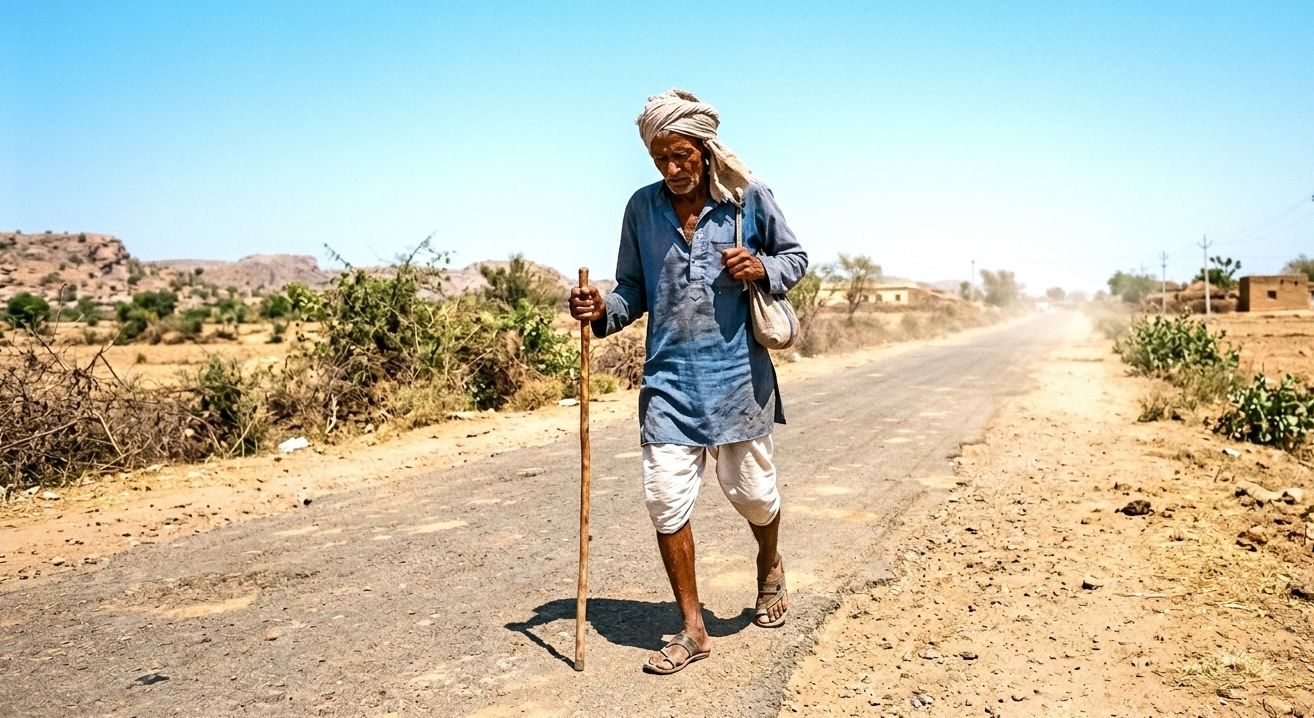

New Delhi: Global temperatures are likely to remain at or near historic highs over the next five years, with scientists warning that the world is moving deeper into an era of sustained climate disruption. A new assessment by the World Meteorological Organization (WMO) projects an 86% chance that at least one year between 2026 and 2030 will surpass 2024 as the warmest year ever recorded.
The warning comes amid growing concern that the temporary breach of the 1.5°C warming threshold — once considered a distant danger — is becoming increasingly frequent. Scientists now estimate a 91% chance that at least one year during the next five-year period will exceed 1.5°C above pre-industrial levels. The report also projects a 75% likelihood that the average temperature across the entire 2026-2030 period will remain above that mark.
The findings are contained in the Global Annual-to-Decadal Climate Update, produced by the UK Met Office on behalf of the WMO. The report combines forecasts from 13 international institutes and is regarded as one of the most authoritative assessments of near-term climate trends.
Annual global mean near-surface temperatures during 2026-2030 are expected to range between 1.3°C and 1.9°C above the 1850-1900 average. Scientists, however, stressed that temporary exceedances do not mean the goals of the Paris Agreement have formally collapsed, because those targets are measured over longer periods spanning roughly two decades.
“There is an El Niño predicted for the end of 2026, which increases the chances of the following year, 2027, being the next record-breaking year,” said Dr Leon Hermanson, lead author of the report. The projected return of El Niño conditions in the tropical Pacific is expected to add fresh momentum to already elevated global temperatures.
Arctic Warming Outpaces the Planet
The report identifies the Arctic as one of the fastest-changing regions on Earth, with temperatures there rising at a pace far exceeding the global average. Over the next five northern hemisphere winters, Arctic temperatures are forecast to remain about 2.8°C above the 1991-2020 average — more than three-and-a-half times the projected global mean anomaly for the same period.
Scientists also warned that shrinking sea ice is expected to continue across critical northern waters, including the Barents Sea, the Bering Sea and the Sea of Okhotsk. The loss of Arctic sea ice has become one of the clearest indicators of accelerating climate change, with implications for global weather systems, ocean circulation and biodiversity.
“Predictions of Arctic sea-ice for March 2026-2035 suggest further reductions in sea-ice concentration in the Barents Sea, Bering Sea, and Sea of Okhotsk.”
The report noted that confidence in forecasts of global mean temperatures remains high because climate models have shown strong performance in retrospective testing. Researchers said the consistency of warming trends across multiple forecasting centres has strengthened confidence in near-term projections.
“Confidence in forecasts of annually averaged global mean near-surface temperature is high since hindcasts show very high skill.”
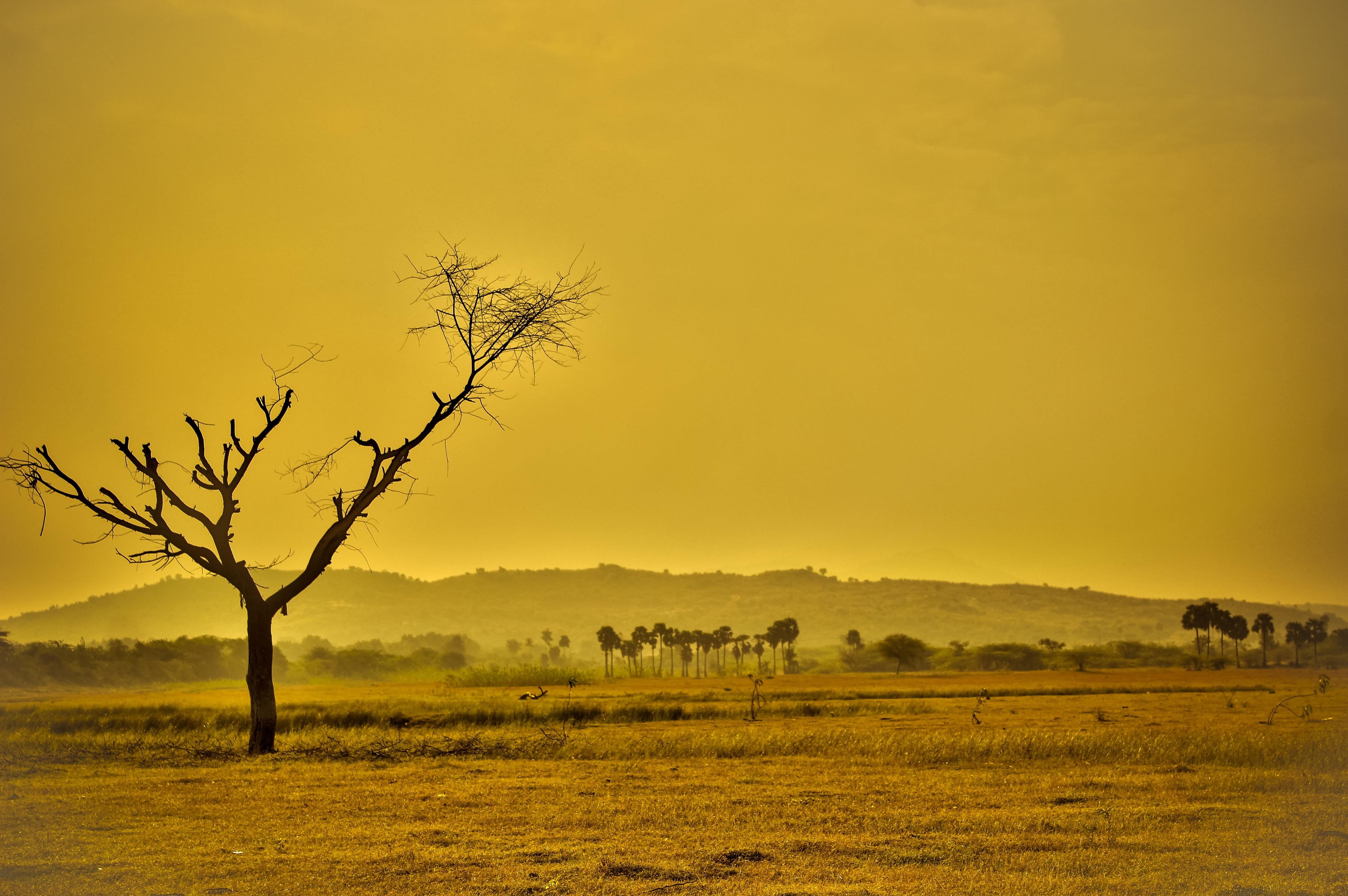
Climate scientists argue that the persistence of record temperatures reflects not only natural variability such as El Niño, but also the continued accumulation of greenhouse gases from fossil fuel use. (Photo: PickPic)
Rainfall Extremes to Intensify Across Regions
Beyond temperature records, the WMO assessment points to major shifts in rainfall patterns that could intensify floods, droughts and agricultural stress across several regions. Wetter-than-average conditions are expected across high northern latitudes, while many subtropical regions are projected to become drier — a pattern scientists say is consistent with a warming climate.
The report forecasts wetter conditions in the Sahel, northern Europe, Alaska and Siberia during the May-September season over the next five years. In contrast, the Amazon region is likely to experience drier conditions, raising concerns over ecosystem degradation and wildfire risks in one of the world’s most important carbon sinks.
“Precipitation predictions favour wetter than average conditions at high latitudes in the northern hemisphere for the next five extended winter seasons (November to March). The pattern of increased precipitation in the tropics and high latitudes compared to the 1991-2020 reference period, and reduced precipitation in the subtropics, particularly in the southern hemisphere, is consistent with expectations of a warming climate.”
The report also highlighted South-Eastern Europe as an example of growing climate variability. After years of unusually dry conditions following a prolonged wet period since 2009, forecasts now indicate a likely return of above-average precipitation during 2026-2030, though scientists cautioned that predictive skill for the region remains limited.
A Narrowing Window for Climate Action
The latest WMO assessment reinforces mounting scientific concern that global warming is no longer a future threat but an unfolding reality reshaping weather systems, ecosystems and economies. Although the report says it remains “exceptionally unlikely” — with less than a 1% probability — that any single year before 2030 will exceed 2°C of warming, scientists warned that every fraction of a degree now carries escalating risks.
The repeated breaching of the 1.5°C threshold, even temporarily, is expected to intensify political pressure ahead of future climate negotiations and sharpen scrutiny of national emission targets. Climate scientists argue that the persistence of record temperatures reflects not only natural variability such as El Niño, but also the continued accumulation of greenhouse gases from fossil fuel use.
The WMO said the forecasts are designed to guide regional climate centres and national meteorological agencies in planning for climate-related risks. But the report also serves as a stark reminder that the world is entering a period where record-breaking heat may no longer be exceptional — but routine.