
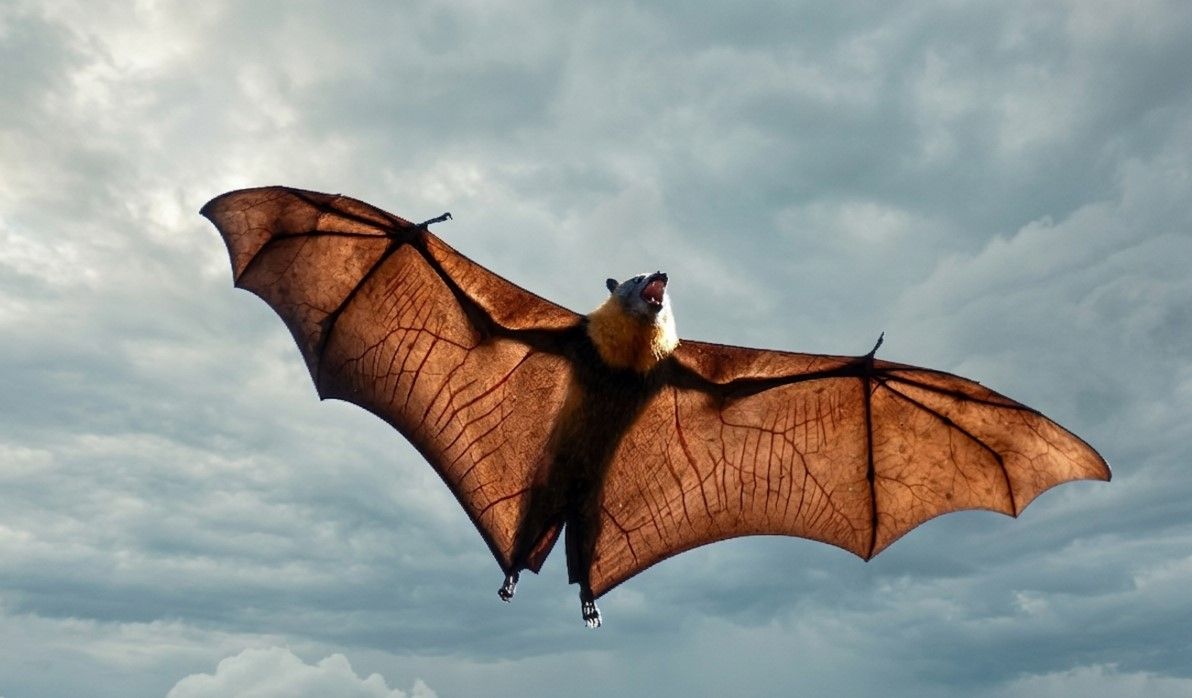

New Delhi: Bats are among the most important — and misunderstood — animals on Earth. Representing nearly a quarter of all mammal species, they quietly sustain ecosystems by pollinating plants, dispersing seeds, and consuming enormous numbers of insects each night. Entire agricultural systems benefit from their natural pest control. Yet bats are also known to harbour viruses that can infect humans, including rabies, Ebola, SARS, and Nipah virus. This unusual combination has made them both ecological heroes and potential sources of zoonotic diseases.
For decades, the typical response to bat-borne disease outbreaks involved attempts to eliminate bat populations through culling. Scientists now understand that this strategy not only harms ecosystems but can also worsen disease spread. When bat colonies are disturbed or destroyed, surviving bats disperse, mix with other colonies, and experience physiological stress that increases viral shedding. Instead of reducing risk, culling can unintentionally amplify it.
In response to this problem, researchers are exploring a radically different strategy: vaccinating wild bats in ways that require no capture, handling, or direct human intervention. In a study published in Science Advances, scientists from institutions including the Chinese Academy of Sciences have demonstrated a ground-breaking approach known as ‘ecological vaccination’. Using natural behaviours and environmental interactions to deliver vaccines directly to wildlife. The goal is simple but powerful: stop dangerous viruses at their animal reservoirs before they ever “spill over” into humans.
The most striking innovation in this work involves an unlikely participant in disease prevention: mosquitoes. Normally viewed as ‘vectors’ that spread pathogens, mosquitoes in this case become tools for delivering vaccines. The research team engineered a vaccine using recombinant vesicular stomatitis virus (rVSV), a virus capable of infecting both insects and mammals. This biological versatility allows it to act as a kind of ‘shuttle’, carrying vaccine components between species.
To create what the researchers describe as “flying pharmacists”, mosquitoes of the species Aedes aegypti were allowed to feed on blood containing the engineered vaccine. Once the mosquitoes had ingested the vaccine-laden blood, they effectively became tiny delivery systems. When these mosquitoes bit bats, the animals received a small dose of the vaccine. For insect-eating bats, a second route of vaccination also emerged: the bats could consume the mosquitoes themselves.
Laboratory tests revealed remarkable results. Bats exposed to these vaccine-carrying mosquitoes developed strong immune responses and were protected against lethal rabies infection. In controlled experiments, 100% of bats bitten by the vaccinated mosquitoes survived exposure to a deadly dose of the virus.
The findings suggest that natural insect-feeding behaviour could become a powerful pathway for immunizing bat populations without the need for human capture or injection.
Sodium ‘Trap’
While the mosquito approach works well for insectivorous bats, the researchers recognized that many bat species feed primarily on fruit or nectar. These bats, including several species linked to Nipah virus transmission, would not encounter mosquitoes frequently enough for the method to be effective. To address this challenge, the team turned to another fascinating aspect of bat biology: sodium hunger.
Like many animals, bats sometimes experience a nutritional craving for sodium and other minerals. In the wild they seek out mineral deposits, salty water, or natural salt licks to replenish these nutrients. The researchers designed a clever device that exploits this instinct. The system releases a fine mist containing salt particles, creating a scent that attracts bats searching for minerals. At the centre of the trap sits a small reservoir of saline solution infused with the vaccine.
When bats approach the device, they drink the salt-rich liquid and ingest the vaccine at the same time. This process effectively allows them to vaccinate themselves. During field tests conducted in a cave in Guangdong province, the researchers used a harmless chemical marker to determine whether bats were visiting the saline trap. Within just one week, evidence showed that 85% of the bats in the cave had consumed the solution.
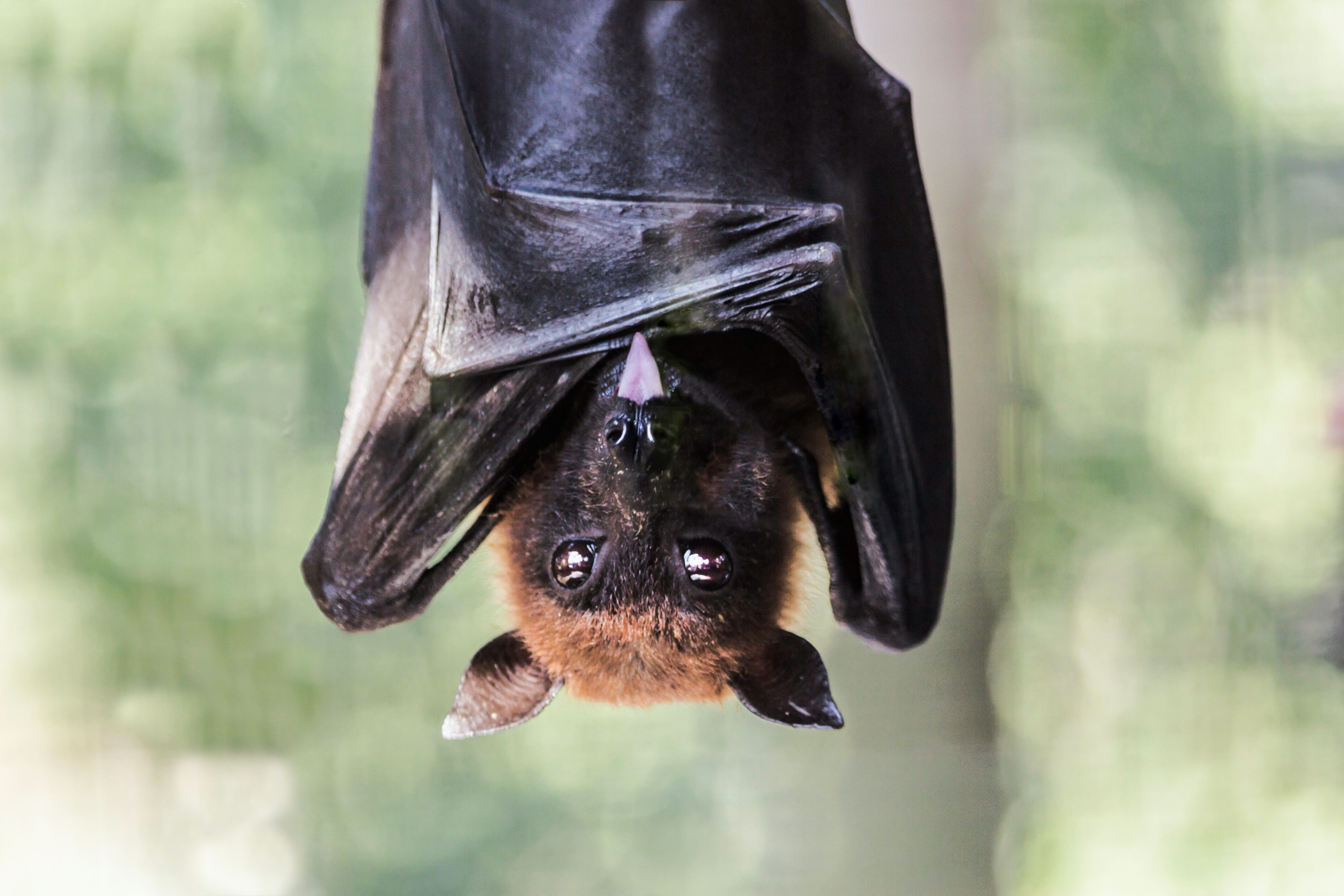
Safety is an important concern. A vaccine designed to spread uncontrollably between animals could create unintended ecological consequences. To prevent, the researchers engineered their vaccine to follow what they call a “limited spread” strategy. (Photo by Amr Miqdadi on Unsplash)
Experiments in the laboratory confirmed that oral exposure to the vaccine provided strong protection against rabies infection in both bats and mice. Together with the mosquito-based delivery method, the ‘saline trap’ offers a complementary system capable of reaching a wide range of bat species with different feeding habits.
Safety remains one of the most important concerns in any effort to introduce vaccines into wild ecosystems. A vaccine designed to spread uncontrollably between animals could create unintended ecological consequences. To prevent this possibility, the researchers engineered their vaccine to follow what they call a “limited spread” strategy. The modified virus cannot transmit from one bat to another, nor can it be passed from a mosquito to its offspring. In other words, the vaccine remains confined to the animals that directly encounter it through bites or ingestion.
The team also evaluated whether the vaccine might affect other animals. Tests conducted in pigs — livestock species that can serve as intermediate hosts for viruses such as Nipah — showed that the vaccine caused no illness and produced no significant viral shedding. These findings suggest that the vaccine system could operate safely even in regions where bats live close to human settlements and domestic animals.
The concept of vaccinating wildlife is not entirely new. Oral vaccine baits have long been used to control rabies in wild fox populations across parts of Europe and North America. What makes the bat strategy different is the level of ecological integration. Instead of distributing bait by hand or aircraft, the new system relies on existing behaviours within the ecosystem: mosquitoes feeding on blood, bats hunting insects, and animals seeking mineral sources.
If further research confirms the effectiveness of these techniques in larger and more diverse environments, ecological vaccination could become a powerful tool in the global effort to prevent future pandemics. Rather than confronting diseases only after they emerge in human populations, scientists would be intervening at the earliest possible stage—within the natural hosts themselves.
The hum of a mosquito or the faint mist of a salt-scented trap may represent something far larger than a clever scientific experiment. They may signal a new era in which conservation biology, ecology, and infectious disease research work together to safeguard both wildlife and humanity.
(Cover photo by Graham Holtshausen on Unsplash)