
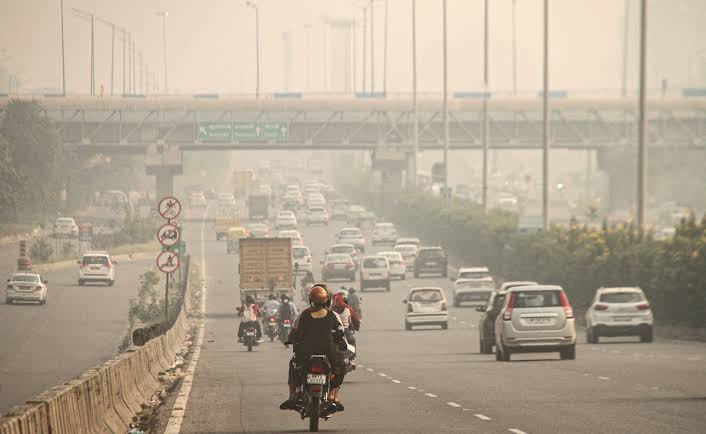

As India navigates the post-Diwali period, Delhi-NCR and multiple urban centers continue to battle hazardous air pollution. According to recent reports, Delhi's Air Quality Index (AQI) has risen to 350, with conditions remaining near 500 in certain areas as the region finds no reprieve following the festival.
Drivers of the Toxic Smog
The persistence of the severe smog crisis is fueled by a combination of persistent factors. Stubble burning and vehicular emissions continue to drive pollution levels aggressively across the National Capital Region. The combination of agricultural residue burning and heavy urban traffic creates a persistent atmospheric trap that leaves residents gasping.
Beyond the immediate environmental and visibility concerns, the public health implications of this prolonged exposure are severe. Toxic air significantly increases the risks of heart disease, brain disorders, and diabetes. Furthermore, discussions around the crisis have increasingly focused on the socio-economic dimensions of the emergency, including what Countercurrents terms a "class divide in India’s fight against air pollution."
A Nationwide Urban Challenge
While the capital region absorbs much of the media attention, the crisis is not restricted to the north. High pollution levels have also been recorded in other major urban hubs, including Mumbai, Kolkata, and Hyderabad, which have similarly logged elevated air pollution figures.
At the same time, regional disparities in air quality remain evident across the country. While northern urban pockets continue to record alarming numbers, reports indicate that several southern and western cities have reported comparatively better air quality conditions during the same tracking period.