
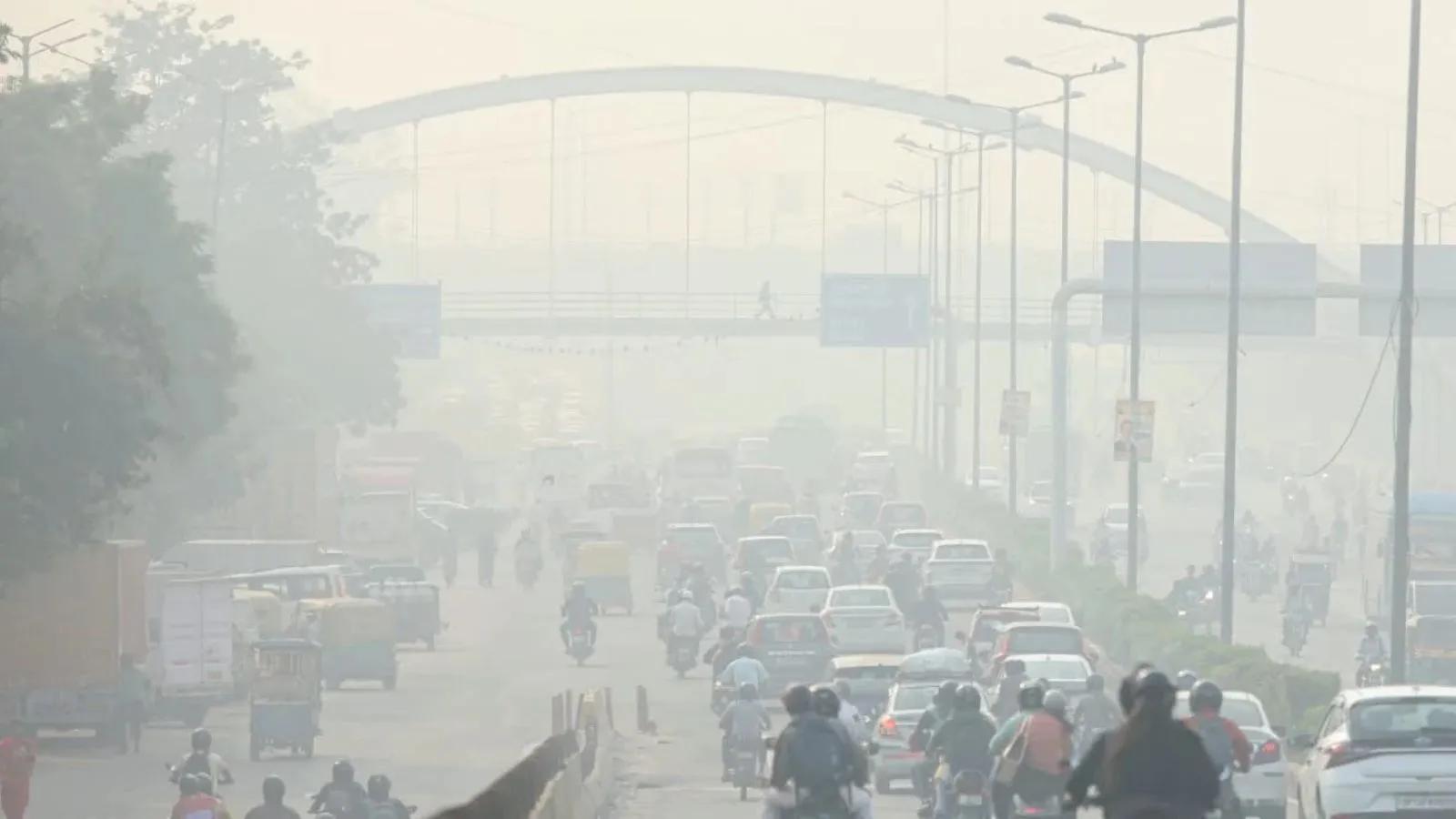

Delhi's air quality plunged to hazardous levels on Wednesday, with the Air Quality Index (AQI) crossing the 600 mark and touching 605 at 7:41 AM. The severe pollution crisis has choked the capital, forcing authorities to tighten Graded Response Action Plan (GRAP) curbs across the region.
The worsening environmental crisis has compounded commuter woes across the National Capital Region. As part of the heightened enforcement measures following the tightening of GRAP restrictions, authorities intensified vehicle checks at entry points, most notably impacting cross-border traffic.
Severe Pollution Chokes the Capital
The latest spike in pollution levels has pushed the city's air quality into extreme territory. According to reports, Delhi's AQI breached 600 early Wednesday morning, reflecting a severe air pollution crisis.
While long-term studies and academic literature consistently highlight how local sources, vehicular emissions, and transboundary factors compound the region's air quality challenges, the immediate trigger has led to emergency administrative responses.
Intensified Border Checks and Commuter Disruption
In response to the deteriorating environmental conditions and the implementation of stricter GRAP measures, security and traffic personnel have ramped up vehicle inspections at key transit corridors, including the Delhi-Gurgaon border.
Intensive police checking at these critical transit points has previously resulted in massive gridlocks, leaving commuters stranded for hours in heavy traffic jams, such as those witnessed at the Sirhaul border during prior enforcement drives. The combination of stringent vehicle screening protocols and heavy traffic management continues to test the patience of daily cross-border travelers.
Policy Measures and Outlook
The escalation in air pollution to severe brackets demands rigorous compliance with anti-pollution mandates. Authorities are leaning heavily on phased action frameworks like GRAP to restrict high-emission activities and curb vehicular contributions to the smog. However, balancing aggressive administrative checks with urban mobility remains a persistent challenge for regional governance.