
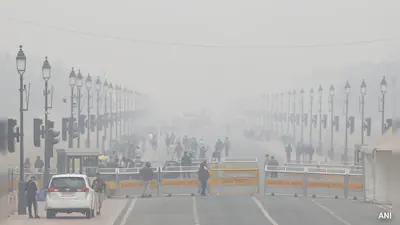

Delhi-NCR's air pollution crisis has deepened significantly, with multiple areas recording "severe" air quality levels as authorities scramble to contain the toxic haze. As of early November 2026, the deteriorating environmental conditions have prompted emergency responses from federal and regional regulatory bodies, centering heavily on agricultural practices in neighboring states.
According to recent reports, the Commission for Air Quality Management (CAQM) is actively ramping up its oversight and enforcement mechanisms to combat the spike in pollution.
Escalating Air Quality Crisis Across the Capital
The air quality index (AQI) across the National Capital Region has witnessed alarming spikes. Recent readings indicate that Delhi's overall AQI touched 482, with severe air pollution widely expected to persist across the region. Earlier readings from the week captured even higher peaks in localized zones, with certain areas touching a staggering AQI of 605. Meanwhile, additional data showed general figures lingering near 379, identifying Punjabi Bagh among the worst-hit areas.
CAQM Steps Up Interventions and Punjab Monitoring
In response to the hazardous conditions, the CAQM has intensified its operational footprint. The commission has dispatched a dedicated team directly to Bathinda and stepped up rigorous monitoring of Punjab to address the primary regional drivers of the pollution spike. This comes on the heels of the agency issuing direct notices to Punjab officials.
Union Environment Minister Bhupender Yadav emphasized that the CAQM is maintaining continuous monitoring of the situation and that all necessary steps are actively being taken to mitigate the crisis.
Outlook and Ongoing Challenges
The persistent severity of the air quality underlines the immense structural challenges facing northern India's seasonal pollution cycle. While regulatory bodies like the CAQM continue to press state-level machinery for compliance and stricter containment of stubble burning, the sheer intensity of the current atmospheric load demonstrates that enforcement remains an uphill battle. With severe air conditions forecasted to linger, pressure is mounting on authorities to translate monitoring efforts into tangible relief for millions of residents across the capital region.