
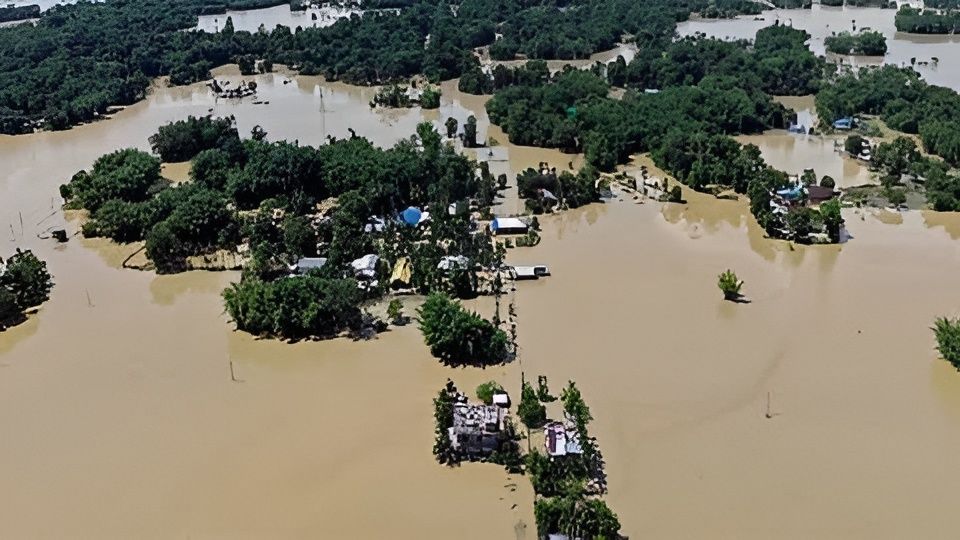

The flood crisis in Assam has reached a grim milestone as of July 31, 2026, with the death toll officially climbing to 78. As the monsoon fury continues to batter Northeast India, over 3 lakh residents remain displaced or severely affected. The India Meteorological Department (IMD) has further dampened hopes of immediate relief by issuing fresh alerts for heavy rainfall across the region, including neighboring states.
A Growing Humanitarian Crisis in the Brahmaputra Basin
The scale of the disaster is becoming increasingly apparent as reports filter in from across the state. According to reports, more than 3 lakh people are currently struggling with the consequences of the deluge. The rising waters have inundated homes, destroyed agricultural land, and forced thousands into relief camps.
The death toll, which reached 78 yesterday, highlights the lethal nature of this year's monsoon. While rescue operations are ongoing, the sheer volume of the affected population has placed an immense burden on local authorities. The situation remains critical for those still trapped in low-lying areas, where the threat of waterborne diseases and food shortages is a growing concern.
IMD Issues Regional Warnings for Arunachal and Nagaland
Weather experts are warning that the situation could deteriorate further. The IMD has issued a specific alert for heavy rainfall in Arunachal Pradesh and Nagaland, as well as continued downpours in Assam. Rainfall in these neighboring states is particularly dangerous for Assam, as the runoff flows directly into the already swollen Brahmaputra river system.
Reports say that "fresh alerts" have been issued as heavy rain triggers warnings across India. These meteorological signals suggest that the current weather pattern is locked in, potentially leading to a second wave of flooding in areas that were just beginning to see the water recede. The coordination of disaster management teams across state lines has become a top priority to manage the trans-border flow of floodwaters.
Climate Acceleration and Infrastructure Resilience
The recurring nature and increasing intensity of these floods have prompted experts to link the crisis to broader environmental changes. The climbing death toll is a direct consequence of an "accelerating climate crisis," which has made monsoon patterns more unpredictable and violent.
While the immediate priority is saving lives, the long-term strain on infrastructure is evident. Details on the specific number of houses destroyed or the total economic loss have not been reported yet, but the disruption to the lives of over 3 lakh citizens suggests a recovery period that could last months. The state's ability to withstand these increasingly frequent shocks is being tested to its limits.